Latest Jewellery Trends: Overview, Basics, Explanation and Helpful Resources
Jewellery has been an important part of human culture for thousands of years. From ancient civilizations to modern fashion industries, people have used jewelry to express identity, tradition, status, and personal style. Today, the concept of latest jewellery trends refers to evolving styles, materials, and design preferences that influence what people wear and how jewelry is created.
Modern jewelry design combines traditional craftsmanship with new technologies and materials. Designers often explore minimalist aesthetics, sustainable materials, and digital design techniques. As global fashion communication expands through social media and fashion platforms, jewelry trends can spread quickly across countries and cultures.
The study of jewellery trends falls within several fields including fashion design, luxury accessories research, gemstone knowledge, and precious metal analysis. Trends are influenced by cultural events, celebrity appearances, fashion weeks, and technological innovation. In addition, research in gemstone certification, jewelry authentication, and luxury fashion insights contributes to a broader understanding of the jewelry market.
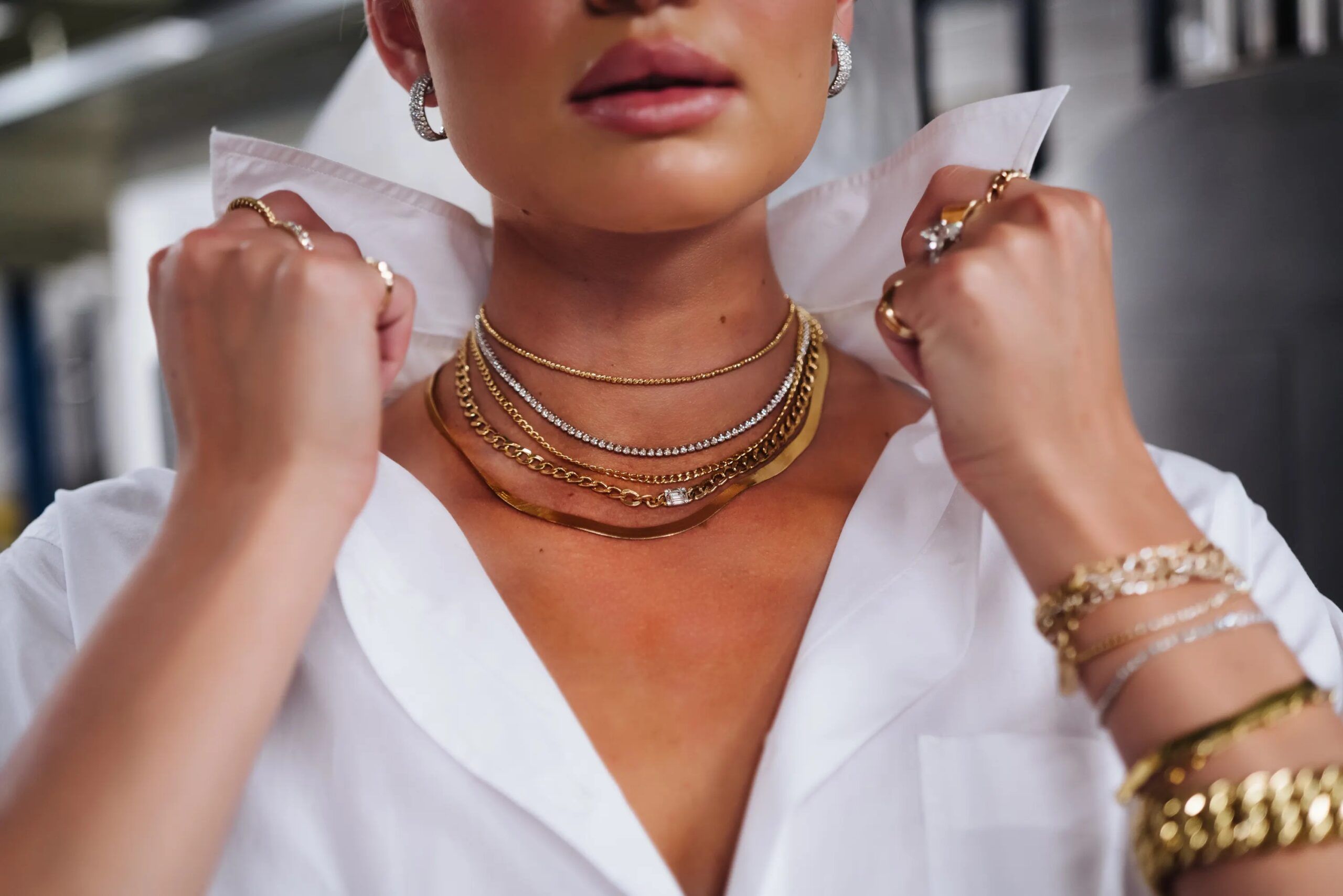
Today’s jewellery trends often highlight elements such as layered necklaces, sculptural earrings, personalized charms, and ethically sourced gemstones. These styles reflect changing consumer values that emphasize creativity, sustainability, and individuality.
Why Jewellery Trends Matter Today
Jewellery trends influence not only fashion choices but also broader aspects of the global luxury accessories industry. Designers, fashion analysts, and cultural researchers study these trends to understand shifts in style preferences and consumer behavior.
One reason this topic matters today is the growing importance of sustainable jewelry materials and ethical gemstone sourcing. Many individuals are now interested in the environmental and social impact of the jewelry industry. As a result, awareness of recycled metals, lab-created gemstones, and responsible mining practices has increased significantly.
Jewellery trends also affect several groups of people:
-
Fashion designers and jewelry designers who create new collections
-
Gemology researchers and certification laboratories studying gemstones
-
Fashion students and design learners exploring style development
-
Consumers interested in luxury accessories knowledge
-
Cultural historians researching ornament traditions
Another important aspect is how jewelry supports self-expression and identity. People use jewelry to reflect personality, heritage, or symbolic meaning. For example, zodiac charms, birthstone jewelry, and personalized pieces have become widely recognized expressions of personal identity.
Jewellery trends also help explain broader movements in fashion. When minimalism dominates clothing design, jewelry often follows with simple shapes and refined metals. When bold fashion emerges, statement jewelry typically becomes more visible.
The table below illustrates how different trend influences shape jewelry styles.
| Influence Category | Impact on Jewellery Trends | Example Trend |
|---|---|---|
| Fashion Industry | Alignment with clothing styles | Minimalist gold chains |
| Cultural Identity | Symbolic or heritage jewelry | Zodiac pendants |
| Technology | Advanced design methods | 3D-printed jewelry models |
| Sustainability | Environmentally conscious materials | Recycled metal jewelry |
| Social Media | Rapid global trend sharing | Layered necklace styles |
These influences demonstrate how jewelry trends evolve through multiple cultural and technological factors.
Recent Updates in Jewellery Trends
Over the past year, several developments have shaped modern jewelry trends. Fashion events, material innovation, and digital design tools have all contributed to new styles and concepts.
One notable development occurred during global fashion weeks in 2025, where designers emphasized sculptural metal designs and oversized earrings. These pieces combine artistic shapes with traditional metals such as gold, silver, and platinum. The designs focus on bold forms rather than intricate gemstone arrangements.
Another major trend observed during 2024–2025 jewelry exhibitions is the increased use of lab-created gemstones. These stones are developed using advanced technology that replicates natural gemstone structures. Researchers in gemology study their optical and chemical characteristics to ensure transparency in gemstone certification.
Digital technology has also influenced jewelry creation. Modern designers frequently use computer-aided design (CAD) and 3D modeling software to visualize complex shapes before manufacturing. These technologies allow designers to experiment with geometry, symmetry, and texture in ways that were difficult using traditional methods.
Recent jewelry trend observations include:
-
Layered necklaces with varying chain lengths
-
Chunky metal bracelets and cuffs
-
Sculptural earrings with abstract shapes
-
Personalized charms and birthstone pendants
-
Mixed metal combinations such as gold and silver
The chart below summarizes major jewelry trend categories observed in 2025.
| Jewellery Trend Category | Key Characteristics | Popular Materials |
|---|---|---|
| Minimalist Jewelry | Simple, delicate shapes | Gold, silver |
| Statement Jewelry | Bold, large designs | Mixed metals |
| Personalized Jewelry | Name or zodiac elements | Charms, birthstones |
| Sustainable Jewelry | Ethical materials | Recycled metals |
| Sculptural Jewelry | Artistic shapes | Polished metal |
Fashion researchers continue to monitor how these trends evolve as technology and cultural preferences change.
Laws, Policies, and Jewelry Regulations
Jewelry production and distribution are influenced by various rules and policies that ensure transparency, safety, and authenticity. Many countries maintain regulations related to precious metal purity, gemstone certification, and consumer information.
For example, in India, jewelry products made from gold and other precious metals are affected by hallmark certification programs regulated by the Bureau of Indian Standards (BIS). The hallmark indicates the purity of gold and helps ensure authenticity for consumers and researchers studying the jewelry market.
The BIS hallmark system includes important details such as:
-
Purity grade of the metal
-
Certification mark
-
Identification number for traceability
These standards help maintain consistency across the jewelry industry.
International trade regulations also influence jewelry trends. Organizations involved in diamond certification and gemstone evaluation contribute to transparency in gemstone markets. In addition, environmental regulations increasingly encourage responsible sourcing practices in mining and gemstone extraction.
Policies related to ethical sourcing and sustainability reporting have also gained attention in recent years. Governments and international organizations continue to encourage responsible mining practices and traceable supply chains.
These regulatory frameworks support a safer and more transparent environment for the global jewelry industry while helping maintain confidence in gemstone and precious metal authenticity.
Tools and Resources for Jewellery Knowledge
Many educational tools and digital resources help individuals learn about jewelry design, gemstone knowledge, and fashion trends. These resources are commonly used by students, researchers, and enthusiasts interested in understanding jewelry styles and materials.
Several types of tools can assist in exploring jewellery trends:
• Gemstone identification guides – Provide visual references for gemstones and mineral properties
• Jewelry design software – Helps designers create digital models and prototypes
• Metal purity charts – Explain differences between various precious metal grades
• Fashion trend analysis platforms – Track emerging fashion and jewelry trends
• Jewelry style templates – Assist in studying design patterns and structure
The table below highlights common tools used in jewelry research and design.
| Tool Type | Purpose | Example Use |
|---|---|---|
| CAD Design Software | Jewelry modeling | Ring and pendant design |
| Gemstone Databases | Mineral identification | Gemstone research |
| Trend Analysis Platforms | Fashion trend tracking | Jewelry style insights |
| Jewelry Sketch Templates | Design planning | Concept development |
| Metal Purity Charts | Understanding alloys | Gold purity reference |
Educational platforms, fashion publications, and jewelry design institutions also publish research reports and trend studies. These materials provide insights into gemstone grading, precious metal properties, and evolving jewelry aesthetics.
Frequently Asked Questions About Jewellery Trends
What are jewellery trends?
Jewellery trends refer to popular styles, materials, and design concepts that influence jewelry creation and fashion choices during a specific period. These trends often evolve through fashion events, cultural influences, and technological developments.
What materials are commonly used in modern jewelry?
Modern jewelry frequently uses precious metals such as gold, silver, and platinum. Designers also incorporate gemstones, pearls, and alternative materials such as recycled metals and lab-created gemstones.
How do jewelry designers identify new trends?
Designers study fashion shows, cultural influences, and global fashion publications. They also analyze consumer preferences, historical styles, and material innovations to identify emerging trends.
What is gemstone certification?
Gemstone certification is a process in which gemology laboratories analyze gemstones to determine authenticity, composition, and quality. Certification reports provide detailed information about gemstone characteristics.
Why are sustainable jewelry materials gaining attention?
Sustainable materials are gaining attention due to increased awareness about environmental impact and responsible sourcing. Many designers and researchers are exploring recycled metals and ethically sourced gemstones as alternatives.
Conclusion
Jewellery trends represent a fascinating intersection of fashion, culture, craftsmanship, and technology. As new materials and design techniques emerge, jewelry continues to evolve while maintaining connections to traditional artistry.
Today’s trends highlight minimalist aesthetics, sculptural designs, personalized elements, and sustainability awareness. These developments reflect broader shifts in fashion, environmental consciousness, and technological innovation.
Regulations such as hallmark certification and gemstone authentication also play an important role in maintaining transparency within the jewelry industry. Meanwhile, digital tools, educational resources, and trend analysis platforms continue to expand knowledge about jewelry design and materials.