Laser Eye Surgery Awareness: A Complete Guide to Basics, Facts, and Helpful Insights
Laser eye surgery awareness has increased as vision correction technologies continue to evolve. Many people experience common vision conditions such as nearsightedness, farsightedness, and astigmatism. These conditions affect how the eye focuses light on the retina, which can lead to blurred or unclear vision. Over time, medical research has developed techniques designed to reshape the cornea using precise laser technology.
Laser eye procedures are part of a broader field of ophthalmology that focuses on improving visual clarity through medical techniques rather than external aids such as glasses or contact lenses. The goal of these procedures is to adjust the cornea so that light entering the eye focuses more accurately.
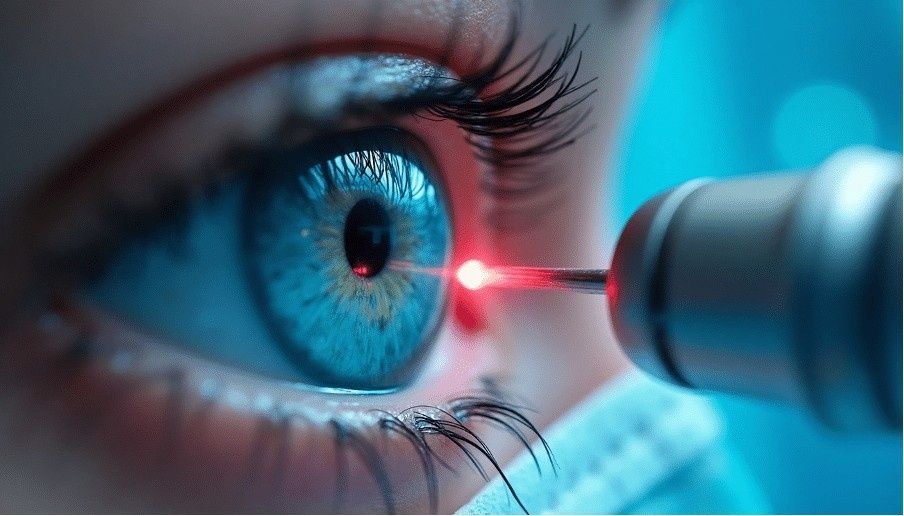
Several types of procedures are commonly discussed in educational materials, including LASIK, PRK, and SMILE. Each approach uses specialized laser technology to reshape the cornea in slightly different ways. Awareness about these procedures helps individuals understand how vision correction technologies work and what factors may influence their suitability.
Understanding the basics of laser eye surgery also encourages informed discussions with qualified eye-care professionals. Educational awareness helps people recognize potential benefits, possible limitations, and the importance of proper eye health evaluation before considering any medical procedure.
Why Laser Eye Surgery Awareness Matters
Vision health affects nearly every aspect of daily life, including reading, driving, digital device use, and workplace tasks. As a result, awareness about available medical options for vision correction has become an important topic for both healthcare professionals and the general public.
Several global trends have increased the relevance of this subject.
First, increased digital screen exposure has contributed to higher levels of eye strain and vision concerns. Many people spend extended hours using computers, smartphones, or tablets, which has raised awareness about eye care and long-term visual health.
Second, improvements in medical imaging and laser precision have made ophthalmic procedures more advanced than in earlier decades. Modern diagnostic systems can map the cornea in extremely detailed ways, helping clinicians evaluate eye structure and visual conditions more accurately.
Third, demographic factors also play a role. As populations age, interest in vision health and eye-care treatments grows. Some individuals explore medical vision correction as part of maintaining long-term visual comfort and independence.
Laser eye surgery awareness helps address several common questions people may have:
-
How laser vision correction works
-
Which vision conditions it may address
-
How eye examinations determine eligibility
-
What safety considerations exist
-
What recovery experiences are typically discussed in medical literature
Educational information supports informed decision-making and helps individuals understand both the possibilities and limitations of modern ophthalmic procedures.
Recent Developments and Trends in Vision Correction
Advancements in ophthalmology research and medical technology continue to shape discussions about laser eye surgery.
In recent years, several developments have attracted attention within medical and research communities.
Improved diagnostic imaging systems
Modern eye-mapping technologies allow clinicians to analyze the shape and thickness of the cornea in greater detail. High-resolution corneal topography and wavefront analysis help create personalized treatment planning for vision correction procedures.
Expansion of minimally invasive techniques
Newer laser procedures are designed to reduce disruption to corneal tissue compared with earlier methods. These approaches aim to improve patient comfort and recovery experiences.
Artificial intelligence in eye diagnostics
AI-assisted analysis tools are increasingly being explored to assist ophthalmologists in identifying patterns within eye imaging data. These systems may help enhance diagnostic precision during pre-procedure evaluations.
Increased focus on patient education
Healthcare organizations and professional ophthalmology associations have expanded public awareness initiatives that explain how vision correction procedures work and who may be eligible for them.
The following table highlights common laser eye surgery techniques discussed in educational resources.
| Procedure Type | Key Concept | General Description |
|---|---|---|
| LASIK | Corneal flap method | Uses a laser to reshape the cornea beneath a thin flap |
| PRK | Surface reshaping | Removes the outer corneal layer before reshaping |
| SMILE | Small incision technique | Uses a small incision to remove a tiny corneal lens |
Research publications and clinical discussions continue to explore how these methods evolve alongside new diagnostic technologies.
Regulations, Medical Standards, and Safety Oversight
Medical procedures involving laser technology are generally subject to strict safety standards and regulatory oversight. Ophthalmic lasers and surgical devices must meet clinical safety requirements before they are approved for medical use.
Healthcare authorities and medical device regulatory bodies typically review several factors before approving such technologies, including:
-
Clinical trial data
-
Safety and performance testing
-
Quality control standards for manufacturing
-
Training requirements for medical professionals
Professional ophthalmology organizations also publish guidelines for eye-care practitioners. These guidelines help ensure that patient evaluations, surgical procedures, and follow-up care meet recognized medical standards.
Another important element involves patient eligibility assessments. Before discussing any surgical option, eye-care professionals typically conduct detailed examinations that may include:
-
Corneal thickness measurement
-
Vision stability assessment
-
Eye health evaluation
-
Screening for certain medical conditions
These evaluations help determine whether a particular procedure is medically appropriate. Awareness of these safeguards helps highlight the importance of professional medical assessment rather than self-diagnosis.
Helpful Tools, Educational Platforms, and Resources
Several digital tools and informational resources can help individuals learn more about vision health and laser eye surgery topics. These resources are commonly used for educational purposes and general eye-care awareness.
Some helpful tools include:
Online vision simulators
Interactive simulations help demonstrate how different vision conditions affect visual clarity. These tools can illustrate how nearsightedness or astigmatism changes the way images appear.
Corneal mapping visualization tools
Educational platforms often display examples of corneal topography maps. These visualizations help explain how eye-care professionals analyze corneal shape.
Eye health awareness websites
Medical organizations and ophthalmology associations publish articles, diagrams, and educational guides about vision correction technologies.
Vision assessment calculators
Some educational websites provide tools that explain refractive error measurements and how they relate to common prescription values.
The table below highlights examples of informational resources used for learning about eye health.
| Resource Type | Purpose | Educational Value |
|---|---|---|
| Eye health websites | General information on vision care | Helps explain conditions and treatments |
| Vision simulation tools | Demonstrate visual conditions | Visual understanding of refractive errors |
| Ophthalmology research journals | Clinical studies and findings | Provides scientific insights |
| Eye anatomy diagrams | Educational visuals | Explains eye structure and function |
These resources can support a deeper understanding of how eye-care technologies and procedures are studied and explained.
Frequently Asked Questions
What is laser eye surgery?
Laser eye surgery refers to medical procedures that use specialized lasers to reshape the cornea. The goal is to improve how light focuses on the retina, which can help correct certain vision conditions.
Which vision conditions are commonly discussed in relation to laser procedures?
Educational resources often mention nearsightedness (myopia), farsightedness (hyperopia), and astigmatism. These conditions affect how light is focused inside the eye.
How do doctors determine whether someone may be eligible for a procedure?
Eligibility is typically assessed through detailed eye examinations. Eye-care professionals evaluate corneal thickness, vision stability, eye health, and other medical factors.
Are laser eye procedures considered permanent?
Laser procedures reshape the cornea permanently, but natural changes in vision may still occur over time. For example, age-related vision changes can develop later in life.
How long does recovery usually take?
Recovery experiences vary depending on the type of procedure and individual healing patterns. Some procedures are associated with relatively quick visual stabilization, while others may require longer recovery periods.
Conclusion
Laser eye surgery awareness plays an important role in helping people understand modern approaches to vision correction. Advances in ophthalmology, diagnostic imaging, and laser technology have expanded discussions about how vision conditions can be addressed through medical procedures.
Educational awareness helps individuals learn about how these procedures work, what factors influence eligibility, and why thorough medical evaluation is essential. Understanding the basics also encourages informed conversations with qualified eye-care professionals and supports responsible decision-making regarding eye health.
Disclaimer: The information provided in this article is for informational purposes only. We do not make any claims or guarantees regarding the accuracy, reliability, or completeness of the information presented. The content is not intended as professional advice and should not be relied upon as such. Readers are encouraged to conduct their own research and consult with appropriate professionals before making any decisions based on the information provided in this article