Landfill Compactors Explained: Learn Facts, Details, Knowledge & Overview
Landfill compactors are heavy-duty machines designed to compress waste materials in landfill sites. Their main function is to reduce the volume of solid waste by applying significant pressure, making it more manageable and allowing more waste to be stored in a limited area. These machines typically use large steel wheels equipped with spikes or cleats that crush and compact waste effectively.
Landfills exist as controlled environments for waste disposal, where garbage is layered, compacted, and covered. Without compaction, waste would occupy excessive space, leading to faster landfill saturation and environmental risks. Landfill compactors help maintain organized waste layers, improve stability, and support efficient landfill operations.
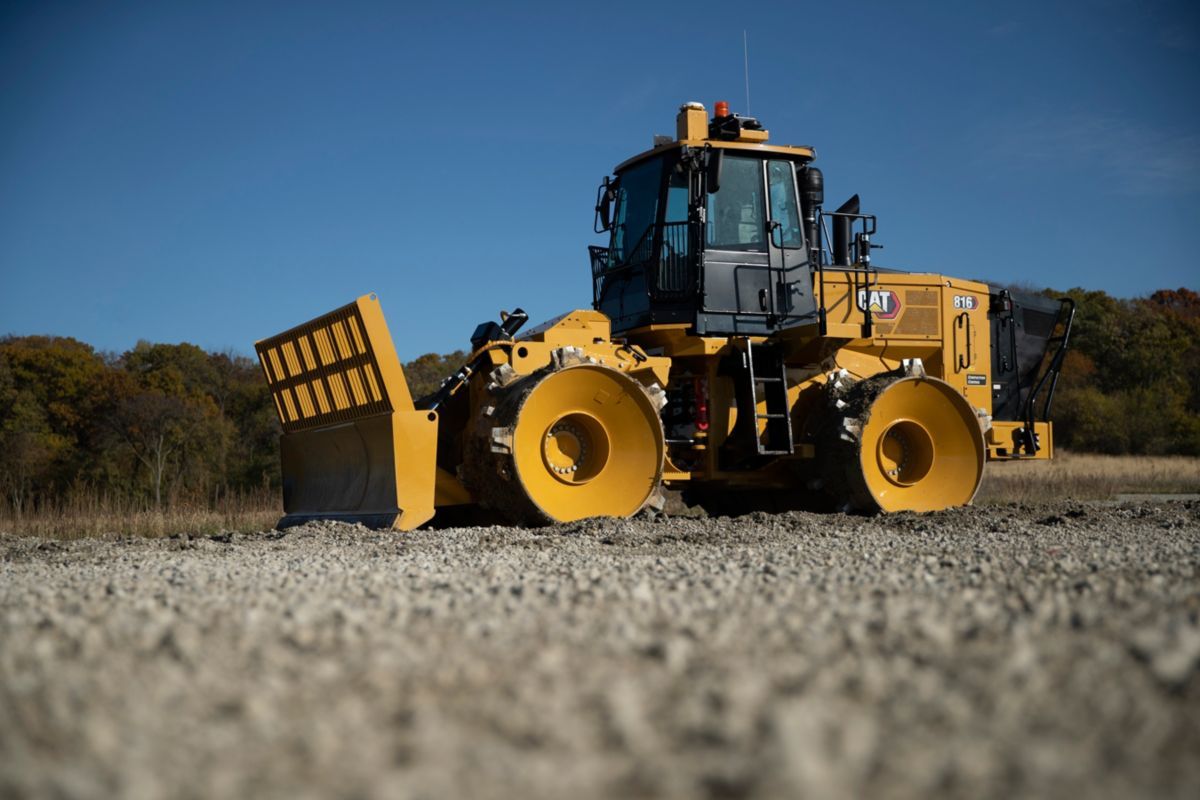
In simple terms, these machines play a key role in waste management systems by transforming loose waste into dense, stable layers. This process helps extend landfill life and improves site safety.
Importance – Why Landfill Compactors Matter
Efficient waste management is a growing concern due to increasing urbanization and industrial activity. Landfill compactors are essential because they directly address challenges related to waste volume, environmental impact, and operational efficiency.
They affect several groups, including:
-
Municipal waste management authorities
-
Environmental agencies
-
Construction and industrial sectors
-
Local communities near landfill sites
Key problems they help solve include:
-
Space optimization: Compacted waste takes up less space, allowing landfills to operate longer.
-
Environmental protection: Reduces air pockets, limiting methane gas emissions and fire risks.
-
Improved stability: Creates firm layers that reduce the risk of landslides or uneven surfaces.
-
Operational efficiency: Enables better waste layering and covering practices.
Below is a simple comparison of compacted vs non-compacted waste:
| Factor | Compacted Waste | Non-Compacted Waste |
|---|---|---|
| Space Usage | Low | High |
| Stability | High | Low |
| Gas Emission Risk | Reduced | Higher |
| Landfill Lifespan | Extended | Shorter |
As environmental awareness grows, landfill compactors are becoming more important in sustainable waste management practices.
Recent Updates – Trends and Developments
Recent developments in landfill compactor technology reflect a shift toward efficiency, automation, and environmental monitoring. Manufacturers and waste management operators are focusing on smarter systems that improve performance and reduce environmental impact.
Key trends include:
-
Telematics integration: Modern compactors now include GPS tracking and performance monitoring systems. These tools help track fuel usage, machine efficiency, and maintenance needs.
-
Automation features: Some models are equipped with semi-autonomous controls that optimize compaction patterns and reduce operator error.
-
Improved fuel efficiency: Newer engines and hydraulic systems are designed to consume less fuel while maintaining high compaction force.
-
Emission control technologies: Machines are being designed to comply with stricter environmental standards by reducing exhaust emissions.
-
Data-driven landfill management: Operators use analytics tools to measure compaction density and predict landfill capacity more accurately.
A simplified trend overview:
| Trend Area | Description |
|---|---|
| Smart Monitoring | Real-time data tracking and diagnostics |
| Automation | Reduced manual intervention |
| Sustainability Focus | Lower emissions and better energy efficiency |
| Predictive Maintenance | Early detection of machine issues |
These updates highlight how landfill compactors are evolving alongside broader environmental and technological changes.
Laws or Policies – Regulatory Influence
Landfill compactors operate within a framework of environmental regulations and waste management policies. These rules are designed to ensure safe disposal practices and minimize environmental harm.
Key regulatory aspects include:
-
Waste compaction standards: Guidelines often specify how waste should be compacted and layered to maintain landfill integrity.
-
Emission regulations: Machinery must meet emission limits to reduce air pollution.
-
Safety standards: Operators must follow safety protocols to prevent accidents during compaction operations.
-
Environmental monitoring requirements: Landfills must track gas emissions, leachate levels, and overall site conditions.
Government programs and policies often emphasize:
-
Reducing landfill dependency
-
Encouraging recycling and waste segregation
-
Improving landfill efficiency through better equipment
Compliance with these regulations ensures that landfill compactors contribute to safe and environmentally responsible waste management systems.
Tools and Resources – Helpful Solutions for Understanding and Use
Several tools and resources can support better understanding and management of landfill compaction processes. These tools are often used by engineers, operators, and environmental planners.
Useful resources include:
-
Waste volume calculators: Estimate how much space waste will occupy after compaction.
-
Compaction ratio tools: Help determine efficiency levels of compaction processes.
-
Fleet management software: Tracks machine performance, maintenance schedules, and operational data.
-
Environmental monitoring platforms: Measure gas emissions and landfill conditions.
-
Geographic Information Systems (GIS): Map landfill areas and track waste distribution.
Examples of digital tools:
-
Machine telematics dashboards
-
Data analytics platforms for landfill capacity planning
-
Maintenance tracking systems
These resources help improve accuracy, efficiency, and decision-making in landfill operations.
FAQs – Common Questions Answered
What is a landfill compactor used for?
A landfill compactor is used to compress waste materials in landfill sites, reducing their volume and improving site stability.
How does a landfill compactor work?
It uses heavy steel wheels with spikes to crush and compact waste layers, removing air pockets and increasing density.
Why is compaction important in landfills?
Compaction helps save space, reduces environmental risks, and extends the operational life of landfill sites.
What types of waste can be compacted?
Most municipal solid waste, including household garbage and some industrial waste, can be compacted.
Are landfill compactors environmentally friendly?
They support environmental goals by reducing landfill size and emissions, especially when combined with modern low-emission technologies.
Conclusion
Landfill compactors are a critical component of modern waste management systems. By reducing waste volume, improving landfill stability, and supporting environmental protection efforts, these machines play an essential role in managing growing amounts of solid waste.
As technology continues to evolve, landfill compactors are becoming more efficient, data-driven, and environmentally conscious. Understanding how they work and why they matter provides valuable insight into the broader challenges and solutions in waste management.