Jackhammers Overview: Guide, Facts, Safety Insights and Industrial Equipment Knowledge
Jackhammers are powerful mechanical tools designed to break hard materials such as concrete, asphalt, rock, and stone. They are commonly used in construction, road maintenance, demolition, mining, and infrastructure development. A jackhammer operates through a rapid hammering motion generated by compressed air, electricity, or hydraulic pressure, which repeatedly drives a chisel-like tool into a surface.
Historically, manual labor and simple hand tools were used to break solid materials. As urban construction and infrastructure projects expanded during the late nineteenth and early twentieth centuries, more efficient methods became necessary. This need led to the development of pneumatic tools, including early jackhammer models that significantly improved productivity.
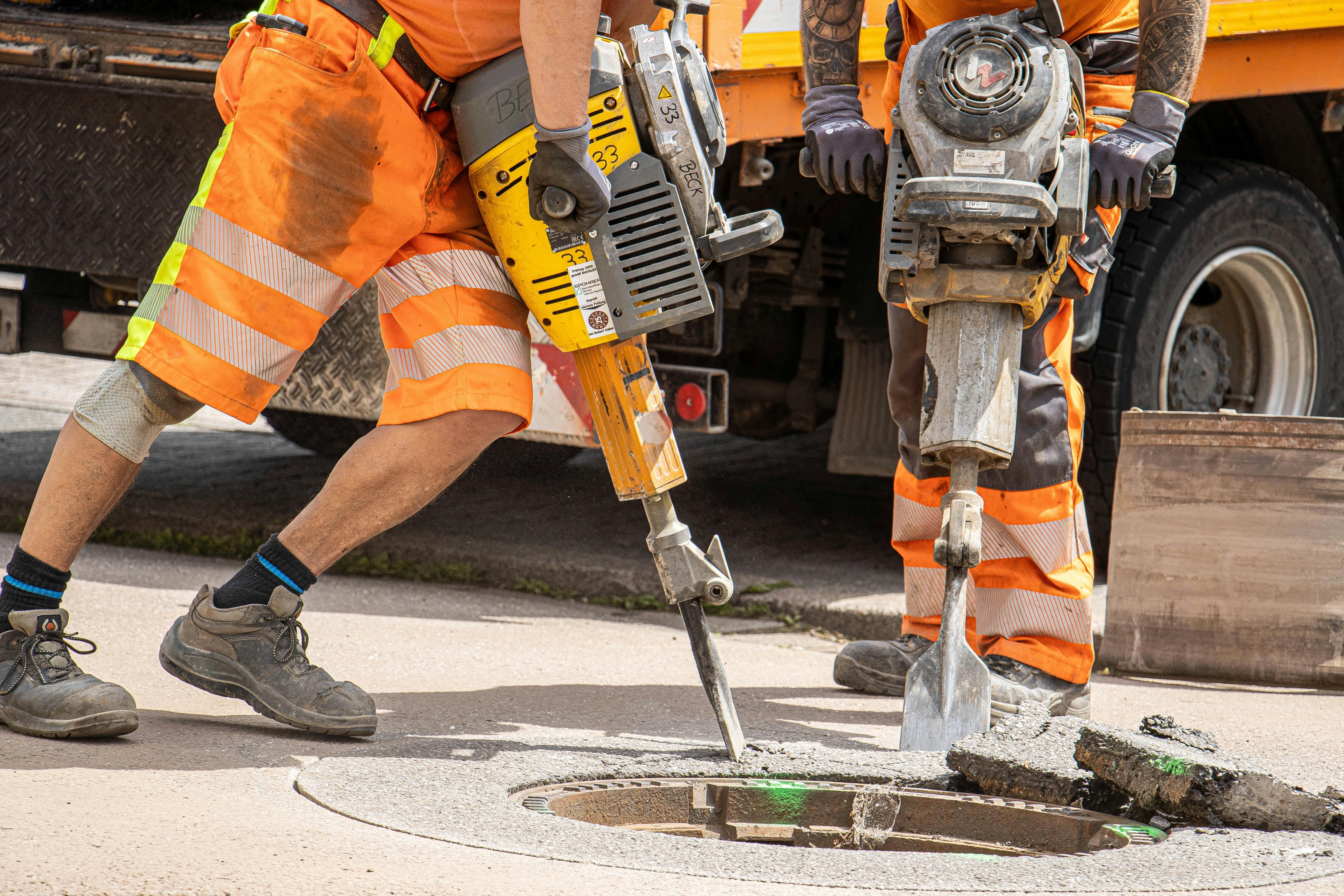
Modern jackhammers vary in size and power depending on their intended application. Some models are handheld and portable, while others are mounted on heavy machinery such as excavators. These machines are widely recognized as essential equipment in civil engineering projects, road construction, building demolition, and underground utility work.
The topic of jackhammers is often discussed within the broader context of construction machinery, industrial equipment technology, heavy-duty power tools, and infrastructure maintenance tools. Understanding how these tools function and where they are used helps explain their continued relevance in modern industrial and engineering environments.
Why Jackhammers Matter in Modern Construction and Infrastructure
Jackhammers play an important role in modern infrastructure development. Cities and communities require continuous maintenance of roads, bridges, underground utilities, and buildings. Breaking through concrete and rock efficiently is necessary for installing pipelines, repairing road surfaces, and preparing foundations for new structures.
Several industries rely heavily on jackhammer technology, including:
-
Construction and building development
-
Road and highway maintenance
-
Mining and quarry operations
-
Public infrastructure repair
-
Utility installation projects
These machines help reduce the amount of manual labor required for demanding demolition tasks. By automating repetitive impact motions, jackhammers allow workers to complete projects more efficiently while maintaining precision.
Jackhammers also contribute to solving several practical challenges:
-
Breaking hardened surfaces for infrastructure upgrades
-
Removing damaged concrete sections in road repair
-
Preparing foundation sites in construction projects
-
Accessing underground pipes, cables, or drainage systems
In regions experiencing rapid urban development, such as many parts of Asia and the Middle East, the use of heavy construction tools continues to expand. Increased investment in transportation networks, smart cities, and urban infrastructure has contributed to a rising focus on efficient construction equipment.
From an engineering perspective, jackhammers represent a key category within industrial construction tools, demolition equipment technology, and heavy machinery systems used worldwide.
Recent Developments and Technology Trends
Over the past year, several developments have influenced how jackhammers are designed and used in construction and engineering environments. Advances in power tool engineering, worker safety standards, and noise reduction technology have shaped the evolution of modern equipment.
Recent trends observed during 2024–2025 include:
• Battery-powered industrial jackhammers
Manufacturers have introduced high-capacity lithium battery systems designed for cordless construction tools. These designs aim to reduce reliance on air compressors and power cables.
• Vibration control systems
New models include advanced vibration dampening mechanisms that reduce strain on operators during extended use. This technology is linked to improved occupational safety practices.
• Noise reduction technology
Urban construction zones increasingly require quieter machinery. Some jackhammer designs now incorporate acoustic insulation and improved mechanical damping.
• Smart monitoring features
Certain heavy machinery platforms integrate sensors that track tool performance, maintenance intervals, and usage patterns through connected construction management systems.
• Hydraulic attachments for excavators
Many demolition and road repair projects now rely on hydraulic breaker attachments installed on excavators, offering increased power and efficiency for large-scale operations.
Industry reports published in 2025 by global construction equipment associations highlight growing interest in sustainable construction practices, which include more energy-efficient power tools and improved durability.
Regulations and Policies Related to Jackhammer Use
Because jackhammers produce high levels of vibration, noise, and airborne debris, their operation is regulated by workplace safety standards in many countries. Government agencies and regulatory organizations establish guidelines to protect workers and nearby communities.
Common areas covered by these policies include:
-
Occupational safety requirements
-
Noise exposure limits
-
vibration exposure guidelines
-
construction site safety practices
-
equipment maintenance standards
In India, workplace safety practices in construction activities are influenced by several regulatory frameworks. These include occupational health regulations and infrastructure safety guidelines monitored by government authorities and labor departments.
Key policy areas relevant to jackhammer operation often involve:
| Policy Area | Purpose |
|---|---|
| Occupational Safety Standards | Protect workers from injuries and hazards |
| Noise Control Regulations | Limit environmental noise pollution |
| Construction Safety Guidelines | Ensure safe handling of heavy tools |
| Industrial Equipment Maintenance Rules | Promote safe equipment operation |
Operators are typically trained to use protective gear such as:
-
Safety helmets
-
Hearing protection
-
Protective gloves
-
Dust masks or respirators
-
Steel-toe footwear
These precautions are important because long-term exposure to vibration or noise can affect worker health. Regulations encourage proper training, equipment inspection, and safe operation practices.
Useful Tools and Digital Resources for Learning About Jackhammers
Many online tools and educational resources help students, engineers, construction professionals, and researchers understand jackhammer technology and industrial machinery.
Some helpful resources include:
Educational websites and technical databases
-
Construction engineering research portals
-
machinery safety guideline repositories
-
industrial equipment knowledge platforms
Training and safety platforms
-
workplace safety training portals
-
occupational health learning systems
-
heavy equipment certification resources
Engineering calculation tools
These tools assist professionals with project planning and equipment selection:
| Tool Type | Purpose |
|---|---|
| Vibration Exposure Calculators | Evaluate safe exposure levels |
| Noise Level Estimators | Measure sound levels at construction sites |
| Construction Productivity Calculators | Estimate demolition time |
| Equipment Maintenance Trackers | Monitor tool usage and service intervals |
Digital applications used in construction environments
-
Project planning software
-
Site safety monitoring platforms
-
equipment tracking systems
-
construction management dashboards
These resources support better planning, safer operations, and improved project efficiency across infrastructure and engineering projects.
Frequently Asked Questions About Jackhammers
What is the primary function of a jackhammer?
A jackhammer is designed to break hard surfaces such as concrete, asphalt, or rock. It uses rapid impact motion to fracture solid materials, making it useful in demolition and infrastructure repair work.
What types of jackhammers exist?
Common categories include pneumatic jackhammers powered by compressed air, electric jackhammers powered by electricity, and hydraulic breakers often attached to heavy construction machinery.
Why are vibration control features important in jackhammers?
Continuous vibration can cause fatigue or health issues for operators. Modern jackhammer designs include vibration reduction systems to improve safety and comfort during extended use.
Where are jackhammers most commonly used?
They are frequently used in construction sites, road repair projects, mining operations, infrastructure maintenance tasks, and utility installation work.
How does a hydraulic breaker differ from a handheld jackhammer?
Hydraulic breakers are large attachments mounted on heavy equipment like excavators. They deliver stronger impact forces and are typically used for large-scale demolition tasks.
Key Information Table: Jackhammer Types and Applications
| Jackhammer Type | Power Source | Typical Use |
|---|---|---|
| Pneumatic Jackhammer | Compressed Air | Road repair and general demolition |
| Electric Jackhammer | Electric Motor | Building renovation and indoor work |
| Hydraulic Breaker | Hydraulic System | Heavy demolition and quarry operations |
| Battery-Powered Jackhammer | Lithium Battery | Portable construction tasks |
Conclusion
Jackhammers remain one of the most recognizable and widely used tools in construction and demolition work. Their ability to efficiently break concrete, asphalt, and rock has made them essential in infrastructure development, building renovation, and industrial engineering projects.
The evolution of jackhammer technology reflects broader changes within the construction equipment industry. Recent developments such as battery-powered systems, vibration reduction technology, and smart monitoring features demonstrate how engineering innovations continue to improve tool performance and operator safety.