Internet of Things (IoT) in Smart Homes and Cities: Trends, Tools, and Insights
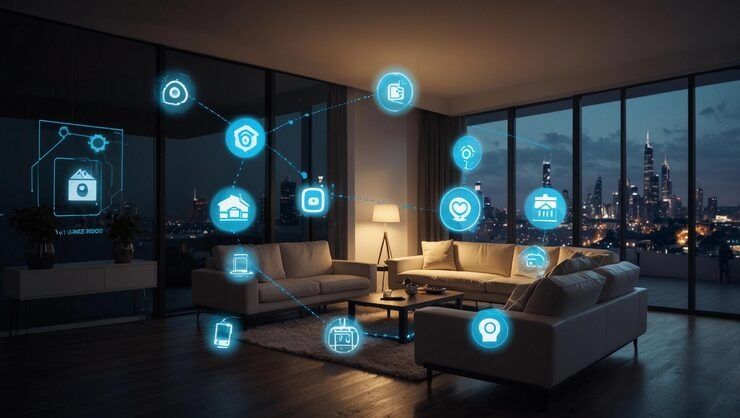
Internet of Things (IoT) refers to a network of physical devices - such as sensors, equipment and infrastructure - which connects to the Internet, shares data and interact with people or systems. In smart homes it can be autonomous to adjust the temperature; Large scale, in smart cities, may be sensors that control traffic flows or monitor air quality
This idea exists because technology is advanced to make the sensor, connection and data analysis cheap and widely available. This combination makes it possible to improve comfort at home and solve urban challenges on a scale.
Importance – Why It Matters, Who It Affects, and What Problems It Solves
Why It Matters
- Urban development: Cities are becoming large and more complex. IoT helps to handle traffic, pollution and energy.
- Smart Living: Homeowners want practically, safe and efficient environment.
- Stability: IoT reduces energy waste and supports using renewable energy.
- In real -time decision -making: The data collected through IoT helps both individuals and officers work quickly.
Who It Affects
- Homeowner and family
- Urban planners and local authorities
- Tools provider and infrastructure developers
- Business in construction, technology and energy
- Everyday citizens who are dependent on services in the city
Problems It Solves
- Traffic overload: Smart traffic lights and connected vehicles reduce jams.
- Use of high energy: Smart online balance demand and prevents waste.
- Public security concerns: Connected monitoring and emergency systems react quickly.
- Domestic disability: Units are suitable for reducing user habits, bills and increasing comfort.
- Environmental issues: Sensors track air quality, water level and waste management.
Recent update - trend in 2024–2025
Smart home standards: Matter protocol continues to expand, so devices to different brands can work more originally together.
- AI in IoT (AIT): Home and city move from reactive automation to future intelligence, where the system works before problems.
- Hybrid and digital twin cities: Municipalities quickly using digital twin techniques - the real location - Perfectuel models - to test the changes before using them physically.
- 5G and beyond expansion: Fast network allows IoT tools to add home and urban areas more firmly.
- Be aware of stability: IoT systems for water conservation, smart lighting and renewable integration have become priorities in the city's plan.
Laws, Policies, and Government Programs
- Smart Cities Mission in India: A government program designed to integrate IoT, Smart Grid and Digital Platforms in the City Scheme. Similar initiatives exist worldwide in Europe, North America and Asia.
- Data Privacy Regulations: Governments now emphasize how IoT units handle individual data. Digital data security laws require manufacturers and cities to ensure user and security.
- Building code and energy policy: Some countries use Smart-Reddy Building Code that is encouraged or required to the IoT system in construction projects.
- Stability goals: IoT has been in accordance with national policies to reduce carbon footprints and achieve goals with pure zero.
Tools and Resources
Smart Home Tool
- Home Assistant: Open-SO system to manage multiple equipment under a platform.
- Openhab: Automation software integrates equipment from different suppliers.
- Smart Hubs (Home, Alexa, Google Home): Key tools that manage light, heating and safety systems.
Smart urban resources
- Digital twins: virtual copies of cities to test the infrastructure plan.
- IoT -platform for tools: System for water, electricity and waste monitoring.
- Smart street lights and sensors: Improvement of safety, reduce energy costs and monitor environmental conditions.
Education and monitoring equipment
- Energy monitoring apps: Help trace real time.
- Environmental monitoring dashboard: Show data at air quality and noise level.
- CRM and civilian commitment equipment: Let the citizens offer feedback and access services.
FAQs
What is IoT in smart homes and cities?
IoT refers to Internet -related devices and systems. In Home it manages energy, equipment and safety. In cities it optimizes traffic, waste and public services.
Is IoT safe for personal privacy?
IoT security depends on encryption, safe network and proper data policy. Using reliable devices and keeping the system up to date helps to reduce the risk.
Do IoT devices save money?
Yes, when used effectively. Smart thermostats, lighting and energy monitoring systems can reduce bills when adjusting.
How does the city use IoT for stability?
Distribute IoTs to manage energy networks in cities, monitor pollution, improve recycling and save resources.
Do I need advanced skills to use Smart Home IoT?
No. Most of it is designed for easy installation and integration. Can start early small and scale.
Final Thought
IoT is no longer a future concept - this is an everyday reality that we shape the way we live and work. In smart homes it provides comfort, safety and savings. In smart cities, it helps to deal with development, stability and civilian welfare. The key to success lies in responsible design, secure politics and inclusive adoption.