Insomnia Device Guide: Basics, Insights, Tips & Helpful Resources
Insomnia devices are tools and technologies designed to support better sleep in people who struggle with falling asleep, staying asleep, or achieving restorative rest. Insomnia itself is a common sleep disorder that affects daily functioning, mood, concentration, and overall health.
According to the World Health Organization, sleep health plays a vital role in physical and mental well-being. Ongoing sleep disruption can increase the risk of chronic conditions and reduce quality of life.
Traditional treatment approaches for insomnia include lifestyle changes, cognitive behavioral therapy, and medical evaluation. However, advances in sleep technology have led to the development of several supportive devices, including:
-
Wearable sleep trackers
-
White noise machines
-
Light therapy devices
-
Smart mattresses and sleep sensors
-
CPAP machines for sleep-related breathing disorders
-
Digital cognitive behavioral therapy tools
These devices exist to provide structured, measurable, and sometimes clinically guided support for individuals seeking better sleep patterns. Some focus on monitoring sleep cycles, while others aim to improve the sleep environment or treat underlying conditions like sleep apnea.
Why Insomnia Devices Matter Today
Sleep challenges are increasingly common in modern lifestyles. Long screen exposure, stress, irregular schedules, and shift-based work patterns contribute to rising sleep difficulties.
The Centers for Disease Control and Prevention reports that a significant portion of adults experience short sleep duration, which can impact heart health, metabolism, and cognitive performance.
Insomnia devices matter today because they:
- Provide structured sleep tracking data
- Help identify patterns in sleep disruption
- Support evidence-based sleep therapy methods
- Assist in managing sleep-related breathing disorders
- Encourage consistent sleep hygiene habits
They are particularly relevant for:
- Adults with chronic stress
- Shift workers
- Older adults
- Individuals with anxiety or depression
- People diagnosed with sleep apnea
Below is a simplified comparison table of common insomnia-related devices:
| Device Type | Primary Purpose | Example Use Case |
|---|---|---|
| Wearable Sleep Tracker | Monitor sleep stages and patterns | Tracking bedtime consistency |
| CPAP Machine | Maintain airway pressure | Sleep apnea management |
| White Noise Machine | Mask environmental noise | Urban living environments |
| Light Therapy Device | Regulate circadian rhythm | Shift work sleep adjustment |
| CBT-I App | Behavioral sleep training | Chronic insomnia support |
These tools do not replace medical advice but can complement professional care and structured sleep therapy programs.
Recent Updates and Emerging Trends in Sleep Technology
In the past year, sleep technology has continued to evolve in several important ways.
One trend involves improved wearable accuracy. Devices such as those integrated with platforms like Fitbit and Apple have introduced enhanced sleep stage detection using heart rate variability and motion sensors. These updates aim to improve the reliability of consumer sleep tracking data.
Another development includes expanded digital cognitive behavioral therapy programs. The American Academy of Sleep Medicine continues to emphasize cognitive behavioral therapy for insomnia (CBT-I) as a first-line treatment. Digital CBT-I platforms have refined guided modules, progress tracking dashboards, and personalized sleep plans.
Artificial intelligence integration has also advanced. Some sleep monitoring devices now use AI-driven insights to detect irregular sleep patterns and recommend behavioral adjustments.
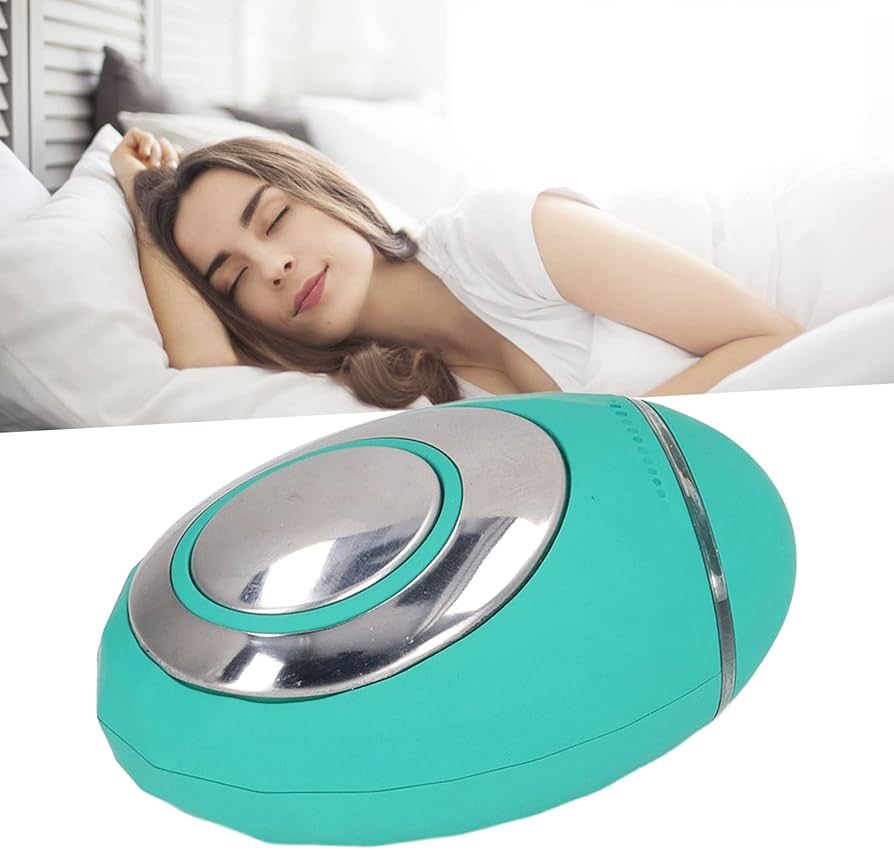
In clinical research settings, there has been growing attention to non-invasive neuromodulation devices aimed at improving relaxation before sleep. While still under evaluation, these technologies reflect ongoing innovation in sleep therapy technology.
Telehealth integration has expanded as well. Sleep specialists increasingly review remote sleep data from wearable devices and CPAP machines, allowing for more continuous monitoring and adjustments without in-person visits.
Regulations and Policy Considerations
Insomnia devices, particularly those classified as medical devices, are subject to regulatory oversight. In many regions, CPAP machines and certain neuromodulation tools fall under medical device regulations that require safety testing and approval before public distribution.
Regulatory agencies generally require:
- Evidence of safety and performance
- Clinical validation for medical claims
- Clear labeling and usage instructions
- Data privacy compliance for digital health platforms
Digital sleep applications that collect personal health information must also comply with data protection laws. Privacy standards often require secure storage, user consent, and transparent data usage policies.
Government-supported public health initiatives sometimes promote sleep awareness campaigns and behavioral health programs. These programs may include educational resources on sleep hygiene, mental health support, and lifestyle management.
Consumers are encouraged to:
- Verify regulatory approval status of medical-grade devices
- Review privacy policies of digital health tools
- Consult licensed healthcare professionals before starting new sleep interventions
Tools and Helpful Resources for Managing Insomnia
Several evidence-based tools and resources can support sleep improvement efforts.
Wearable Sleep Tracking Platforms
Devices linked to platforms such as Fitbit and Apple provide sleep duration reports, heart rate monitoring, and long-term trend graphs.
Cognitive Behavioral Therapy Apps
Digital CBT-I tools provide structured modules that include:
- Sleep restriction guidance
- Stimulus control techniques
- Cognitive restructuring exercises
- Relaxation training
- Progress tracking dashboards
Clinical Sleep Guidance
The American Academy of Sleep Medicine provides educational materials explaining sleep disorders, treatment pathways, and clinical guidelines.
Public Health Information
The Centers for Disease Control and Prevention shares research-based sleep hygiene recommendations, including consistent sleep schedules and screen-time management.
Basic Sleep Hygiene Checklist
- Maintain consistent bedtime and wake time
- Limit screen exposure before sleep
- Avoid caffeine late in the day
- Create a dark, quiet bedroom environment
- Engage in calming pre-sleep routines
Example Sleep Tracking Trend Graph (Conceptual Representation)
Sleep Duration (Hours)
Mon: 5.5
Tue: 6.0
Wed: 6.5
Thu: 7.0
Fri: 6.8
Sat: 7.2
Sun: 6.9
This kind of weekly visualization helps users identify improvement trends and behavioral patterns.
Frequently Asked Questions
What is the difference between insomnia devices and sleep trackers?
Sleep trackers mainly monitor and report sleep data. Insomnia devices may include therapeutic tools such as CBT-I platforms, light therapy devices, or CPAP machines designed to address underlying causes of sleep disruption.
Are insomnia devices considered medical treatment?
Some devices, such as CPAP machines, are medical treatments for diagnosed conditions like sleep apnea. Others, such as white noise machines or wearable trackers, are supportive wellness tools rather than direct medical therapies.
Can wearable sleep trackers diagnose insomnia?
Wearable devices cannot diagnose insomnia. Diagnosis requires clinical evaluation based on symptoms, duration, and functional impact. Sleep tracking data may assist healthcare providers in understanding patterns.
Is cognitive behavioral therapy more effective than medication?
Clinical guidelines from organizations like the American Academy of Sleep Medicine recommend cognitive behavioral therapy for insomnia as a first-line approach for chronic insomnia. Medication may be considered in certain cases under medical supervision.
Are insomnia devices safe to use long term?
Most consumer sleep devices are considered safe when used according to instructions. Medical-grade devices should be used under professional guidance, especially for conditions involving breathing or neurological factors.
Conclusion
Insomnia devices represent a growing area within digital health tools and sleep therapy technology. They exist to support better sleep patterns, monitor sleep quality, and assist in evidence-based interventions.
Modern lifestyles have increased the need for structured sleep support. From wearable sleep trackers to CBT-I platforms and regulated medical devices like CPAP systems, individuals now have access to more data-driven and clinically informed resources than ever before.
While these tools can provide valuable insights, they function best when combined with healthy sleep habits and professional guidance when necessary. Understanding device purpose, regulatory status, and evidence-based recommendations helps individuals make informed decisions about improving sleep health.