Industrial Ventilation Systems Guide: Explanation, Knowledge, and Details
Industrial ventilation systems are engineered solutions designed to control air quality in workplaces where heat, dust, fumes, vapors, or airborne particles are generated. These systems exist to manage airflow, remove contaminants, and maintain safe indoor environmental conditions. As industrial processes expanded and became more complex, natural airflow was no longer sufficient to protect workers or equipment. Mechanical ventilation systems emerged to ensure controlled air movement, consistent oxygen levels, and acceptable temperature and humidity conditions.
At their core, industrial ventilation systems balance fresh air intake with the removal of polluted air. They are commonly used in manufacturing units, warehouses, laboratories, power plants, processing facilities, and large workshops. By directing air through ducts, filters, and exhaust points, these systems help maintain stable and predictable working environments.
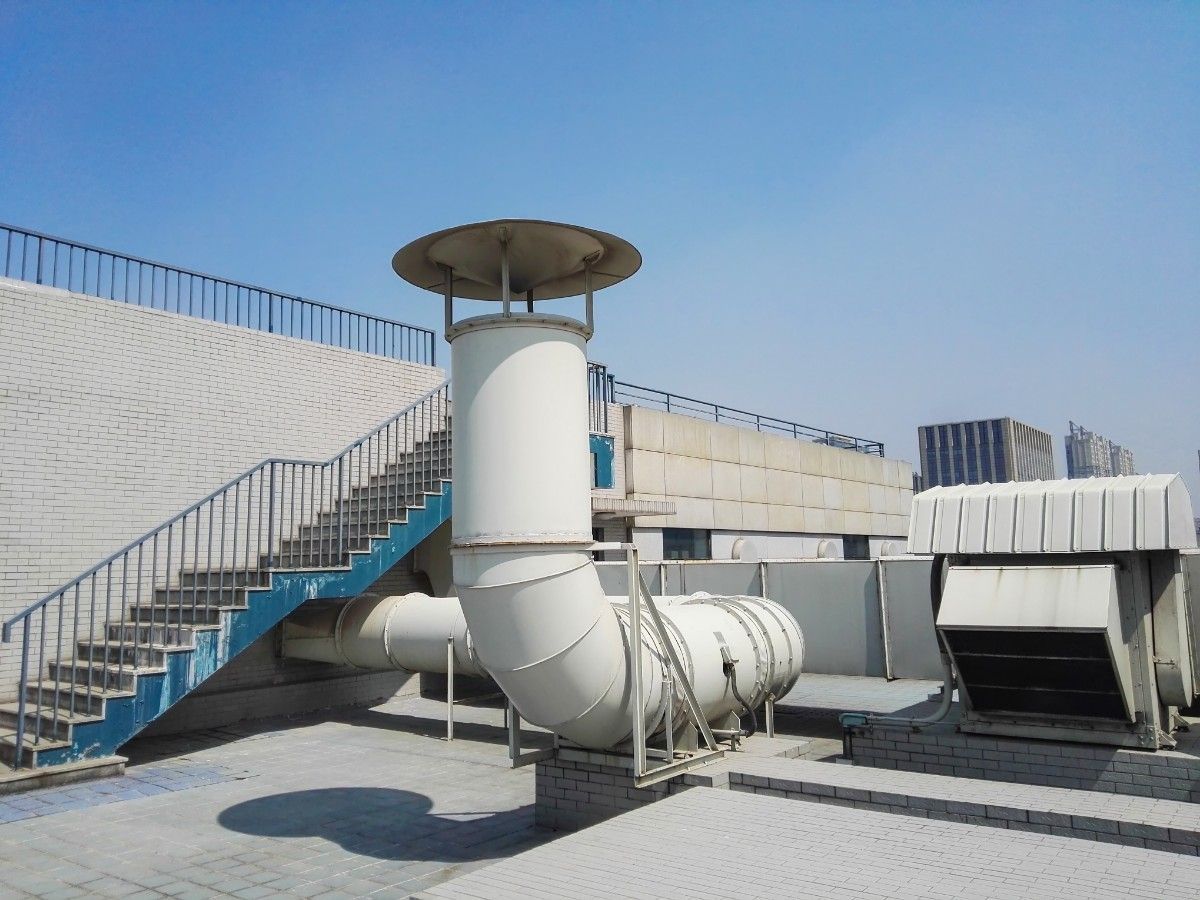
Importance
Industrial ventilation systems matter because air quality directly influences human health, productivity, and operational reliability. Poor ventilation can allow harmful substances to accumulate, leading to discomfort, fatigue, and long-term health risks.
These systems affect a wide range of people and operations, including:
-
Workers exposed to dust, smoke, or chemical vapors
-
Facility managers responsible for safety and compliance
-
Engineers designing controlled industrial environments
-
Organizations aiming to reduce environmental and operational risks
Key problems industrial ventilation systems help solve include:
-
Buildup of airborne contaminants
-
Excessive indoor heat and humidity
-
Inadequate oxygen levels in enclosed spaces
-
Corrosion or damage to sensitive machinery
High-performance industrial ventilation systems contribute to occupational safety, environmental control, and energy-efficient facility management, making them a critical part of modern industrial infrastructure.
Recent Updates
Over the recent period, industrial ventilation systems have seen notable technical and operational changes. One major trend is the increased use of smart sensors to monitor airflow, temperature, and particulate levels in real time. These sensors allow ventilation systems to respond dynamically to changing conditions rather than operating at constant capacity.
Another update involves energy-optimized ventilation design. Variable air volume systems and demand-controlled ventilation are being integrated to reduce unnecessary air movement while maintaining indoor air quality standards.
There has also been growing attention to indoor air quality monitoring after global health events highlighted the role of airborne transmission in enclosed environments. As a result, filtration efficiency and air exchange rates have become more prominent considerations in ventilation planning and assessment.
Digital modeling tools and simulation software are increasingly used during system design to predict airflow behavior and identify potential dead zones before installation.
Laws or Policies
Industrial ventilation systems are shaped by occupational safety regulations, environmental protection policies, and building performance standards. These rules generally focus on maintaining acceptable exposure limits for airborne contaminants, ensuring adequate air exchange, and preventing heat stress.
Regulatory frameworks typically address:
-
Minimum ventilation rates for enclosed industrial spaces
-
Control of hazardous airborne substances
-
Maintenance and inspection requirements
-
Documentation and monitoring of air quality parameters
While specific regulations differ by jurisdiction, the overall policy direction emphasizes prevention, risk reduction, and continuous monitoring of workplace air conditions. Compliance with these frameworks helps organizations maintain safer environments and standardized operational practices.
Tools and Resources
A variety of tools and resources support the planning, evaluation, and management of industrial ventilation systems. These tools help professionals make informed decisions based on measurable data rather than assumptions.
Commonly used tools and resources include:
-
Airflow calculators for determining required ventilation rates
-
Indoor air quality monitoring instruments
-
Computational fluid dynamics software for airflow simulation
-
Maintenance checklists and inspection templates
-
Technical standards and guidance documents from safety authorities
The table below shows examples of how different tools are used in ventilation planning:
| Tool Type | Purpose | Typical Application |
|---|---|---|
| Airflow Calculator | Estimates air volume needs | System sizing |
| Particle Monitor | Measures dust and aerosols | Exposure assessment |
| Simulation Software | Predicts airflow patterns | Design optimization |
| Inspection Checklist | Tracks system condition | Preventive maintenance |
These resources support evidence-based decisions and help align ventilation performance with safety and efficiency goals.
System Components Overview
Industrial ventilation systems are composed of multiple interconnected elements that work together to manage airflow. Understanding these components helps clarify how the system functions as a whole.
-
Air intake openings that introduce fresh air
-
Ductwork that guides air through the facility
-
Filters that capture dust and particles
-
Fans or blowers that move air efficiently
-
Exhaust outlets that remove contaminated air
The interaction between these components determines overall system effectiveness. Poorly designed duct layouts or undersized fans can significantly reduce performance.
Performance Indicators
Evaluating industrial ventilation systems requires objective indicators rather than visual inspection alone. Common performance indicators include:
-
Air changes per hour
-
Contaminant concentration levels
-
Temperature and humidity stability
-
Pressure balance across zones
These indicators help identify whether a system is functioning as intended or requires adjustment.
FAQs
What is the main purpose of industrial ventilation systems?
The primary purpose is to control indoor air quality by supplying fresh air and removing contaminated air, heat, and excess moisture from industrial environments.
How are industrial ventilation systems different from residential ventilation?
Industrial systems handle larger air volumes, higher contaminant loads, and more complex airflow patterns compared to residential systems.
Do industrial ventilation systems improve energy efficiency?
When properly designed and managed, they can support energy efficiency by optimizing airflow and reducing unnecessary heating or cooling losses.
How often should ventilation performance be evaluated?
Regular evaluation is recommended, especially after process changes, layout modifications, or noticeable changes in indoor air conditions.
Can ventilation systems reduce workplace health risks?
Yes, effective ventilation reduces exposure to airborne hazards, supporting safer and more comfortable working conditions.
Conclusion
Industrial ventilation systems play a vital role in maintaining safe, stable, and productive industrial environments. By managing airflow and controlling airborne contaminants, these systems protect human health, support operational efficiency, and align with regulatory expectations.
Advancements in monitoring, system design, and performance analysis continue to improve how ventilation systems respond to real-world conditions. Understanding their context, importance, regulatory influence, and available tools enables informed decision-making and long-term environmental control within industrial facilities.