Industrial Valves Guide: Explanation, Knowledge, and Essential Details
Industrial valves are mechanical devices designed to control, direct, or regulate the flow of liquids, gases, or slurries within a piping system. They exist to ensure that industrial processes operate safely, efficiently, and predictably. From allowing flow to stopping it completely, valves play a foundational role in how industrial systems function.
In many industries, fluids and gases must move under controlled pressure and temperature conditions. Industrial valves make this possible by opening, closing, or partially obstructing pipelines. Without valves, it would be difficult to isolate systems, manage flow rates, or protect equipment from damage caused by pressure fluctuations or contamination.
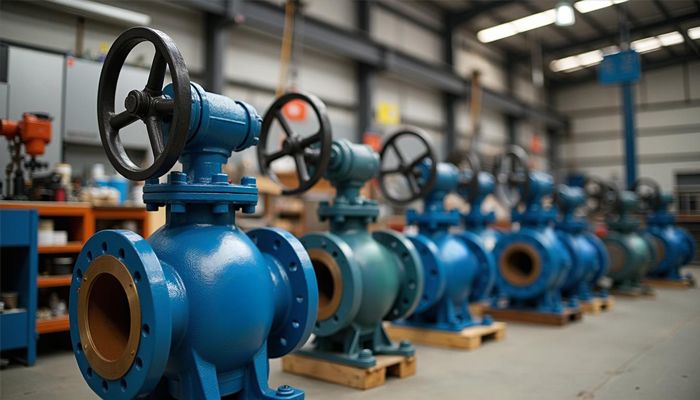
Common environments where industrial valves are used include power generation facilities, water treatment plants, chemical processing units, manufacturing plants, and energy infrastructure. Their design and materials are selected based on operating conditions such as pressure, temperature, corrosion risk, and media type.
Importance
Industrial valves matter because they directly affect safety, efficiency, and reliability across multiple sectors. A single valve malfunction can disrupt production, cause environmental harm, or create safety risks for workers.
Key reasons this topic is important today include:
-
Increasing industrial automation that depends on precise flow control
-
Growing focus on operational safety and system reliability
-
Expansion of infrastructure systems that rely on controlled fluid movement
Industrial valves affect engineers, maintenance teams, plant operators, regulators, and system designers. They help solve problems such as:
-
Preventing leaks and pressure buildup
-
Enabling isolation during maintenance or emergencies
-
Supporting accurate process control in automated systems
-
Protecting downstream equipment from damage
Because industrial processes are becoming more complex, the role of valves has expanded from simple on–off devices to smart components integrated into control systems.
Recent Updates
In recent developments, industrial valves have seen steady innovation focused on efficiency, monitoring, and durability. One noticeable trend is the increased use of smart valve technology, where sensors are integrated to monitor pressure, temperature, and valve position in real time. These systems support predictive maintenance and reduce unexpected downtime.
Another update involves material advancements. Manufacturers are adopting improved alloys and composite materials that perform better under extreme temperatures and corrosive environments. This extends valve lifespan and improves system reliability.
Standardization efforts have also continued, with refinements in testing procedures and performance classifications. Digital documentation and traceability have become more common, helping industries maintain compliance and improve maintenance planning.
Sustainability has influenced valve design as well, with newer models focusing on reduced leakage rates and improved sealing technologies to minimize waste and emissions.
Laws or Policies
Industrial valves are influenced by technical standards and regulatory frameworks that define safety, performance, and testing requirements. These rules are generally created to protect workers, infrastructure, and the environment.
Key areas regulated through policies and standards include:
-
Pressure ratings and material strength
-
Fire-safe and leak-prevention requirements
-
Certification and testing procedures
-
Environmental protection and emission control
Organizations such as International Organization for Standardization and American Petroleum Institute publish widely adopted standards that guide valve design, testing, and documentation. These frameworks help ensure consistency and safety across industries, even when equipment is used in different regions.
Compliance with these rules supports safer operations and clearer accountability throughout the lifecycle of an industrial valve.
Tools and Resources
Several tools and resources help professionals understand, select, and maintain industrial valves effectively.
Helpful resources include:
-
Valve selection charts for pressure, temperature, and media compatibility
-
Flow coefficient (Cv) calculators for sizing control valves
-
Maintenance planning templates for inspection schedules
-
Digital valve catalogs with technical specifications
-
Engineering handbooks and reference guides
Educational platforms and industry associations also publish technical papers and training materials that explain valve operation, standards, and application best practices. These resources support informed decision-making and knowledge development.
Common Types of Industrial Valves
| Valve Type | Primary Function | Typical Applications |
|---|---|---|
| Gate Valve | Full flow isolation | Water lines, pipelines |
| Ball Valve | Quick shutoff | Gas systems, processing |
| Globe Valve | Flow regulation | Control systems |
| Butterfly Valve | Compact flow control | Large-diameter piping |
| Check Valve | Prevent backflow | Pump protection |
This table highlights how different valve types serve specific operational needs based on design and function.
Industrial Valve Materials Overview
-
Carbon steel for general-purpose applications
-
Stainless steel for corrosion resistance
-
Cast iron for low-pressure systems
-
Alloy steels for high-temperature environments
-
Specialized polymers for chemical compatibility
Material selection is critical to ensure performance, safety, and durability.
FAQs
What is the main function of an industrial valve?
An industrial valve controls the flow, pressure, or direction of fluids and gases within a system to support safe and efficient operation.
How are industrial valves classified?
They are commonly classified by function, such as isolation, regulation, or backflow prevention, and by design, such as gate, ball, or globe valves.
Why is valve sizing important?
Correct sizing ensures proper flow control, reduces wear, and prevents pressure-related issues that could damage equipment.
What factors influence valve selection?
Key factors include operating pressure, temperature, fluid type, flow requirements, and environmental conditions.
How do standards affect industrial valves?
Standards define testing methods, performance requirements, and safety criteria, helping ensure reliability and compatibility across systems.
Conclusion
Industrial valves are essential components that support the safe and efficient operation of modern industrial systems. By regulating flow and pressure, they protect equipment, improve process control, and enhance overall system reliability. Ongoing advancements in materials, digital monitoring, and standardization continue to shape how valves are designed and used. A clear understanding of industrial valves, their types, functions, and governing standards helps industries maintain safer, more resilient infrastructure.