Industrial Ovens Overview: Basics, Facts, and Key Information
Industrial ovens are large-scale heating systems designed for controlled thermal processing in industrial and manufacturing environments. Unlike household ovens, these systems are engineered to handle high temperatures, continuous operation, and large production volumes while maintaining consistent heat distribution.
Industrial ovens exist to support processes where precise temperature control is essential. They are used for applications such as drying, curing, baking, annealing, preheating, heat treatment, and material testing. Industries rely on them to ensure product uniformity, structural integrity, and process reliability.
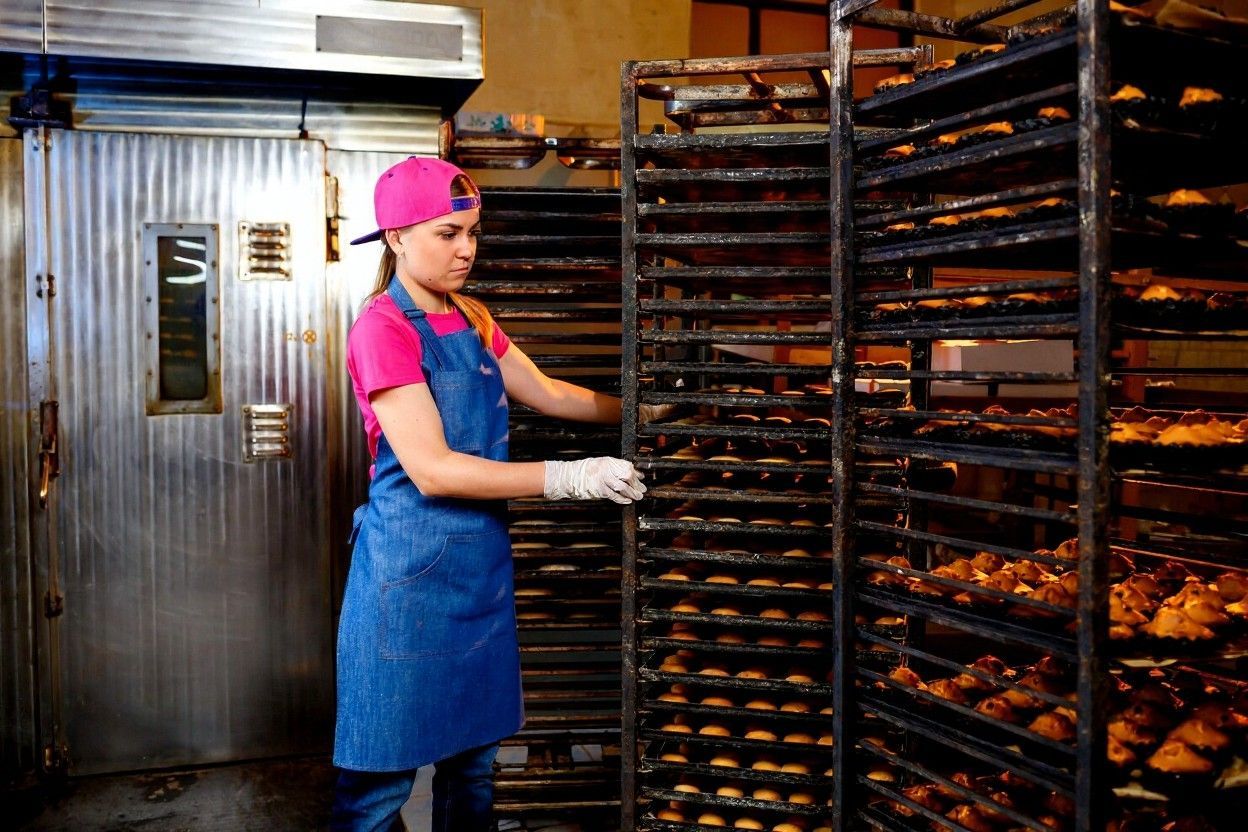
These ovens vary widely in size, heat source, airflow design, and operating method. Common configurations include batch ovens, conveyor ovens, cabinet ovens, and tunnel ovens. Each type is designed to match specific production needs and material characteristics, making industrial ovens a core component of modern industrial infrastructure.
Importance: Why Industrial Ovens Matter Today
Industrial ovens play a critical role in maintaining quality, safety, and efficiency across multiple sectors. Their importance continues to grow as industries focus on automation, standardization, and energy optimization.
Key reasons industrial ovens matter include:
-
Process Consistency: Controlled heating ensures uniform results across large production volumes.
-
Product Performance: Proper curing or heat treatment improves durability, strength, and reliability.
-
Operational Efficiency: Automated temperature control reduces waste and rework.
-
Safety and Compliance: Proper thermal processing helps meet industrial and environmental standards.
Industries affected by industrial oven technology include manufacturing, automotive, electronics, aerospace, pharmaceuticals, food processing, ceramics, textiles, and chemical processing. These systems solve problems related to uneven heating, contamination risk, material defects, and inefficient thermal cycles.
As production systems become more complex, industrial ovens help bridge the gap between raw materials and finished goods by ensuring repeatable and measurable heat processes.
Recent Updates: Trends and Developments
In recent months, industrial oven technology has seen notable shifts driven by digital integration and sustainability goals. Manufacturers and facility operators increasingly focus on monitoring, efficiency, and system adaptability.
Key developments include:
-
Smart Monitoring Systems: Integration of sensors and digital dashboards for real-time temperature tracking and fault detection.
-
Energy Optimization: Improved insulation materials and heat recovery mechanisms to reduce energy loss.
-
Modular Designs: Flexible oven structures that adapt to changing production needs without full system replacement.
-
Data Logging and Analytics: Enhanced reporting features that support quality audits and process optimization.
These updates reflect a broader trend toward intelligent industrial equipment, where ovens are no longer standalone machines but part of connected production ecosystems.
Laws and Policies: Regulatory Influence
Industrial ovens are influenced by technical standards, safety codes, and environmental guidelines established by regulatory bodies and industry organizations. These rules aim to protect workers, ensure process safety, and limit environmental impact.
Regulatory considerations typically address:
-
Thermal Safety Standards: Maximum surface temperatures, insulation requirements, and emergency shutoff systems.
-
Emissions and Air Quality Rules: Control of exhaust gases, particulates, and volatile compounds.
-
Energy Efficiency Guidelines: Encouragement of optimized fuel usage and reduced heat loss.
-
Workplace Safety Codes: Requirements for ventilation, fire prevention, and operator protection.
Compliance with such policies ensures that industrial ovens operate safely, efficiently, and responsibly within industrial facilities.
Tools and Resources for Industrial Ovens
Several digital and technical resources help engineers, technicians, and facility managers work more effectively with industrial ovens. These tools support planning, monitoring, and maintenance activities.
Commonly used tools and resources include:
-
Temperature Profiling Software: Helps analyze heat distribution and cycle accuracy.
-
Energy Consumption Calculators: Estimate thermal efficiency and operational energy usage.
-
Maintenance Management Platforms: Track inspection schedules and performance data.
-
Technical Documentation Libraries: Provide operating manuals and safety references.
-
Simulation Tools: Model airflow and heat transfer before system deployment.
Example Table: Industrial Oven Parameters Overview
| Parameter | Typical Purpose |
|---|---|
| Operating Temperature | Defines heat processing capability |
| Airflow Pattern | Ensures uniform heat distribution |
| Insulation Type | Reduces energy loss |
| Control System | Maintains temperature accuracy |
| Safety Features | Protects equipment and personnel |
These resources support informed decision-making and help maintain consistent oven performance over time.
Common Industrial Oven Types and Uses
Industrial ovens are classified based on design and function. Understanding these categories helps clarify their role in different processes.
Common types include:
-
Batch Ovens: Suitable for low-volume or varied product processing.
-
Conveyor Ovens: Designed for continuous, high-throughput operations.
-
Cabinet Ovens: Compact units for controlled thermal applications.
-
Tunnel Ovens: Used for large-scale, uninterrupted production lines.
Typical applications include:
-
Drying coatings and adhesives
-
Curing paints and finishes
-
Heat treating metals and composites
-
Baking industrial materials
-
Preheating components for assembly
FAQs About Industrial Ovens
What is the main purpose of an industrial oven?
The primary purpose is to provide controlled and consistent heat for industrial processes such as curing, drying, or heat treatment.
How are industrial ovens different from commercial ovens?
Industrial ovens are designed for continuous operation, higher temperatures, larger capacities, and precise process control compared to commercial or domestic ovens.
What factors affect industrial oven performance?
Key factors include airflow design, insulation quality, control systems, temperature range, and maintenance practices.
Are industrial ovens energy-intensive?
They can be, but modern designs focus on energy efficiency through insulation, heat recovery, and optimized control systems.
How is temperature accuracy maintained?
Accuracy is maintained using sensors, automated controllers, and regular calibration procedures.
Industrial Ovens and High-Value Industry Knowledge
From an informational and technical perspective, industrial ovens intersect with several high-value knowledge areas such as industrial automation, thermal engineering, process optimization, and energy management. These topics are often associated with high CPC informational keywords due to their relevance in industrial research, compliance documentation, and technical education.
Understanding industrial ovens supports broader insights into manufacturing systems, quality control, and sustainable production practices.
Conclusion
Industrial ovens are foundational systems that support reliable and efficient industrial processes. By providing controlled thermal environments, they enable consistent product quality, operational safety, and process optimization across many sectors.
Ongoing developments in monitoring technology, energy efficiency, and system design continue to enhance their role in modern industry. Awareness of regulations, tools, and best practices helps ensure that industrial ovens remain safe, efficient, and aligned with evolving industrial standards.
This overview highlights the essential facts, importance, and practical considerations surrounding industrial ovens, offering clear and accessible knowledge for a general audience seeking reliable industrial information.