Industrial Lifts Explained: A Complete Guide with Key Insights & Helpful Tips
Industrial lifts are mechanical systems designed to move heavy materials vertically across factories, warehouses, construction sites, and industrial facilities. They support modern material handling systems, industrial automation, and logistics operations by reducing manual labor and improving workflow efficiency. They operate using hydraulic, mechanical, or electric mechanisms depending on industrial engineering requirements.
Over the years, industrial lifts have evolved from simple hoisting devices into advanced machines integrated with sensors, automation controllers, and safety monitoring systems. Their role has expanded as industries demand greater efficiency, precision, and reliable movement of goods. Today, they are a fundamental component of large-scale manufacturing units, distribution centers, and infrastructure projects.
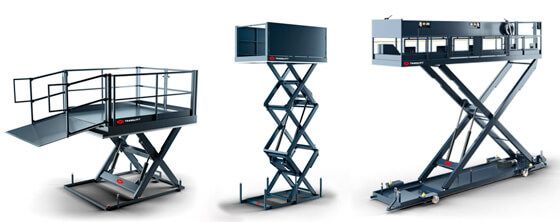
Industrial lifts exist to ensure safe load handling, reduce workplace strain, and provide consistent performance across demanding industrial conditions. Their adaptability makes them critical in industries such as automotive manufacturing, construction, energy production, mining, and retail warehousing.
Importance
Industrial lifts are important because they solve complex material-handling challenges that cannot be managed by manual labor alone. They help industries address safety risks, improve operational speed, and maintain organized movement of goods.
They matter to a wide group of users:
-
Manufacturing units handling heavy components
-
Warehouses needing structured vertical movement
-
Construction sites requiring elevation of materials
-
Logistics companies managing high-volume workflows
-
Ports and industrial zones that depend on efficient cargo handling
Problems they solve include:
-
Reducing worker injuries from manual lifting
-
Improving flow of goods between production stages
-
Ensuring consistent load balancing
-
Supporting time-sensitive industrial processes
-
Enhancing safety compliance and workplace stability
Industrial lifts also contribute to efficient warehouse management systems, optimized supply chains, and advanced industrial engineering applications. As industries grow more automated, the need for smart lifting solutions continues to rise.
Recent Updates and Emerging Trends
Industrial lifting systems have seen several important developments in recent periods, especially in automation, safety, and digital monitoring. Many facilities are adopting smarter, more efficient, and more reliable lifting technologies.
Rise of connected and sensor-based lift systems
Modern industrial lifts now include IoT sensors that track load weight, platform stability, vibration levels, and motor performance. These tools support predictive maintenance and help reduce unexpected downtime.
Growing preference for electric lifting mechanisms
Electric-powered lifts are becoming more popular due to smoother operation, reduced maintenance needs, and better alignment with sustainability goals across industrial environments.
Adoption of automated and programmable lifting platforms
Advanced controllers, automated movement functions, and integration with material-handling software make lifting operations more precise and consistent.
Improved ergonomic and safety-focused design
Newer lifts feature anti-tilt systems, low-noise motors, enhanced grip surfaces, and improved stability controls. These upgrades contribute to safer handling and reduced operator fatigue.
Expansion of digital safety diagnostics
Smart monitoring tools now assist operators by predicting component wear, detecting abnormal movements, and generating safety alerts before issues occur.
Focus on integration with warehouse and logistics systems
Industrial lifts are increasingly connected to warehouse management systems, allowing synchronized workflows and smoother movement across loading, storage, and dispatch activities.
Laws and Regulations (Global Overview)
Industrial lifts in different regions follow varying safety rules, engineering standards, and certification requirements. While details differ by country, most regulations focus on mechanical integrity, operator safety, and routine inspection.
Below is a global summary of frequently referenced frameworks:
International Standards Organization (ISO)
-
ISO standards cover safety requirements, load testing, and mechanical design.
-
ISO 16368 (for mobile elevating platforms) is widely used worldwide.
-
General mechanical safety follows ISO 12100 principles.
European Union (EU) Machinery Regulation
-
Industrial lifts must follow mechanical safety rules, structural design requirements, and compliance audits.
-
CE marking is required for machines used within EU countries.
Occupational Safety and Health Administration (OSHA – USA)
-
OSHA standards emphasize safe operation of mechanical lifting equipment, protected work zones, and operator training.
-
Regular inspection and documentation are mandatory.
American Society of Mechanical Engineers (ASME)
-
ASME B20.1 provides guidelines for conveyors, lifting devices, and material-handling platforms.
-
ASME A17.1 applies to elevators and vertical lifts.
Canadian Centre for Occupational Health and Safety (CCOHS)
-
Emphasizes proper load limits, guardrails, routine inspection, and operator awareness.
Australian Standards (AS)
-
AS 1735 covers elevator and lift safety requirements.
-
Material-handling devices must follow documented inspection procedures.
General Global Requirements
Across many countries, the common regulatory expectations include:
-
Documentation of load capacity
-
Maintenance logs and inspection intervals
-
Use of safety guards, emergency stops, and overload protection
-
Operator training and safety awareness
-
Certification or approval before commercial use
-
Compliance with electrical and mechanical safety codes
These regulations collectively aim to ensure the safe installation, operation, and maintenance of industrial lifting equipment across global industrial environments.
Tools and Resources
Digital Tools and Calculators
-
Load Capacity Estimators
-
Platform Dimension Planners
-
Hydraulic Pressure Simulation Tools
-
Lift Height and Reach Planners
Inspection and Safety Tools
-
Digital safety checklist apps
-
Equipment monitoring dashboards
-
IoT-based vibration and motor health tracking tools
-
Predictive maintenance software
Global Resource Websites
-
ISO Technical Guidelines Database
-
ASME Standards Information Portal
-
OSHA Industrial Safety Reference Library
-
EU Machinery Regulation Resource Center
Training and Learning Resources
-
Online modules on material-handling safety
-
Lift operation awareness sessions
-
Mechanical engineering tutorials
-
Industrial automation learning guides
FAQs
1. What types of industrial lifts are most commonly used?
Common types include scissor lifts, boom lifts, freight lifts, hydraulic lifts, vertical reciprocating conveyors (VRCs), and automated lifting platforms.
2. How do industrial lifts improve workplace safety?
They limit manual handling, reduce the risk of strain or injury, and support controlled lifting within safe load limits.
3. What are the key factors to consider before using an industrial lift?
Important factors include load capacity, height requirements, lift type, safety features, space availability, and compliance with relevant safety standards.
4. Do industrial lifts require regular inspections?
Yes. Most global regulations require periodic inspection, documentation, and certification depending on lift type and industry usage.
5. Are automated or smart lifts becoming more common?
Yes. Many industries now use sensor-enabled, automated, or remotely monitored lift systems to improve efficiency and reduce downtime.
Conclusion
Industrial lifts are vital tools in modern material-handling environments. They support safe and efficient movement of goods across factories, warehouses, and construction sites. With advancements in automation, digital monitoring, and ergonomic design, industrial lifts continue to evolve and become more reliable globally. Clear regulations and international safety standards help ensure that these machines operate safely, efficiently, and consistently across a wide range of industries.
Understanding their role, global regulations, and operational tools helps businesses and workers enhance productivity while maintaining workplace safety. As industries worldwide adopt smarter systems, industrial lifts will remain essential components of modern industrial engineering and material-handling processes.