Industrial Fan Systems: Complete Guide, Basics & Key Insights
Industrial fan systems are mechanical ventilation systems designed to move large volumes of air in factories, warehouses, power plants, processing units, and commercial facilities. Unlike household fans, these systems are engineered to handle high airflow rates, elevated temperatures, airborne particles, moisture, and sometimes corrosive gases.
The main purpose of industrial ventilation systems is to control airflow within large spaces. They help regulate temperature, remove dust and fumes, manage humidity, and maintain acceptable indoor air quality levels. In industrial environments where machinery operates continuously, heat and airborne contaminants accumulate quickly. Without proper air movement, working conditions can become unsafe and inefficient.
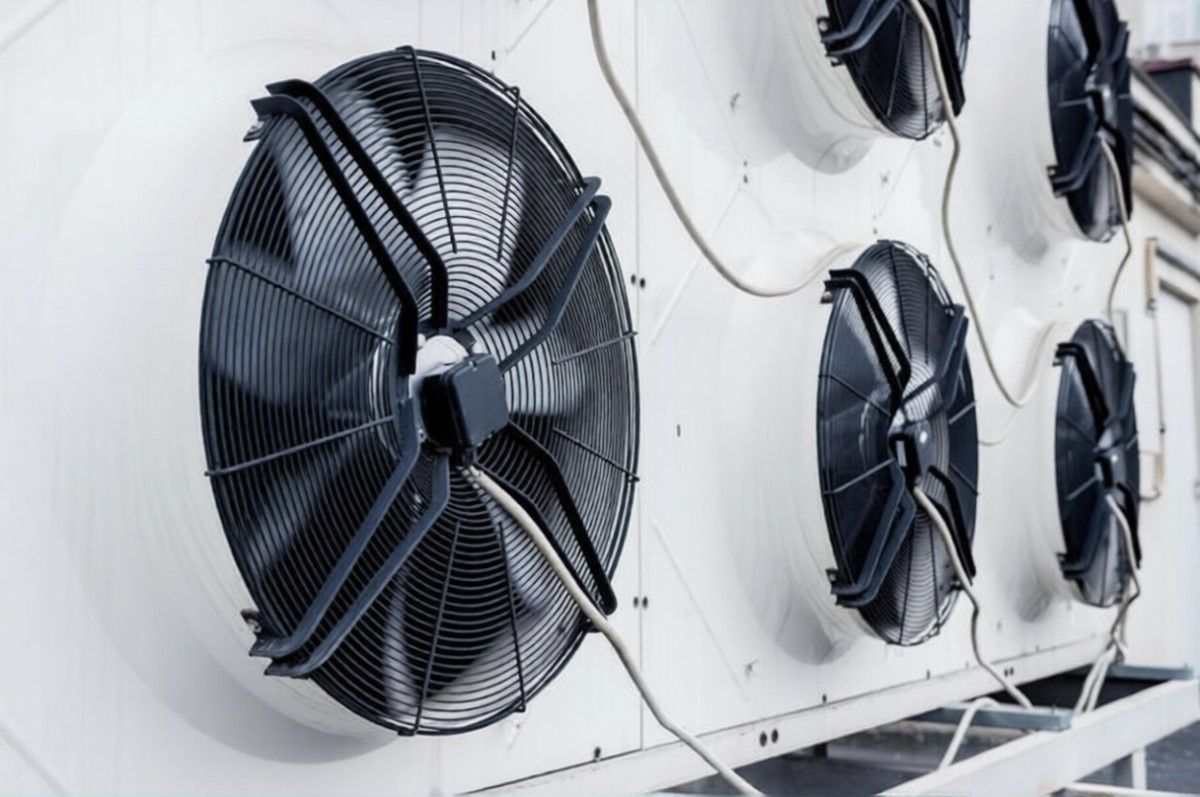
Industrial fans generally fall into two broad categories:
-
Axial fans, which move air parallel to the shaft and are commonly used for general ventilation.
-
Centrifugal fans, which move air at a right angle to the intake and are suitable for higher-pressure applications such as dust collection systems and air pollution control equipment.
These systems are integrated into broader HVAC airflow optimization strategies. They may include ducting, filtration units, dampers, sensors, and control systems to ensure steady and balanced air distribution across large industrial zones.
Importance: Why Industrial Fan Systems Matter Today
Industrial air quality management has become a critical concern across manufacturing, logistics, agriculture, and infrastructure sectors. Modern facilities rely on high-efficiency industrial fans to maintain operational stability and workforce safety.
There are several reasons why industrial fan systems matter today:
-
Temperature regulation: Machinery generates heat, and effective airflow prevents overheating.
-
Worker safety: Ventilation removes fumes, smoke, dust, and chemical vapors.
-
Equipment protection: Proper airflow reduces the risk of moisture accumulation and corrosion.
-
Energy performance: Energy-efficient ventilation solutions reduce electricity consumption in large facilities.
-
Environmental compliance: Many industries must meet air quality and emission control standards.
In high-production environments, poor ventilation can result in reduced productivity, increased equipment downtime, and potential health risks. Industrial ventilation systems directly support operational continuity by stabilizing air pressure and maintaining balanced airflow patterns.
Energy efficiency is another key factor. Industrial fans can account for a significant portion of a facility’s electricity usage. Upgrading to variable-speed drives and optimized blade designs improves airflow optimization while reducing energy demand. This aligns with sustainability targets and broader environmental, social, and governance (ESG) frameworks adopted by many organizations.
Industries most affected by ventilation requirements include:
-
Manufacturing and fabrication plants
-
Warehousing and logistics hubs
-
Food processing units
-
Power generation facilities
-
Mining and heavy engineering operations
In each case, air pollution control equipment and dust collection systems are closely integrated with fan systems to ensure continuous air circulation and contaminant extractio.
Recent Updates and Industry Trends
Industrial ventilation technology has evolved significantly in recent periods. One major development has been the adoption of variable frequency drives (VFDs). These systems allow fan speeds to adjust automatically based on real-time airflow demand, reducing unnecessary power usage.
Another emerging trend is the integration of smart sensors into industrial fan systems. Facilities increasingly deploy Internet of Things (IoT)-enabled monitoring platforms that track:
-
Airflow velocity
-
Pressure differentials
-
Motor temperature
-
Energy consumption
This data-driven approach improves predictive maintenance and supports more accurate HVAC airflow optimization.
High-efficiency EC (electronically commutated) motors are also becoming more common in energy-efficient ventilation solutions. Compared to traditional motors, EC motors provide better control, reduced heat loss, and improved operational lifespan.
Noise reduction has received more attention as well. Advanced blade geometries and acoustic enclosures help meet occupational health guidelines related to permissible noise exposure.
Sustainability reporting requirements have encouraged industries to review their ventilation systems for carbon footprint reduction. Improved airflow modeling software now allows engineers to simulate performance before installation, minimizing design inefficiencies.
Laws and Regulatory Framework
Industrial fan systems are influenced by occupational health, environmental protection, and energy efficiency regulations. Although specific standards vary by jurisdiction, most industrial facilities must comply with general safety and environmental frameworks.
Common regulatory influences include:
-
Workplace safety standards governing indoor air quality and permissible exposure limits for dust and fumes
-
Environmental emission regulations related to air pollution control equipment
-
Building codes addressing mechanical ventilation requirements
-
Energy performance standards that encourage efficient motor systems
Agencies such as Occupational Safety and Health Administration and Environmental Protection Agency set widely referenced benchmarks for air quality, particulate emissions, and ventilation practices. Their frameworks influence industrial air quality management policies in many regions.
International guidelines from International Organization for Standardization also shape manufacturing and ventilation standards through technical specifications for fan performance testing and quality management systems.
Compliance typically involves:
-
Monitoring airflow and filtration efficiency
-
Maintaining documented inspection records
-
Conducting periodic system evaluations
-
Ensuring that dust collection systems meet particulate control limits
Failure to maintain compliant ventilation systems may result in operational restrictions or penalties under applicable environmental and occupational health laws.
Tools and Resources for Industrial Ventilation
Engineers and facility managers rely on a variety of digital tools and technical resources to manage industrial ventilation systems effectively.
Commonly used tools include:
-
Airflow calculation software for determining required cubic feet per minute (CFM)
-
Static pressure calculators for duct system design
-
Energy consumption modeling tools for motor efficiency analysis
-
Computational fluid dynamics (CFD) simulation platforms for airflow mapping
-
Maintenance management systems that track inspections and part replacements
The following table outlines key tools and their primary functions:
| Tool Type | Primary Function | Application Area |
|---|---|---|
| Airflow Calculator | Estimate ventilation capacity | Factory layout planning |
| Static Pressure Estimator | Determine resistance in duct systems | HVAC airflow optimization |
| Energy Monitoring Dashboard | Track electricity consumption | Energy-efficient ventilation review |
| CFD Simulation Software | Model air distribution patterns | Industrial air quality management |
| Maintenance Tracking Platform | Schedule inspections and log performance | Compliance documentation |
Technical standards publications and engineering handbooks also provide guidance on blade selection, motor sizing, and duct configuration. Industry associations often publish best practice documents related to factory ventilation standards and air pollution control equipment integration.
Educational resources such as webinars, technical white papers, and ventilation design manuals help facility managers stay informed about high-efficiency industrial fans and evolving compliance requirements.
Frequently Asked Questions
What is the difference between axial and centrifugal industrial fans?
Axial fans move air parallel to the shaft and are suitable for high-volume, low-pressure applications. Centrifugal fans move air perpendicular to the intake and are better suited for higher-pressure environments such as dust collection systems and filtration units.
How do industrial fan systems improve energy efficiency?
Energy-efficient ventilation solutions use optimized blade designs, high-efficiency motors, and variable frequency drives. These technologies adjust airflow based on demand, reducing unnecessary power usage.
Why is industrial air quality management important?
Proper ventilation reduces exposure to airborne contaminants, supports worker health, and helps facilities comply with environmental and occupational regulations.
How often should industrial fan systems be inspected?
Inspection frequency depends on operating conditions. Facilities handling heavy dust or chemical fumes typically conduct more frequent evaluations to ensure airflow stability and compliance with factory ventilation standards.
Can ventilation systems reduce operational risks?
Yes. Effective airflow management lowers overheating risks, prevents accumulation of harmful gases, and supports stable equipment performance.
Conclusion
Industrial fan systems play a central role in modern industrial ventilation systems. They regulate airflow, protect worker health, and maintain operational stability across diverse sectors. As industries emphasize energy-efficient ventilation solutions and sustainability goals, the demand for high-efficiency industrial fans and advanced monitoring technologies continues to grow.
Regulatory frameworks related to occupational health, environmental protection, and energy performance further reinforce the importance of proper system design and maintenance. Tools such as airflow calculators, CFD modeling software, and energy monitoring dashboards support more accurate planning and compliance.
By integrating advanced motors, smart sensors, and optimized duct configurations, facilities can strengthen industrial air quality management while improving overall efficiency. Industrial fan systems are not only mechanical components; they are essential infrastructure supporting safety, performance, and environmental responsibility in large-scale operations.