Industrial Energy Management System: Discover Basics, Tips, and Practical Advice
An Industrial Energy Management System (IEMS) refers to a structured approach used by industries to monitor, control, and optimize energy usage across operations. It combines technology, data analysis, and operational practices to improve energy efficiency and reduce waste.
Industries such as manufacturing, chemical processing, and heavy engineering often consume large amounts of energy. Without proper monitoring, energy losses can occur due to inefficient equipment, outdated processes, or lack of data visibility. An IEMS addresses these challenges by providing real-time insights into energy consumption patterns.
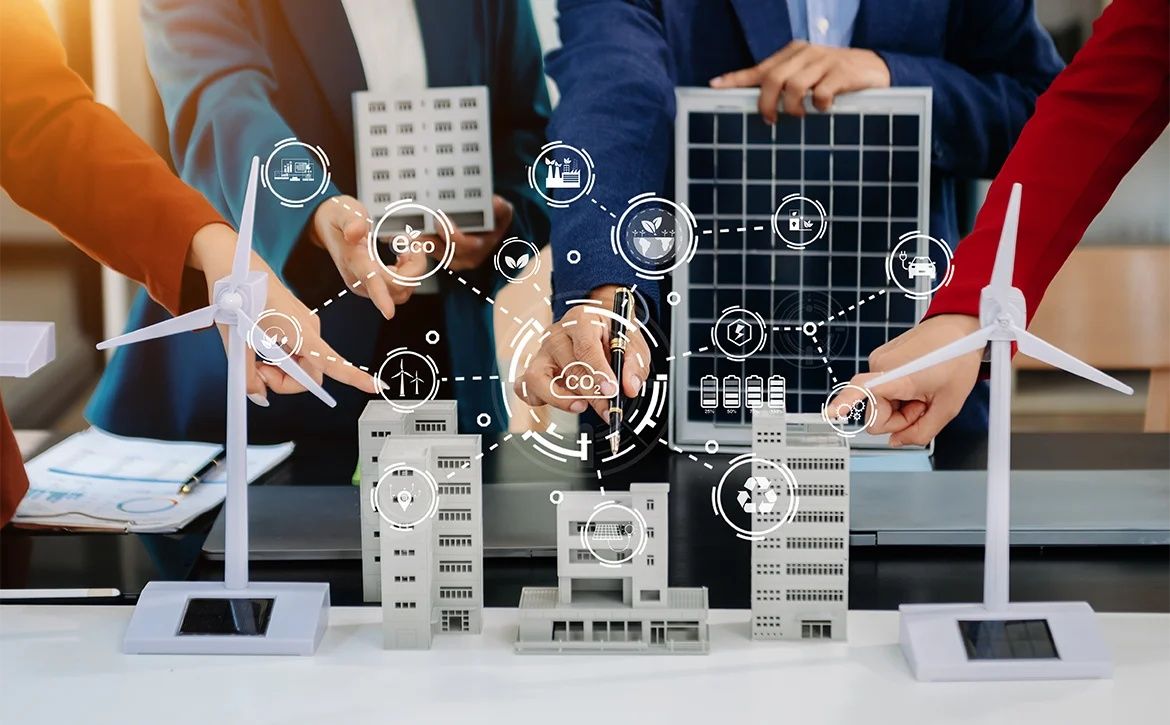
At its core, an industrial energy management system integrates sensors, software platforms, and analytics tools. These systems collect data from machinery, production lines, and utilities, then convert it into actionable information. This helps decision-makers understand where energy is being used effectively and where improvements are needed.
Common elements of an IEMS include:
- Energy monitoring devices and smart meters
- Data analytics dashboards
- Automated control systems
- Reporting and benchmarking tools
The goal is not only to reduce energy consumption but also to maintain operational performance while using energy more intelligently.
Why Industrial Energy Management Systems Matter
Energy efficiency has become a critical focus for industries due to rising operational complexity and environmental concerns. Industrial energy management systems play a key role in addressing these challenges.
Industries face several issues related to energy usage:
- High energy consumption leading to increased operational expenses
- Lack of visibility into energy usage across departments
- Inefficient machinery or outdated processes
- Environmental impact due to excessive energy use
An effective IEMS helps solve these problems by offering structured insights and control.
Key benefits include:
- Improved energy efficiency across operations
- Reduced energy waste through better monitoring
- Enhanced decision-making using real-time data
- Better compliance with environmental standards
- Increased equipment performance and lifespan
Industries that adopt energy management practices can also align with broader sustainability goals. This includes reducing carbon emissions and improving resource utilization.
Below is a simple comparison of traditional vs. managed energy systems:
| Aspect | Traditional Approach | Energy Management System |
|---|---|---|
| Monitoring | Manual or limited | Real-time automated |
| Data Analysis | Basic or none | Advanced analytics |
| Energy Efficiency | Low | Optimized |
| Decision Making | Reactive | Proactive |
| Reporting | Irregular | Structured & continuous |
This structured approach ensures that energy is treated as a measurable and manageable resource rather than an uncontrolled expense.
Recent Trends and Developments
Industrial energy management systems have evolved significantly due to advancements in digital technologies and data-driven practices.
One major trend is the integration of Industrial Internet of Things (IIoT) devices. These devices enable continuous data collection from machines, allowing detailed monitoring of energy usage. This has improved accuracy and responsiveness in energy management strategies.
Another development is the use of artificial intelligence and machine learning. These technologies help analyze large datasets to identify patterns, predict energy demand, and recommend optimization strategies.
Key emerging trends include:
- Adoption of cloud-based energy management platforms
- Integration with smart grids and renewable energy sources
- Use of predictive analytics for energy optimization
- Increased focus on digital twins for simulation and planning
- Enhanced cybersecurity measures for energy data systems
The shift toward automation and intelligent systems has made energy management more efficient and scalable. Industries are now able to manage energy across multiple facilities using centralized platforms.
Laws, Policies, and Regulatory Influence
Industrial energy management is closely influenced by regulatory frameworks and policy guidelines. Governments and international organizations often establish standards to promote energy efficiency and environmental responsibility.
Many industries follow structured energy management standards such as ISO-based frameworks. These standards provide guidelines for implementing, maintaining, and improving energy management systems.
Key regulatory aspects typically include:
- Mandatory energy audits for large industries
- Reporting requirements for energy consumption
- Efficiency benchmarks for industrial equipment
- Incentives for adopting energy-efficient technologies
- Environmental compliance requirements related to emissions
Organizations are encouraged to implement systematic energy management practices to meet these regulations. Compliance not only ensures legal alignment but also enhances operational efficiency.
Policies also promote the use of renewable energy sources and energy-efficient technologies. This encourages industries to adopt cleaner and more sustainable energy practices.
Tools and Resources for Energy Management
A wide range of tools and resources support the implementation and operation of industrial energy management systems. These tools help collect data, analyze performance, and guide decision-making.
Common tools and platforms include:
- Energy monitoring software with dashboards
- Smart meters and IoT-enabled sensors
- Energy performance calculators
- Benchmarking tools for comparing energy usage
- Data visualization platforms for reporting
Useful types of resources:
- Industry guidelines and technical documentation
- Energy audit templates and checklists
- Online learning platforms for energy management
- Simulation tools for process optimization
- Research publications on energy efficiency
Below is a simple table showing types of tools and their functions:
| Tool Type | Function |
|---|---|
| Smart Sensors | Measure real-time energy consumption |
| Analytics Software | Analyze usage patterns and trends |
| Dashboards | Visualize energy data |
| Audit Templates | Structure energy assessments |
| Simulation Tools | Test efficiency improvements |
Using the right combination of tools helps industries build a comprehensive and effective energy management strategy.
Frequently Asked Questions
What is the main purpose of an industrial energy management system?
The main purpose is to monitor, control, and optimize energy usage in industrial operations. It helps reduce waste, improve efficiency, and support better decision-making.
How does an energy management system improve efficiency?
It provides real-time data and insights, allowing industries to identify inefficiencies, adjust processes, and optimize energy use across equipment and operations.
Is an energy management system only for large industries?
While commonly used in large industries, smaller facilities can also benefit. The system can be scaled based on the size and complexity of operations.
What technologies are used in energy management systems?
Common technologies include IoT sensors, data analytics platforms, cloud computing, and automation systems. These technologies work together to provide accurate and actionable insights.
How often should energy performance be reviewed?
Energy performance should be monitored continuously, with periodic reviews conducted regularly to identify trends and implement improvements.
Conclusion
Industrial energy management systems provide a structured and data-driven approach to managing energy consumption in industrial settings. By combining monitoring tools, analytics, and operational practices, these systems help industries use energy more efficiently.
The growing complexity of industrial operations and increasing focus on sustainability have made energy management more important than ever. With the support of modern technologies and regulatory frameworks, industries can achieve better control over their energy usage.