Industrial Electrical Equipment Guide: Overview, Knowledge, and Practical Insights
Industrial electrical equipment refers to the systems, devices, and components used to generate, distribute, control, and protect electrical power in industrial environments. These environments include factories, processing plants, infrastructure facilities, and large-scale commercial operations. Unlike household electrical items, industrial electrical systems are designed to handle higher voltages, heavier loads, and continuous operation under demanding conditions.
The purpose of industrial electrical equipment is to ensure stable power flow, operational safety, and reliable control of machines and processes. As industries expanded and automation increased, the need for standardized, robust electrical systems became essential. This equipment forms the backbone of modern industrial operations, supporting everything from basic power distribution to advanced control and monitoring.
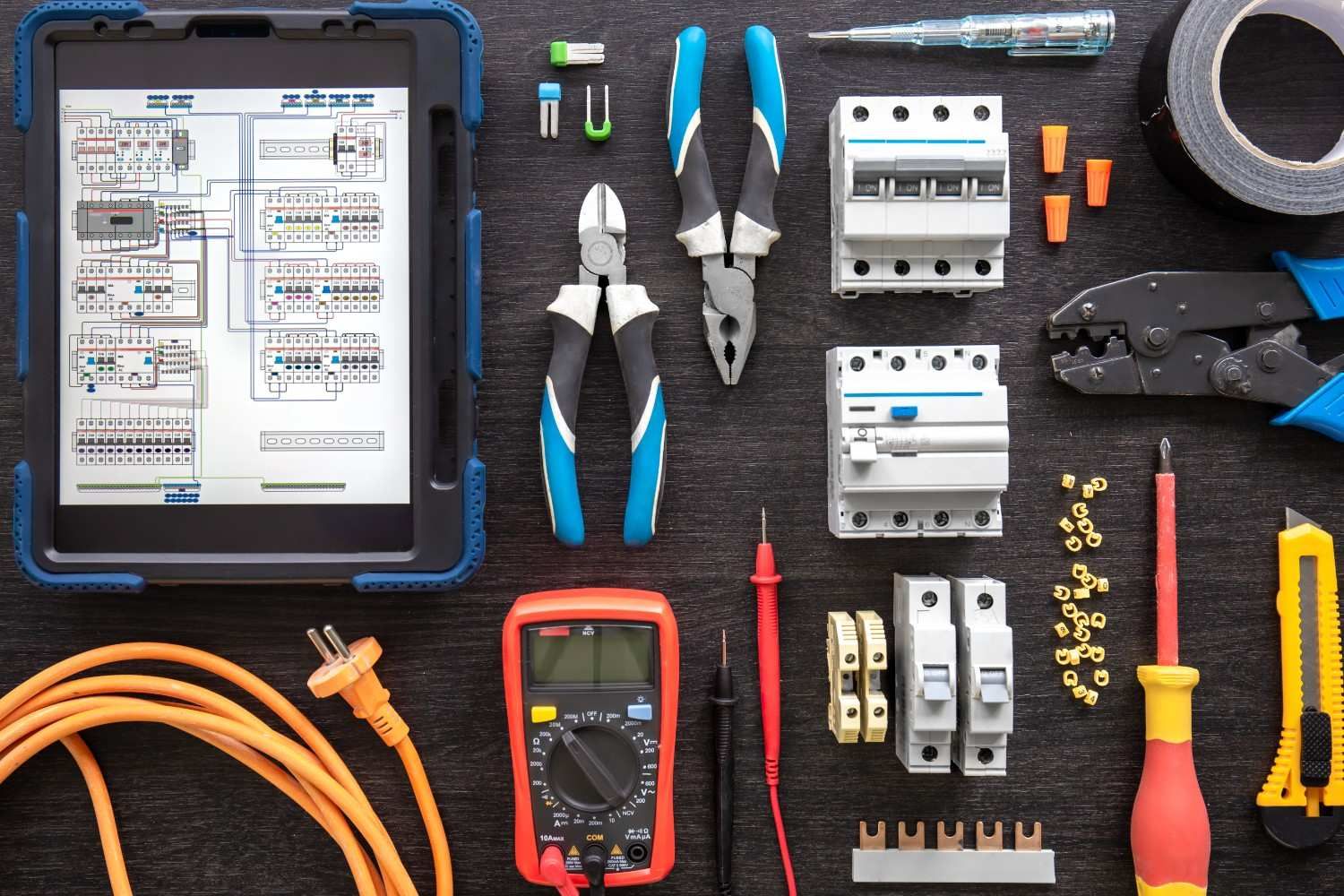
Common categories include switchgear, transformers, circuit protection devices, motor control systems, industrial automation components, and power management solutions. Together, these elements allow industries to operate efficiently while minimizing electrical risks.
Importance: Why Industrial Electrical Equipment Matters
Industrial electrical equipment plays a critical role in modern economic and industrial activity. Almost every sector that relies on machinery, automation, or large-scale energy usage depends on these systems.
Key reasons this topic matters today include:
-
Increasing reliance on automation and electrically driven machinery
-
Growing demand for energy efficiency and power optimization
-
Rising focus on operational safety and risk reduction
-
Expansion of infrastructure, manufacturing, and processing facilities
This equipment affects a wide range of stakeholders:
-
Engineers and technicians responsible for system design and maintenance
-
Facility managers overseeing safe and continuous operations
-
Industrial planners working on capacity expansion and modernization
-
Regulatory bodies focused on electrical safety and standardization
Problems solved by industrial electrical equipment include:
-
Preventing electrical overloads and short circuits
-
Ensuring controlled startup and shutdown of machinery
-
Maintaining power quality and reducing downtime
-
Protecting personnel and assets from electrical hazards
Without reliable industrial electrical systems, productivity, safety, and operational continuity would be severely compromised.
Recent Updates: Trends and Developments
In recent months, industrial electrical equipment has seen notable shifts driven by technology, efficiency goals, and system intelligence.
Key developments include:
-
Wider adoption of smart switchgear and digital monitoring systems that provide real-time operational data
-
Increased integration of industrial Internet of Things (IIoT) sensors for predictive maintenance
-
Advancements in energy-efficient motors and variable frequency drives to optimize power usage
-
Growing use of modular electrical panels to simplify upgrades and expansions
There has also been a noticeable emphasis on electrical system resilience. Industries are prioritizing fault detection, remote diagnostics, and condition-based monitoring to reduce unplanned shutdowns.
The trend toward electrification of industrial processes has further increased the demand for advanced power distribution and control equipment that can handle complex load profiles safely and efficiently.
Laws or Policies: Regulatory Influence on the Topic
Industrial electrical equipment is closely influenced by electrical standards, safety codes, and regulatory frameworks. These rules are designed to ensure safe design, installation, and operation of electrical systems across industrial environments.
Regulatory influence generally focuses on:
-
Electrical safety standards for equipment design and testing
-
Installation and wiring practices to prevent hazards
-
Periodic inspection and maintenance requirements
-
Compliance with energy efficiency and power quality guidelines
Government-backed programs often encourage the adoption of safer and more efficient electrical infrastructure. These programs may promote modernization of aging systems, improved electrical safety awareness, and alignment with internationally recognized technical standards.
Although regulations vary by region, the overall objective remains consistent: reducing electrical risks, protecting workers, and ensuring reliable industrial power systems.
Tools and Resources: Helpful References and Utilities
Several tools and resources support understanding, planning, and managing industrial electrical equipment.
Useful tools and platforms include:
-
Electrical load calculation tools for estimating power requirements
-
Short-circuit and fault current calculators for system design
-
Power quality analysis software for voltage and harmonic assessment
-
Equipment specification databases for technical comparison
-
Industrial automation simulation tools for control system planning
Reference resources that provide ongoing value:
-
Technical standards documentation for electrical systems
-
Engineering handbooks focused on industrial power distribution
-
Online learning platforms covering industrial electrical basics
-
Manufacturer-neutral knowledge portals explaining equipment functions
These tools help improve accuracy, safety, and efficiency throughout the lifecycle of industrial electrical systems.
Key Types of Industrial Electrical Equipment (Overview Table)
| Equipment Category | Primary Function | Typical Application |
|---|---|---|
| Switchgear | Power control and isolation | Industrial substations |
| Transformers | Voltage conversion | Power distribution |
| Circuit Protection Devices | Fault and overload protection | Machinery and panels |
| Motor Control Systems | Motor operation and safety | Pumps, conveyors |
| Automation Components | Process control | Manufacturing lines |
Energy Flow in an Industrial Electrical System (Simplified Representation)
| Stage | Description |
|---|---|
| Power Input | Electrical energy enters the facility |
| Voltage Regulation | Transformers adjust voltage levels |
| Distribution | Switchgear directs power to sections |
| Control | Controllers manage machine operations |
| Protection | Safety devices prevent damage |
FAQs: Common Questions Answered
What is the difference between industrial and residential electrical equipment?
Industrial electrical equipment is designed for higher power levels, continuous operation, and complex control needs, while residential equipment handles lower loads and simpler applications.
Why is circuit protection critical in industrial systems?
Circuit protection devices help prevent equipment damage, fires, and safety incidents caused by overloads or electrical faults.
How does industrial automation relate to electrical equipment?
Automation relies on electrical equipment to power sensors, controllers, and actuators that manage industrial processes with precision.
What role does power quality play in industrial operations?
Good power quality ensures stable voltage and frequency, reducing equipment stress, inefficiency, and unexpected interruptions.
Can industrial electrical systems support energy efficiency goals?
Yes, modern electrical equipment supports efficient power distribution, reduced losses, and optimized energy usage across operations.
Conclusion
Industrial electrical equipment is a foundational element of modern industry, enabling safe, efficient, and reliable power management across diverse applications. From basic power distribution to advanced automation support, these systems ensure that industrial operations function smoothly and safely.
As industries continue to evolve, the focus on intelligent monitoring, energy efficiency, and system resilience is shaping how electrical equipment is designed and used. Understanding the context, importance, regulatory influence, and available tools helps build a clearer picture of why this topic remains essential.
A well-informed approach to industrial electrical equipment contributes to safer workplaces, more reliable operations, and sustainable industrial growth over time.