Industrial Durability: Complete Guide, Basics, and Key Insights
Industrial durability refers to the ability of machinery, infrastructure, materials, and systems to perform reliably under demanding conditions over extended periods. It focuses on strength, resistance to wear, environmental tolerance, and consistent operational performance.
Industries such as manufacturing, construction, mining, logistics, and energy rely heavily on durable systems. Equipment operates under high pressure, vibration, extreme temperatures, and continuous loads. Durability engineering exists to reduce failure risks, extend equipment lifespan, and ensure stable industrial operations.
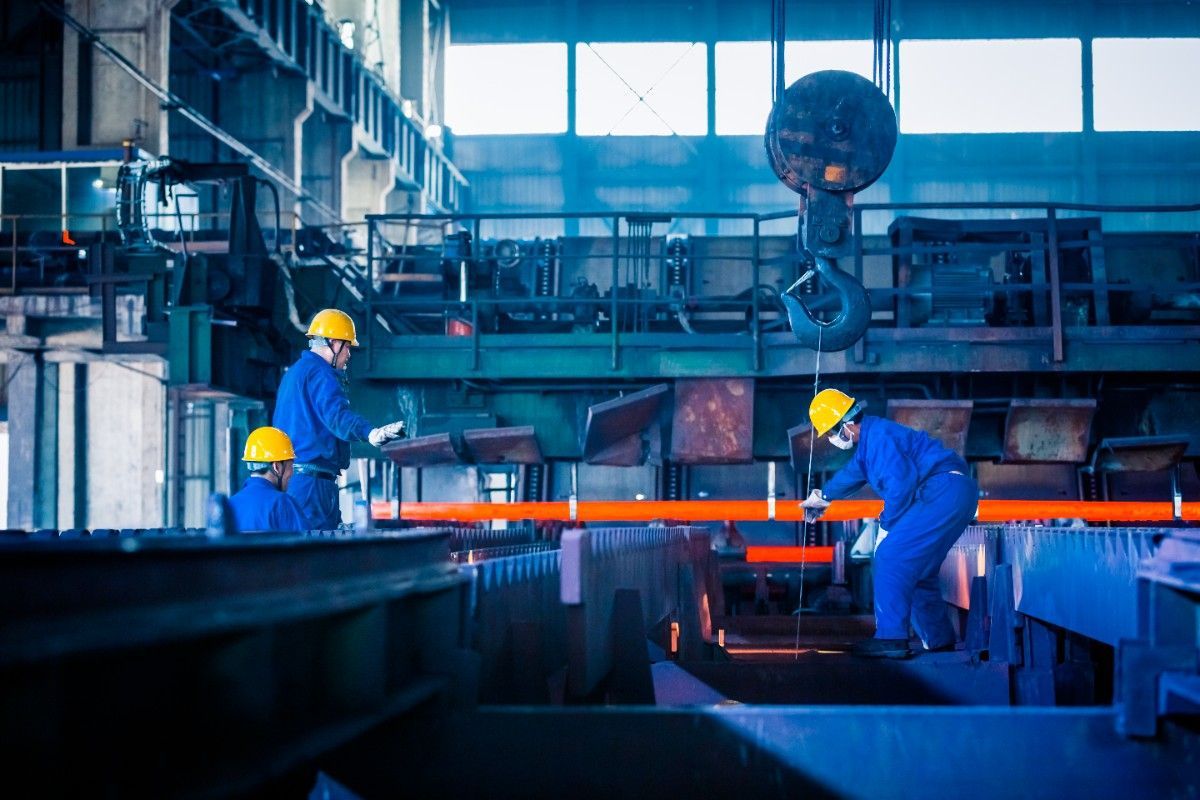
Understanding industrial durability involves studying materials science, reliability engineering, structural integrity testing, and maintenance strategy planning. It combines technical design principles with data-driven monitoring systems to support long-term asset performance.
Understanding the Context of Industrial Durability
Industrial environments are often harsh and unpredictable. Machines may operate in dusty factories, corrosive chemical plants, offshore facilities, or high-temperature production lines. These conditions increase stress on components.
Durability is not only about building strong machines. It involves:
-
Selecting high-performance industrial materials
-
Designing systems to withstand repetitive loads
-
Implementing preventive and predictive maintenance
-
Monitoring performance through industrial IoT systems
Modern industrial durability strategies rely on reliability engineering models that predict potential failure points. Engineers analyze stress distribution, fatigue cycles, corrosion exposure, and operational data to improve equipment lifespan optimization.
In infrastructure projects, durability planning includes long-term structural integrity, environmental impact assessment, and compliance with industrial safety standards. In manufacturing plants, durability ensures stable output and reduced downtime.
Why Industrial Durability Matters Today
Industrial durability has become more important due to increasing automation, digital transformation, and global supply chain complexity.
Short equipment lifespans lead to:
-
Production disruptions
-
Increased maintenance frequency
-
Safety risks
-
Operational inefficiencies
Organizations focus on asset lifecycle management to improve reliability and performance benchmarking. Durable systems support sustainable operations by reducing material waste and extending operational cycles.
Industrial durability affects:
-
Plant managers and maintenance teams
-
Engineers and infrastructure planners
-
Compliance officers
-
Risk management professionals
-
Supply chain coordinators
The shift toward predictive maintenance and smart manufacturing has strengthened the role of industrial risk management. Sensors and analytics platforms now track temperature, vibration, pressure, and load data in real time.
Below is a simple comparison of maintenance strategies and durability impact:
| Maintenance Type | Approach Description | Impact on Durability | Downtime Risk |
|---|---|---|---|
| Reactive Maintenance | Repair after failure | Low | High |
| Preventive Maintenance | Scheduled inspections and servicing | Moderate | Medium |
| Predictive Maintenance | Data-driven monitoring and analytics | High | Low |
Predictive maintenance supports equipment lifespan optimization and reduces unexpected breakdowns. As industrial operations grow more complex, durability planning becomes essential for stable performance.
Recent Updates and Emerging Trends
Industrial durability has evolved due to advancements in digital technology and material science.
Recent industry developments include:
-
Increased adoption of AI-driven predictive analytics in manufacturing plants
-
Expansion of industrial IoT sensors for real-time condition monitoring
-
Use of advanced composite materials and corrosion-resistant alloys
-
Growth of digital twin simulations for structural stress testing
-
Greater focus on sustainability and environmental durability standards
In recent months, industrial automation platforms have integrated advanced reliability dashboards to track mean time between failures (MTBF) and asset health indicators. Infrastructure projects increasingly use digital twin technology to simulate long-term wear under different load scenarios.
Additive manufacturing has also influenced durability design. Engineers now test customized components for improved stress distribution before physical deployment.
Environmental resilience has become a key theme. Industrial facilities are adapting materials and coatings to withstand climate-related stress, including temperature fluctuations and humidity exposure.
Laws and Policy Influence on Industrial Durability
Industrial durability is closely connected to regulatory frameworks that focus on safety, environmental protection, and operational standards.
Industrial systems must comply with:
-
Occupational safety regulations
-
Structural integrity standards
-
Environmental compliance requirements
-
Equipment certification guidelines
-
Industrial risk assessment mandates
Many regulatory bodies establish standards for pressure vessels, electrical systems, mechanical components, and structural materials. Compliance ensures that machinery meets durability and safety thresholds before operational approval.
Environmental policies influence material selection and corrosion protection standards. Emission regulations and sustainability initiatives encourage industries to adopt durable materials that minimize waste and reduce lifecycle environmental impact.
Quality management systems such as ISO-based industrial standards require documentation of maintenance procedures, inspection intervals, and risk mitigation plans. These policies reinforce systematic durability planning.
Tools and Resources for Industrial Durability Management
Modern durability management relies on digital tools, testing methods, and analytical platforms.
Common tools and resources include:
-
Predictive maintenance software platforms
-
Industrial IoT sensor networks
-
Vibration analysis tools
-
Thermal imaging systems
-
Structural integrity simulation software
-
Asset lifecycle management dashboards
-
Failure mode and effects analysis (FMEA) templates
-
Reliability block diagram software
Below is a simplified overview of digital durability tools:
| Tool Category | Primary Purpose |
|---|---|
| IoT Condition Monitoring | Real-time equipment performance tracking |
| Reliability Engineering Software | Failure prediction modeling |
| Asset Lifecycle Management Tools | Maintenance scheduling and planning |
| Structural Simulation Platforms | Stress and fatigue testing |
| Data Analytics Dashboards | Performance benchmarking |
Some widely recognized global standards organizations influencing industrial durability practices include:
-
International Organization for Standardization
-
American Society for Testing and Materials
-
Occupational Safety and Health Administration
These organizations publish testing standards, compliance frameworks, and safety guidelines that support durable industrial system design.
Engineers also use stress-strain analysis software, corrosion modeling platforms, and non-destructive testing (NDT) methods such as ultrasonic inspection and magnetic particle testing to evaluate material durability without damaging components.
Frequently Asked Questions
What is industrial durability in simple terms?
Industrial durability refers to the ability of machinery, materials, and infrastructure to operate reliably under demanding conditions for long periods without failure.
How does predictive maintenance improve durability?
Predictive maintenance uses sensor data and analytics to detect early signs of wear or malfunction. This allows timely intervention before serious damage occurs, extending equipment lifespan.
What factors affect equipment lifespan optimization?
Key factors include material quality, environmental exposure, operational load, maintenance frequency, lubrication practices, and design efficiency.
How is industrial durability related to sustainability?
Durable systems reduce material waste, extend asset life, and lower the frequency of replacements. This supports environmental goals and resource efficiency.
What is structural integrity testing?
Structural integrity testing evaluates whether a component can withstand operational stress, fatigue, corrosion, and environmental exposure without failure.
Conclusion
Industrial durability is a foundational element of modern industrial operations. It connects material science, reliability engineering, predictive maintenance, and compliance standards into a unified strategy.
As automation and digital transformation continue to reshape industrial environments, durability planning becomes increasingly data-driven. Advanced monitoring systems, AI-based analytics, and structural simulations enable proactive risk management and improved asset lifecycle management.
By focusing on performance benchmarking, equipment lifespan optimization, and regulatory alignment, industries can strengthen operational resilience and ensure consistent long-term productivity.