Industrial Design Projects Explained: Learn Concepts, Tips & Resources
Industrial design projects focus on creating and improving physical products used in daily life. These projects combine creativity, engineering, ergonomics, and problem-solving to develop items such as furniture, appliances, tools, vehicles, and consumer electronics.
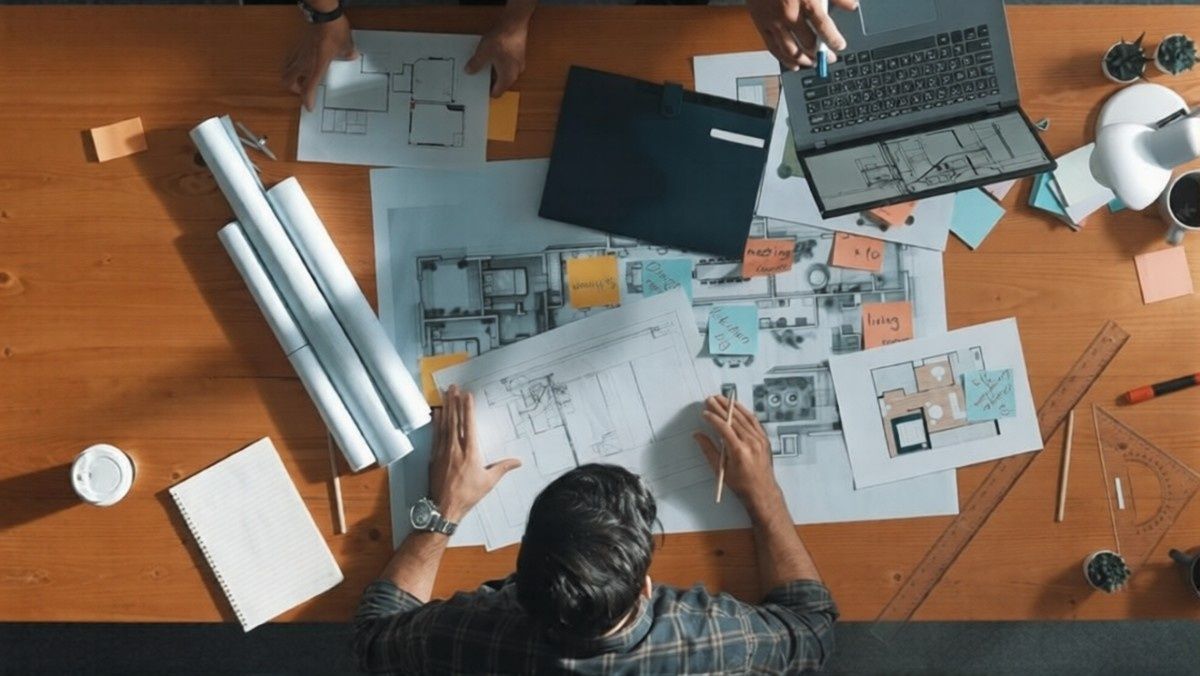
The main goal is to design products that are functional, visually appealing, safe, and user-friendly. Industrial design exists because people need better solutions for everyday challenges—whether it is improving comfort, efficiency, or usability.
Industrial designers typically work through a structured process:
-
Research user needs and behavior
-
Create sketches and concepts
-
Develop 3D models and prototypes
-
Test usability and performance
-
Refine the design for production
This process helps transform ideas into real-world products that meet both human needs and technical requirements.
Importance – Why Industrial Design Matters Today
Industrial design plays a major role in shaping modern life. Almost every product used daily has gone through a design process. From smartphones to kitchen tools, good design improves usability, efficiency, and overall experience.
Key reasons why industrial design projects are important:
-
Improve user experience through ergonomic and intuitive design
-
Enhance product efficiency and functionality
-
Support innovation in manufacturing and materials
-
Reduce environmental impact with sustainable design practices
-
Strengthen product identity and differentiation
Industrial design affects multiple groups:
-
Consumers benefit from safer and easier-to-use products
-
Businesses gain competitive advantage through better design
-
Engineers and manufacturers rely on optimized design for production
Below is a simple comparison of traditional vs modern industrial design approaches:
| Aspect | Traditional Design | Modern Industrial Design |
|---|---|---|
| Focus | Function only | Function + User Experience |
| Tools | Manual sketches | CAD & simulation software |
| Materials | Limited options | Advanced & sustainable materials |
| Testing | Basic testing | Data-driven prototyping |
| User Involvement | Minimal | User-centered design |
Modern industrial design integrates technology and data to create smarter, more efficient products.
Recent Updates – Trends and Developments
Industrial design continues to evolve with advancements in technology and changing user expectations. Several key trends have shaped the field recently.
One major trend is the use of digital prototyping and simulation tools. Designers can now test ideas virtually before creating physical prototypes, saving time and resources.
Another important development is the rise of sustainable design. Many projects now focus on reducing waste, using recyclable materials, and improving product lifecycle.
Emerging trends include:
-
Integration of artificial intelligence in design processes
-
Use of generative design for automated concept creation
-
Growth of smart and connected products (IoT devices)
-
Increased use of 3D printing for rapid prototyping
-
Focus on minimalistic and user-centered design
Here is a simple trend overview:
| Trend | Impact on Industrial Design |
|---|---|
| Digital Prototyping | Faster and more accurate testing |
| Sustainable Materials | Reduced environmental impact |
| AI-Based Design | Automated and optimized solutions |
| 3D Printing | Rapid and flexible prototyping |
| Smart Products | Enhanced functionality and connectivity |
These trends reflect how industrial design is becoming more data-driven, efficient, and environmentally responsible.
Laws or Policies – Regulations and Guidelines
Industrial design projects are influenced by various regulations and standards to ensure safety, quality, and compliance. These rules help protect users and ensure products meet required performance levels.
Common regulatory areas include:
-
Product safety standards to prevent hazards
-
Material regulations for environmental and health safety
-
Intellectual property protection for design ownership
-
Manufacturing guidelines for quality control
-
Accessibility standards for inclusive design
Designers must also consider compliance requirements such as:
-
Safety certifications for electrical and mechanical products
-
Environmental guidelines related to waste and emissions
-
Packaging and labeling standards
Policies often encourage sustainable practices and innovation, guiding designers to create products that are both effective and responsible.
Tools and Resources – Useful Platforms and Technologies
Industrial design projects rely heavily on specialized tools and resources to streamline the design process. These tools help with visualization, modeling, testing, and collaboration.
Commonly used tools include:
-
CAD software for 2D and 3D modeling
-
Simulation tools for testing performance and durability
-
Rendering software for realistic product visualization
-
Prototyping tools for physical model creation
Popular types of resources:
-
Design templates for concept development
-
Material libraries for selecting appropriate components
-
Online learning platforms for skill development
-
Collaboration tools for team-based projects
Example tool comparison:
| Tool Type | Purpose | Benefit |
|---|---|---|
| CAD Software | Create detailed designs | Precision and accuracy |
| Rendering Tools | Visualize final product | Better presentation |
| Simulation Tools | Test functionality | Reduced risk |
| Prototyping Tools | Build physical models | Real-world testing |
Using the right tools improves efficiency, reduces errors, and enhances overall project quality.
FAQs – Common Questions About Industrial Design Projects
What is the main goal of an industrial design project?
The main goal is to create products that are functional, user-friendly, visually appealing, and suitable for manufacturing.
Do industrial designers need technical skills?
Yes, industrial designers require both creative and technical skills, including knowledge of materials, engineering basics, and design software.
How long does an industrial design project take?
The duration varies depending on complexity, but projects typically move through research, design, prototyping, and testing stages.
What industries use industrial design?
Industries include consumer electronics, automotive, furniture, healthcare equipment, and household products.
What is the role of sustainability in industrial design?
Sustainability focuses on reducing environmental impact by using eco-friendly materials, improving energy efficiency, and extending product lifespan.
Conclusion
Industrial design projects are an essential part of modern product development. They combine creativity, technology, and problem-solving to create solutions that improve everyday life.
With the growing influence of digital tools, sustainability, and user-centered design, industrial design continues to evolve and adapt to new challenges. Understanding the concepts, tools, and processes involved helps individuals and organizations develop better products that meet current needs and future demands.