Industrial Cleaning Equipment Guide: Overview, Facts, and Practical Insights
Industrial cleaning equipment refers to machines and tools designed to remove dirt, residues, contaminants, and waste from large-scale facilities such as factories, warehouses, processing plants, laboratories, and transport hubs. These environments generate heavy soil loads, oils, dust, chemicals, and biological residues that cannot be managed effectively with household-grade tools.
The topic exists because industrial activity, by its nature, creates complex cleaning challenges. As production volumes grow and facilities become more automated, surfaces, machinery, and air systems require consistent and controlled cleaning. Industrial cleaning equipment evolved to address safety, hygiene, efficiency, and environmental concerns in settings where manual cleaning is limited or impractical.
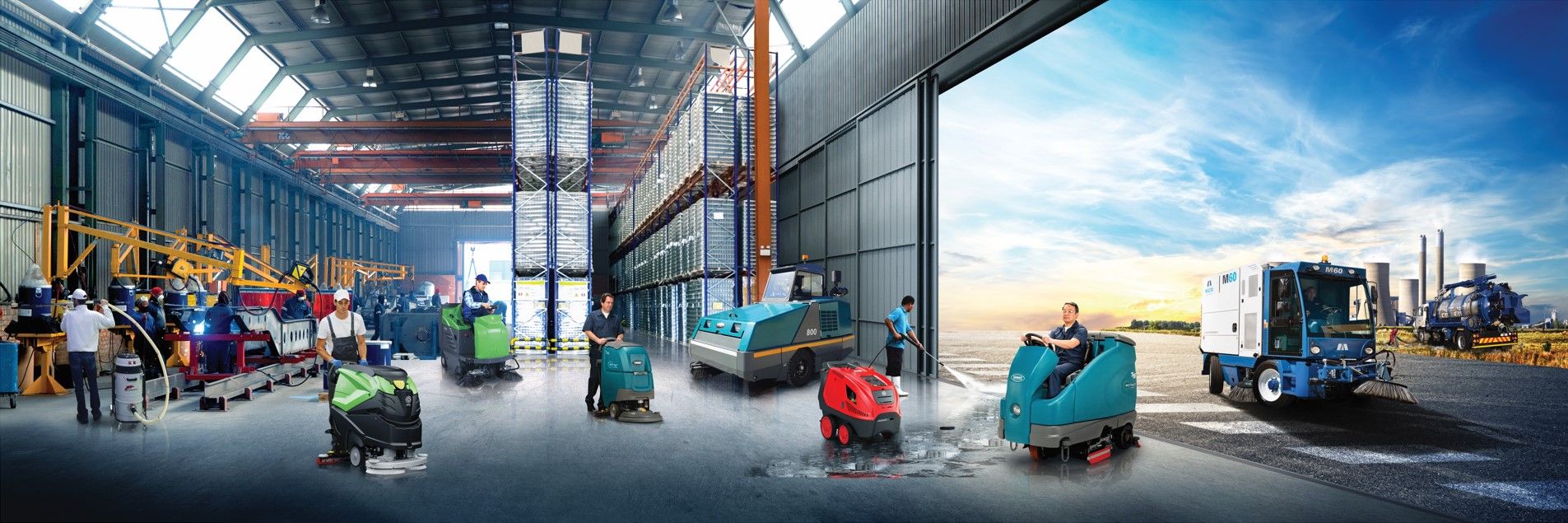
Importance
Industrial cleaning equipment matters today because it directly affects health, safety, productivity, and environmental responsibility. It plays a role across many sectors, including manufacturing, food processing, healthcare, logistics, and energy.
Key reasons it is important include:
-
Workplace safety: Removing oils, dust, and residues helps reduce slips, fires, and equipment malfunctions.
-
Operational efficiency: Clean machinery performs more consistently and experiences fewer interruptions.
-
Regulatory compliance: Many industries must meet cleanliness and hygiene standards to operate legally.
-
Environmental protection: Proper cleaning helps control hazardous waste and prevents contamination of air and water systems.
People affected include facility operators, maintenance teams, health and safety managers, inspectors, and nearby communities. The equipment helps solve problems such as contamination risks, equipment wear, and unsafe working conditions.
Recent Updates
In recent months, industrial cleaning equipment has seen several notable developments driven by technology and sustainability goals.
Common updates and trends include:
-
Automation and robotics: Autonomous floor scrubbers and robotic vacuums are increasingly used in large facilities to maintain consistent cleaning cycles.
-
Water-efficient systems: Equipment designed to reduce water usage while maintaining cleaning effectiveness has gained attention due to environmental concerns.
-
Smart monitoring: Sensors and digital dashboards now track machine usage, maintenance needs, and cleaning performance.
-
Improved filtration: Advanced filtration systems help capture finer dust and airborne particles, supporting better indoor air quality.
These updates reflect a broader shift toward efficiency, data-driven maintenance, and reduced environmental impact without changing the fundamental purpose of industrial cleaning equipment.
Laws or Policies
Industrial cleaning equipment is influenced by general safety, environmental, and occupational health regulations rather than a single dedicated law. Rules typically focus on outcomes such as safe workplaces, controlled emissions, and proper waste handling.
Common regulatory themes include:
-
Occupational safety standards: Guidelines that require clean, hazard-free working environments.
-
Environmental protection rules: Limits on chemical discharge, wastewater contamination, and airborne pollutants.
-
Industry-specific hygiene requirements: Especially relevant for food, pharmaceutical, and healthcare facilities.
Organizations such as Occupational Safety and Health Administration and Environmental Protection Agency influence how cleanliness, waste handling, and exposure limits are defined globally, even when local frameworks differ. These policies shape equipment design and cleaning procedures without prescribing specific brands or technologies.
Tools and Resources
A variety of tools and resources support the understanding and effective use of industrial cleaning equipment.
Helpful categories include:
-
Maintenance planning tools: Digital logs and scheduling software for tracking cleaning cycles and equipment condition.
-
Safety data resources: Databases that explain chemical compatibility and safe handling practices.
-
Energy and water calculators: Tools that estimate consumption based on machine type and usage patterns.
-
Technical documentation libraries: Manufacturer manuals and standardized cleaning guidelines.
-
Training platforms: Educational portals offering equipment operation and safety awareness modules.
These resources help users make informed decisions, maintain consistency, and reduce operational risks.
Common Types of Industrial Cleaning Equipment
The table below provides an overview of widely used equipment categories and their typical applications.
| Equipment Type | Primary Function | Typical Environments |
|---|---|---|
| Floor scrubbers | Mechanical floor cleaning | Warehouses, factories |
| Industrial vacuums | Dust and debris removal | Workshops, plants |
| Pressure washers | High-force surface cleaning | Equipment yards |
| Steam cleaners | Sanitization and grease removal | Food processing |
| Air filtration units | Particle and fume control | Laboratories |
Efficiency and Impact Comparison
The following table highlights how different equipment types generally compare in terms of efficiency focus.
| Focus Area | Mechanical Scrubbers | Pressure Systems | Steam-Based Systems |
|---|---|---|---|
| Water usage | Moderate | High | Low |
| Chemical reliance | Low to moderate | Moderate | Low |
| Surface suitability | Flat surfaces | Hard, durable surfaces | Sensitive or hygienic areas |
FAQs
What makes industrial cleaning equipment different from household tools?
Industrial equipment is built for durability, larger surface areas, continuous use, and handling heavy or hazardous residues that household tools cannot manage safely.
Is industrial cleaning equipment only used in factories?
No. It is also used in healthcare facilities, transport hubs, laboratories, food processing units, and large commercial buildings.
How often is industrial cleaning equipment typically used?
Usage depends on the environment. Some facilities operate equipment daily, while others use it periodically based on production cycles and contamination risks.
Does industrial cleaning equipment reduce environmental impact?
When used correctly, modern equipment can reduce water, chemical, and energy usage compared to manual or outdated methods.
Is specialized training required to operate this equipment?
Basic training is usually recommended to ensure safe operation, proper maintenance, and compliance with safety guidelines.
Conclusion
Industrial cleaning equipment plays a foundational role in maintaining safe, efficient, and compliant industrial environments. Its purpose goes beyond appearance, addressing hygiene, safety, and environmental responsibility. Recent developments emphasize automation, resource efficiency, and data-driven management, reflecting broader industrial priorities.
Understanding the context, importance, regulatory influence, and available resources helps organizations and individuals appreciate why industrial cleaning equipment remains essential across many sectors. With proper knowledge and responsible use, these tools support cleaner operations and healthier working environments.