Industrial Chemicals Explained: From Manufacturing to Everyday Products
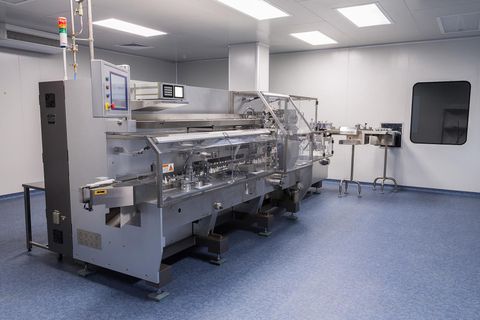
Industrial chemicals play a central role in modern life, even though they are often invisible to the general public. These substances are produced through controlled processes in factories and are later used to create materials, components, and everyday items such as plastics, cleaning agents, textiles, and electronics. Alongside chemical production, industrial automation has evolved to monitor and manage these processes efficiently.
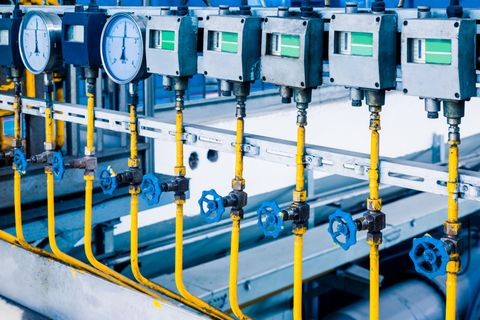
Automation systems rely heavily on sensing technologies. Devices such as proximity switch industrial tools, machine safety proximity sensor units, and PLC proximity sensor systems help detect movement, position, and presence of objects without direct contact. These sensors are widely used in manufacturing plants, where precision and safety are essential.
The development of smart manufacturing sensors has further improved how industrial chemicals are produced and handled. These sensors provide real-time data, allowing systems to adjust conditions such as temperature, pressure, and chemical composition. Industrial sensor supplier networks support this ecosystem by providing components that integrate into larger automated systems.
Together, industrial chemicals and sensor technologies form a foundation for modern production, enabling consistent quality, efficient resource use, and safer working environments.
Importance
Industrial chemicals and their associated monitoring technologies affect many aspects of daily life. From the packaging of food to the construction of buildings, these materials are essential to maintaining modern infrastructure and consumer goods.
Everyday Applications
Industrial chemicals are used in various sectors, including:
- Household products, such as detergents and disinfectants, rely on chemical formulations for effectiveness
- Construction materials, including cement additives and coatings, depend on chemical processes
- Electronics manufacturing uses specialized chemicals for circuit boards and semiconductors
Sensors, including proximity switch industrial devices, ensure these processes operate smoothly by detecting the presence or absence of materials on production lines.
Safety and Efficiency
Safety is a major concern in environments where chemicals are handled. A machine safety proximity sensor can detect whether a worker or object is too close to hazardous machinery, helping prevent accidents. These sensors are often integrated into automated shutdown systems.
Efficiency is another key factor. A PLC proximity sensor, connected to programmable logic controllers, enables machines to respond quickly to changes. For example, if a chemical container is misplaced, the system can halt operations to avoid errors or contamination.
Environmental Impact
Industrial processes can have environmental consequences if not properly managed. Smart manufacturing sensors allow facilities to monitor emissions, waste output, and energy consumption. This data helps reduce environmental impact by optimizing resource usage and minimizing waste.
Recent Updates
Between 2024 and 2026, several trends have shaped the industrial chemical and sensor landscape. These developments reflect broader changes in technology, sustainability, and global manufacturing practices.
Integration of Smart Technologies
The adoption of smart manufacturing sensors has increased significantly. These sensors are now often connected to cloud-based platforms, enabling remote monitoring and predictive maintenance. This means potential issues can be identified before they lead to equipment failure.
Growth of Automation
Automation systems are becoming more advanced, with PLC proximity sensor integration playing a central role. These systems can coordinate multiple processes simultaneously, improving consistency in chemical production.
Focus on Sustainability
Industries are placing greater emphasis on reducing environmental impact. This includes:
- Using alternative raw materials that are less harmful to ecosystems
- Implementing closed-loop systems to recycle chemical waste
- Monitoring emissions using advanced sensor networks
Advances in Sensor Design
Modern proximity switch industrial devices are more compact and durable. They are designed to operate in harsh environments, including high temperatures and corrosive conditions often found in chemical plants.
Data-Driven Manufacturing
Data analytics has become an important tool in industrial settings. Information collected by sensors is analyzed to improve production efficiency, detect anomalies, and ensure product quality.
Laws or Policies
Industrial chemical production and sensor usage are regulated by various laws and policies to ensure safety, environmental protection, and quality standards. In India, these regulations are shaped by multiple government bodies.
Chemical Safety Regulations
The Manufacture, Storage and Import of Hazardous Chemical Rules govern how chemicals are handled and stored. These rules require facilities to implement safety measures, including monitoring systems that often rely on machine safety proximity sensor technology.
Environmental Guidelines
The Environment Protection Act sets standards for emissions and waste management. Industries must monitor their output and maintain records, often using smart manufacturing sensors to track compliance.
Workplace Safety Standards
Factories must follow occupational safety regulations under the Factories Act. These include:
- Installing safety devices to prevent accidents
- Maintaining proper ventilation and hazard controls
- Using sensors to detect unsafe conditions
Automation and Equipment Standards
Equipment used in industrial settings must meet certain technical standards. PLC proximity sensor systems are often required to comply with electrical and safety certifications to ensure reliable operation.
Data and Digital Systems
As manufacturing becomes more connected, data handling policies are also relevant. Systems that collect and process sensor data must ensure accuracy and security, especially when integrated with digital platforms.
Tools and Resources
A variety of tools and platforms support the use of industrial chemicals and sensor technologies. These resources help engineers, operators, and researchers manage complex processes.
Simulation Software
Simulation tools allow users to model chemical reactions and production systems before implementing them in real environments. This reduces errors and improves planning.
Sensor Configuration Platforms
Many industrial sensor supplier networks provide software for configuring and calibrating sensors. These platforms help ensure that proximity switch industrial devices and other sensors operate correctly within a system.
Data Monitoring Dashboards
Dashboards display real-time data from sensors, including temperature, pressure, and object detection. These tools are essential for monitoring chemical processes and ensuring safety.
Training and Documentation
Educational resources, including manuals and online courses, help workers understand how to use PLC proximity sensor systems and other automation tools effectively.
Comparison Table of Common Industrial Sensors
| Sensor Type | Function | Typical Use Case |
|---|---|---|
| Proximity Sensor | Detects object presence | Assembly lines, packaging systems |
| Temperature Sensor | Measures heat levels | Chemical reactions, storage tanks |
| Pressure Sensor | Monitors pressure changes | Pipelines, reactors |
| Optical Sensor | Detects light or visual changes | Quality inspection |
| Gas Sensor | Identifies gas presence | Leak detection, safety monitoring |
These tools and resources contribute to safer and more efficient industrial environments.
FAQs
What is a proximity switch industrial device?
A proximity switch industrial device is a sensor used to detect the presence of an object without physical contact. It is commonly used in automated systems to monitor movement or position on production lines.
How does a machine safety proximity sensor improve workplace safety?
A machine safety proximity sensor detects when a person or object is too close to hazardous equipment. It can trigger alerts or stop machinery to reduce the risk of accidents.
What role does a PLC proximity sensor play in automation?
A PLC proximity sensor connects to a programmable logic controller, allowing machines to respond automatically to changes. It helps maintain accuracy and consistency in industrial processes.
Who provides components for industrial sensor systems?
An industrial sensor supplier provides various types of sensors and related equipment used in manufacturing and automation systems. These suppliers support integration into larger operational frameworks.
What are smart manufacturing sensors used for?
Smart manufacturing sensors collect and transmit data about industrial processes. They help monitor conditions, improve efficiency, and support predictive maintenance in modern production systems.
Conclusion
Industrial chemicals and sensor technologies are closely linked in modern manufacturing. They enable the production of essential materials while maintaining safety and efficiency. Devices such as proximity sensors and automated systems play a key role in monitoring and controlling industrial processes. Recent developments have focused on smarter, more connected systems that improve both productivity and environmental outcomes. Understanding these elements helps explain how everyday products are created and managed.