Identity and Access Management (IAM): Complete Guide, Basics, and Key Insights
Identity and Access Management (IAM) is a cybersecurity framework that ensures the right individuals and systems can access the right digital resources at the right time. It focuses on identifying users, verifying their identities, and controlling what they are allowed to do within an organization’s systems.
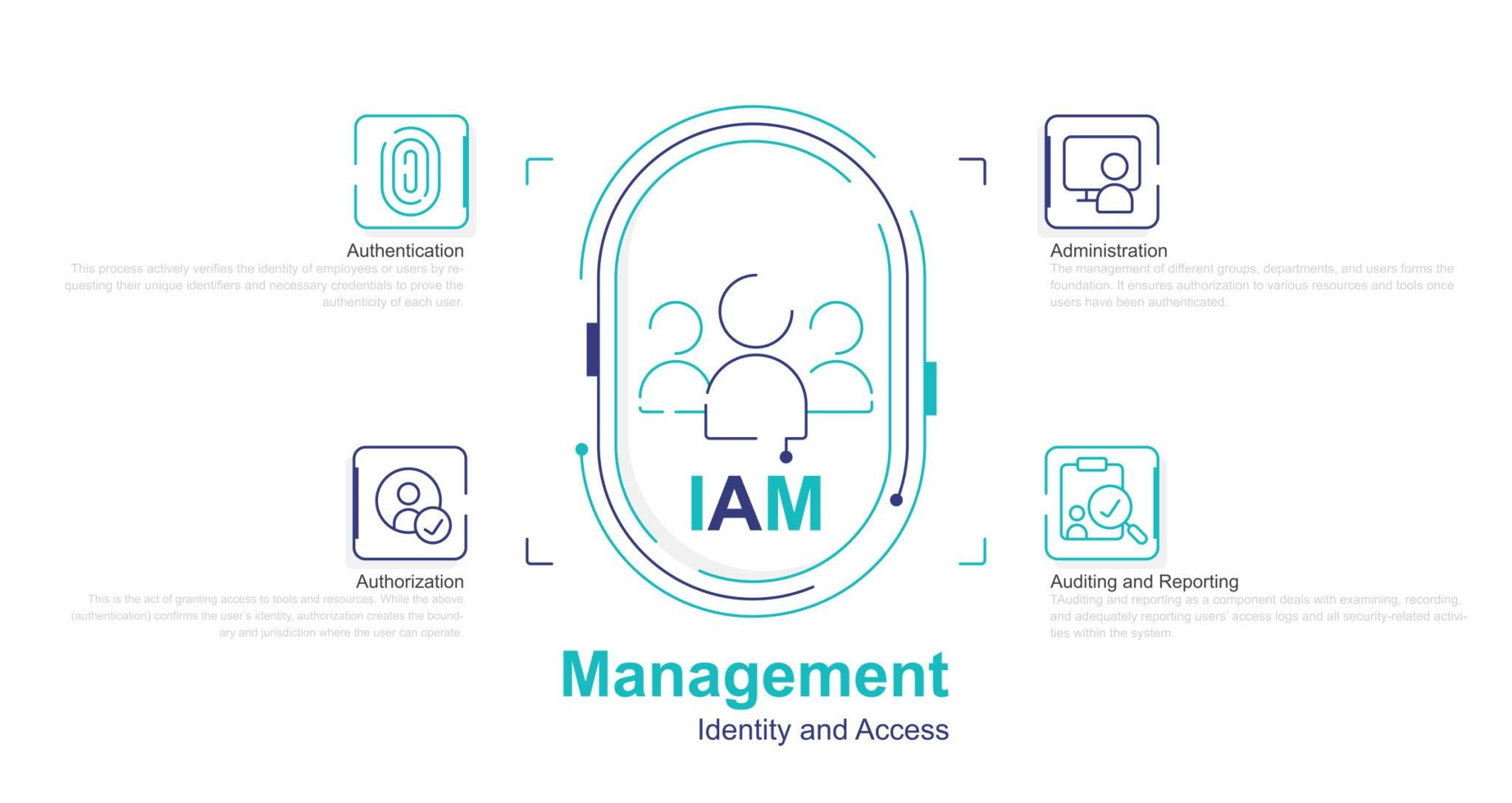
IAM exists because modern organizations operate across cloud computing platforms, remote work environments, mobile devices, and interconnected networks. Without structured access control systems, sensitive information such as financial records, healthcare data, and intellectual property could be exposed to unauthorized users.
IAM typically involves two core functions:
• Authentication – confirming who a user is
• Authorization – determining what a user is allowed to access
These processes help protect digital assets while maintaining operational efficiency.
Core Components of IAM
Below is a simplified overview of how IAM components work together.
| Component | Purpose | Example |
|---|---|---|
| Authentication | Verifies identity | Password, biometric login |
| Multi-Factor Authentication (MFA) | Adds extra verification layer | OTP, authenticator app |
| Authorization | Grants access rights | Role-based permissions |
| Directory Services | Stores identity data | User databases |
| Single Sign-On (SSO) | One login for multiple systems | Enterprise dashboard login |
| Privileged Access Management (PAM) | Controls high-level accounts | Admin account monitoring |
These components are essential in cloud security, enterprise cybersecurity strategy, and regulatory compliance management.
Why Identity and Access Management Matters Today
IAM has become central to cybersecurity compliance and data protection strategies. As organizations adopt cloud infrastructure and digital transformation initiatives, identity becomes the new security perimeter.
Several trends make IAM especially important:
• Growth of remote and hybrid work environments
• Expansion of cloud-based applications
• Increase in cyber threats such as phishing and credential theft
• Rising compliance requirements for data privacy
IAM affects:
• Enterprises managing customer and employee data
• Financial institutions handling sensitive transactions
• Healthcare providers storing medical records
• Government agencies securing public services
• Educational institutions operating digital platforms
Without proper IAM security controls, organizations face risks such as:
• Data breaches
• Insider threats
• Unauthorized system access
• Regulatory penalties
• Operational disruptions
The shift toward Zero Trust Architecture reinforces IAM’s importance. Zero trust assumes that no user or device should automatically be trusted, even inside the network. Every access request must be verified continuously.
Recent Developments and Industry Trends
Passwordless Authentication Adoption
Organizations are increasingly moving toward passwordless authentication methods. These include biometric verification, hardware security keys, and cryptographic login systems. Passwordless models aim to reduce phishing risks and credential-based attacks.
Artificial Intelligence in IAM
Artificial intelligence and machine learning are being integrated into IAM systems. These technologies analyze user behavior patterns and detect anomalies such as unusual login times or suspicious locations.
Identity Threat Detection and Response (ITDR)
Identity-focused threat detection tools are emerging as a new cybersecurity layer. These tools monitor compromised credentials and abnormal privilege escalation attempts.
Cloud-Native IAM Expansion
Major cloud providers have enhanced identity governance features. Organizations are prioritizing centralized identity management across multi-cloud and hybrid cloud environments.
These updates reflect a broader shift from perimeter-based security to identity-centric cybersecurity frameworks.
Regulatory and Policy Considerations
IAM systems are closely connected to global data protection regulations and cybersecurity standards. Organizations must align IAM practices with legal and policy frameworks.
Common regulatory themes affecting IAM include:
• Data protection and privacy requirements
• Access logging and audit trails
• User consent management
• Breach notification obligations
• Least privilege access enforcement
Several global regulatory frameworks influence IAM strategies:
• General Data Protection Regulation
• Health Insurance Portability and Accountability Act
• California Consumer Privacy Act
• Payment Card Industry Data Security Standard
Organizations often implement:
• Role-Based Access Control (RBAC)
• Attribute-Based Access Control (ABAC)
• Regular access reviews
• Identity lifecycle management processes
Compliance is not just about avoiding penalties; it also strengthens data governance and risk management.
Tools and Resources for IAM Management
Many enterprise-grade IAM tools support identity governance, authentication management, and access control automation.
Common IAM platforms include:
• Microsoft Entra ID
• Okta
• AWS Identity and Access Management
• Google Cloud Identity
These platforms typically provide:
• Single Sign-On (SSO) integration
• Multi-Factor Authentication (MFA)
• Identity governance dashboards
• Audit and compliance reporting
• Conditional access policies
Additional resources include:
• Cybersecurity risk assessment templates
• Access review documentation checklists
• IAM maturity models
• Security awareness training materials
Organizations also use cybersecurity compliance software to automate policy enforcement and reporting.
IAM Maturity Overview
Organizations often assess their IAM strategy using a maturity model.
| Maturity Level | Characteristics |
|---|---|
| Basic | Manual account creation, password-only security |
| Developing | MFA enabled, partial access controls |
| Advanced | Automated provisioning, centralized IAM |
| Optimized | Zero trust implementation, AI-driven monitoring |
Moving toward advanced IAM maturity strengthens cloud security posture and reduces cyber risk exposure.
Frequently Asked Questions (FAQs)
What is the difference between authentication and authorization?
Authentication verifies identity, such as confirming a password or biometric scan. Authorization determines what resources a verified user can access within a system.
How does Multi-Factor Authentication improve cybersecurity?
Multi-Factor Authentication adds additional verification steps beyond passwords. Even if credentials are compromised, attackers are less likely to gain access without the second factor.
What is privileged access management?
Privileged Access Management (PAM) focuses on monitoring and controlling accounts with elevated permissions, such as administrators. These accounts present higher risk if misused.
How does IAM support regulatory compliance?
IAM creates structured access control, audit logs, and reporting mechanisms that align with data protection regulations and cybersecurity standards.
Is IAM only relevant for large enterprises?
No. Small and medium organizations also benefit from structured identity governance, especially when using cloud applications or handling sensitive information.
Conclusion
Identity and Access Management is a foundational element of modern cybersecurity strategy. As digital ecosystems expand and cloud security challenges increase, identity has become the central control point for protecting systems and data.
IAM integrates authentication, authorization, privileged access control, and regulatory compliance into a unified framework. Recent developments such as passwordless authentication, AI-driven monitoring, and zero trust architecture reflect the growing importance of identity-based security.