Hydraulic Machines: Complete Guide to Basics, Working Principles & Key Insights
Hydraulic machines are mechanical systems that use liquid pressure to generate force and motion. They operate on the principle that liquids are nearly incompressible and can transmit force efficiently from one point to another. This concept is often associated with Blaise Pascal, whose work on fluid pressure laid the foundation for modern fluid power systems.
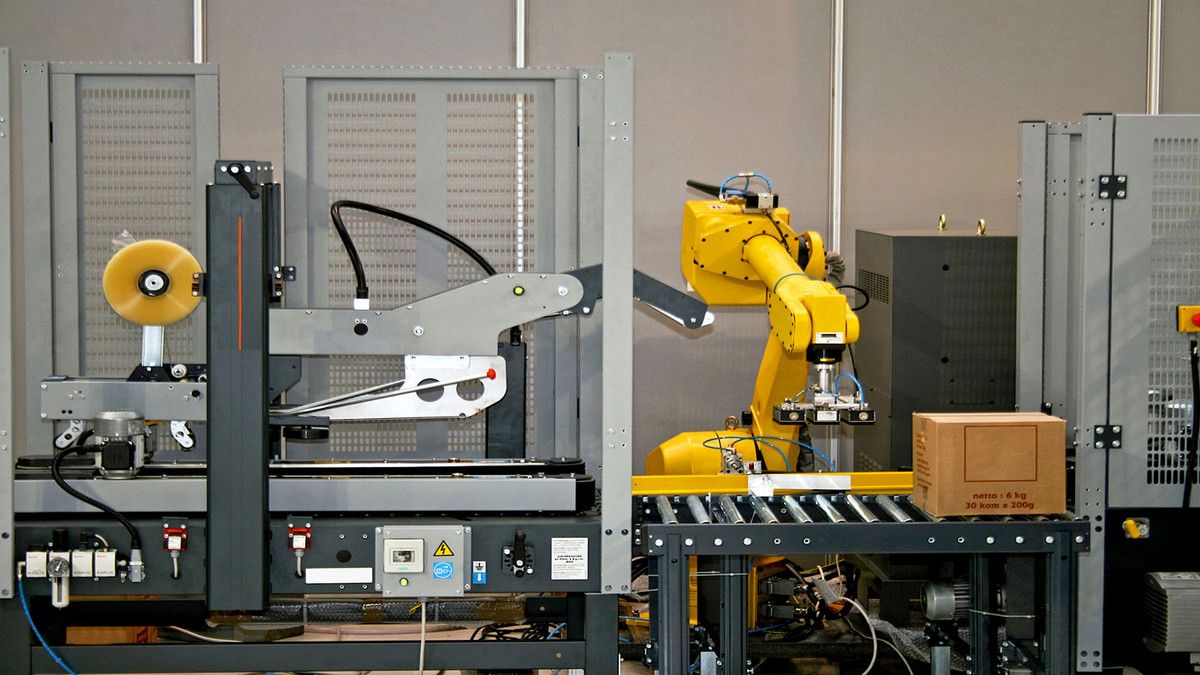
At their core, hydraulic machines convert mechanical energy into hydraulic energy and then back into mechanical motion. A simple example is a hydraulic jack, which multiplies force using fluid pressure. More complex systems include industrial presses, construction equipment, and aircraft control mechanisms.
A basic hydraulic system usually includes:
-
A hydraulic pump
-
Hydraulic fluid (often oil)
-
Valves to control flow and pressure
-
Cylinders or motors to produce motion
-
Reservoir and filters
These systems exist because they provide controlled, powerful, and precise force in compact designs. Industries rely on hydraulic equipment when high torque or lifting capacity is required within limited space.
Importance – Why Hydraulic Machines Matter Today
Hydraulic technology plays a central role in modern infrastructure, manufacturing, transportation, and energy sectors. From heavy construction equipment to automated factory lines, fluid power systems make large-scale mechanical tasks manageable and efficient.
Key sectors influenced by hydraulic machines include:
-
Construction and mining
-
Manufacturing and metal forming
-
Automotive engineering
-
Aerospace and aviation
-
Agriculture and heavy machinery
For example, companies like Caterpillar Inc. design excavators and loaders that rely heavily on hydraulic actuators for lifting and digging. In the aerospace sector, aircraft manufacturers such as Boeing use hydraulic systems for landing gear operation and flight control surfaces.
Hydraulic systems solve several practical challenges:
-
Multiplying force without large mechanical linkages
-
Enabling smooth and precise motion control
-
Operating under heavy loads and high pressure
-
Reducing manual effort in industrial environments
In industrial automation technology, hydraulic presses are used for forging, molding, and shaping metal components. The ability to deliver consistent hydraulic pressure improves quality control and operational efficiency.
Another reason hydraulic machines matter today is their compatibility with digital monitoring systems. Modern hydraulic equipment often integrates pressure sensors, smart valves, and programmable logic controllers (PLCs), allowing engineers to monitor system performance in real time.
Types of Hydraulic Machines
Hydraulic machines can be grouped based on their application and energy conversion process.
Hydraulic Presses
Used in metal forming and industrial manufacturing. They apply large compressive forces through hydraulic cylinders.
Hydraulic Excavators
Common in construction and mining. They use multiple hydraulic actuators to control arm movement and bucket rotation.
Hydraulic Turbines
Convert water energy into mechanical power, commonly used in hydroelectric systems.
Hydraulic Pumps and Motors
Essential components that circulate fluid and convert pressure into rotational energy.
Below is a simplified comparison table of major hydraulic components:
| Component | Primary Function | Typical Application Area |
|---|---|---|
| Hydraulic Pump | Converts mechanical to fluid energy | Industrial machinery |
| Hydraulic Cylinder | Produces linear motion | Excavators, presses |
| Hydraulic Motor | Produces rotary motion | Conveyor systems |
| Control Valves | Regulate pressure and flow | Automation systems |
| Reservoir & Filters | Store and clean hydraulic fluid | All hydraulic systems |
Working Principle of Hydraulic Systems
The operation of hydraulic machines is based on Pascal’s Law, which states that pressure applied to a confined fluid is transmitted equally in all directions.
If a small force is applied to a small-area piston, the pressure generated can produce a larger force on a larger-area piston. This multiplication effect explains why hydraulic systems can lift heavy loads with comparatively less input force.
Basic working steps include:
-
The pump pushes hydraulic fluid from the reservoir.
-
The fluid travels through control valves.
-
Pressurized fluid enters a cylinder.
-
The piston moves, creating mechanical motion.
-
Fluid returns to the reservoir after completing the cycle.
This closed-loop system ensures continuous operation while maintaining controlled pressure levels.Recent Updates and Industry Trends
In the past year, several developments have influenced hydraulic system design and implementation.
Electro-Hydraulic Integration
Manufacturers are combining hydraulic systems with electric controls to improve precision and energy efficiency. Smart sensors and IoT-enabled monitoring systems are becoming more common in industrial hydraulic equipment.
Energy-Efficient Hydraulic Pumps
New variable displacement pump designs have improved hydraulic pump efficiency by reducing energy loss during low-load operations.
Biodegradable Hydraulic Fluids
Environmental considerations have encouraged the adoption of eco-friendly hydraulic oils in agricultural and marine equipment.
Digital Simulation Tools
Advanced simulation software now allows engineers to model hydraulic circuits before physical installation. This reduces design errors and enhances predictive maintenance strategies.
These updates reflect a broader shift toward automation, sustainability, and improved system diagnostics within fluid power systems.
Laws and Policies Affecting Hydraulic Machines
Hydraulic systems are influenced by engineering standards, safety guidelines, and environmental regulations. These regulations typically focus on:
-
Pressure vessel safety
-
Workplace safety compliance
-
Environmental fluid disposal standards
-
Noise and emissions control in heavy machinery
Industrial safety organizations establish guidelines for hydraulic hose ratings, pressure limits, and maintenance procedures. Environmental authorities also regulate hydraulic fluid leakage prevention to protect soil and water systems.
Manufacturers and operators must ensure that hydraulic equipment meets:
-
Machinery safety standards
-
Industrial emission guidelines
-
Equipment inspection requirements
-
Operator training certifications
Compliance helps reduce workplace accidents and environmental impact while maintaining operational reliability.
Tools and Resources for Hydraulic Systems
Engineers and technicians use a variety of digital and practical tools to design and maintain hydraulic machines.
Design and Simulation Software
-
AutoCAD – Used for drafting hydraulic schematics
-
SolidWorks – Useful for modeling hydraulic components
-
MATLAB – Helps simulate pressure and flow dynamics
Hydraulic Calculators
-
Online pressure and force calculators
-
Flow rate estimation tools
-
Pump displacement calculators
Industry Resources
-
Technical handbooks on fluid power engineering
-
Industrial automation forums
-
Equipment maintenance checklists
Below is a simplified representation of pressure vs. force relationship:
Pressure = Force / Area
When piston area increases, force output increases proportionally at constant pressure.
These tools support accurate system design, predictive maintenance, and compliance verification.
Frequently Asked Questions
What is the main advantage of hydraulic machines?
Hydraulic machines can generate very high force using relatively small input effort. They provide smooth and controlled motion compared to purely mechanical systems.
How is a hydraulic system different from a pneumatic system?
Hydraulic systems use liquids, while pneumatic systems use compressed air. Liquids are incompressible, allowing hydraulic systems to handle heavier loads with greater precision.
What causes hydraulic system failure?
Common causes include fluid contamination, overheating, seal wear, improper maintenance, and pressure overload. Regular inspection reduces risk.
Are hydraulic machines energy efficient?
Modern hydraulic systems with variable displacement pumps and electronic controls have improved efficiency, though energy loss can occur through heat and leakage if not properly maintained.
Where are hydraulic systems commonly used?
They are widely used in construction equipment, industrial presses, aircraft control systems, agricultural machinery, and manufacturing automation lines.
Advantages and Limitations
Hydraulic machines offer several benefits:
-
High power-to-weight ratio
-
Smooth and accurate motion
-
Compact system design
-
Strong load-handling capability
However, they also have limitations:
-
Risk of fluid leakage
-
Maintenance requirements
-
Sensitivity to contamination
-
Heat generation during operation
Understanding both strengths and limitations helps industries implement hydraulic systems effectively.
Conclusion
Hydraulic machines form the backbone of many modern industrial and mechanical systems. By using fluid pressure to transmit force, they enable heavy lifting, precise motion control, and large-scale manufacturing operations.
Advancements in electro-hydraulic integration, digital monitoring, and energy-efficient pump design are shaping the future of hydraulic technology. Compliance with engineering standards and environmental guidelines ensures safe and responsible operation.