Hydraulic Breakers Guide: Basics, Explanation, and Key Information
Hydraulic breakers are powerful mechanical attachments widely used in construction, mining, demolition, and infrastructure development. They are designed to break hard materials such as rock, concrete, asphalt, and reinforced surfaces using controlled hydraulic energy. This guide explains what hydraulic breakers are, why they exist, how they are used today, and the key knowledge needed to understand them clearly and safely.
Hydraulic breakers, often referred to as hydraulic hammers, are impact tools powered by hydraulic systems. They are typically mounted on excavators, skid steer loaders, or backhoe loaders. Their main function is to apply repeated force to rigid materials that cannot be removed using standard digging or cutting equipment.
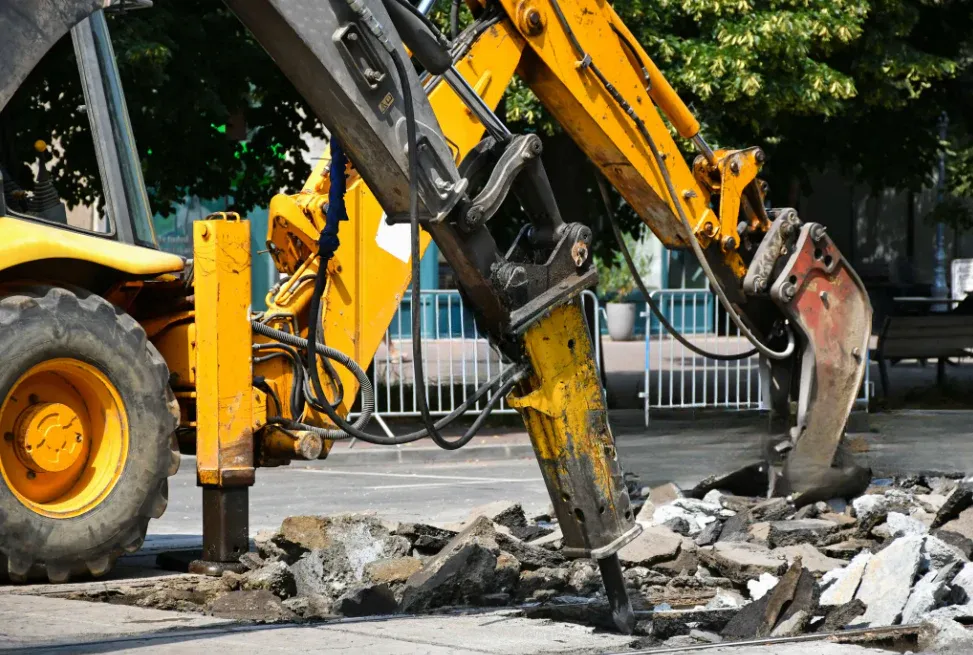
Traditional manual breaking methods were slow, physically demanding, and limited in scale. As construction projects grew larger and more complex, there was a clear need for equipment capable of handling tough surfaces efficiently and consistently. Hydraulic breakers were developed to meet this requirement by converting hydraulic pressure into high-impact mechanical energy.
At a basic level, a hydraulic breaker consists of:
-
A housing that absorbs vibration
-
A piston driven by hydraulic pressure
-
A working tool such as a chisel or moil point
-
A hydraulic control system
This design allows operators to break materials precisely while maintaining stability and control. Today, hydraulic breakers are considered standard equipment across many heavy-duty operations.
Importance: Why Hydraulic Breakers Matter Today
Hydraulic breakers play a critical role in modern infrastructure and industrial activity. Their importance is linked to efficiency, safety, and adaptability across multiple sectors.
They affect a wide range of users, including:
-
Construction engineers and site planners
-
Infrastructure maintenance teams
-
Mining and quarrying operations
-
Urban redevelopment and demolition projects
The problems hydraulic breakers help solve include:
-
Breaking reinforced concrete structures
-
Excavating rocky or compacted ground
-
Removing old road surfaces during repairs
-
Reducing manual labor in hazardous environments
From a safety perspective, hydraulic breakers reduce direct human exposure to high-risk breaking tasks. Operators control the tool from enclosed cabins, minimizing physical strain and injury risk. From a productivity standpoint, they significantly reduce project timelines compared to traditional mechanical or manual methods.
High CPC informational keywords often associated with this topic include hydraulic breaker operation, hydraulic hammer working principle, excavator breaker guide, heavy equipment hydraulics, and construction machinery basics.
Recent Updates: Trends and Developments
In the recent period, hydraulic breaker technology has continued to evolve with a focus on efficiency, durability, and environmental impact.
Key developments observed in the past year include:
-
Improved energy recovery systems that optimize hydraulic pressure usage
-
Enhanced noise and vibration dampening designs for urban work zones
-
Stronger tool materials that extend operational lifespan
-
Integration of monitoring sensors to track performance and wear
Another notable trend is the increased emphasis on operator comfort and machine compatibility. Modern breakers are being designed to work smoothly with a wider range of carrier machines while reducing stress on hydraulic systems.
Digital documentation and online technical resources have also expanded, making it easier for operators and technicians to access manuals, performance data, and maintenance guidance without relying on physical paperwork.
Laws or Policies: Regulatory Influence on Hydraulic Breakers
Hydraulic breakers are influenced by general machinery safety standards and environmental regulations rather than dedicated laws specific to the equipment itself. These rules typically focus on:
-
Workplace safety and operator protection
-
Noise and vibration exposure limits
-
Emission control for hydraulic carrier machines
-
Equipment inspection and maintenance practices
Manufacturers and operators are expected to follow established industrial guidelines that promote safe use and responsible operation. Training requirements, protective equipment usage, and routine inspections are commonly emphasized within these regulatory frameworks.
Although policies vary by region, the overall goal is consistent: ensuring that hydraulic breakers are used efficiently without posing unnecessary risks to workers or surrounding environments.
Tools and Resources: Helpful References and Utilities
Understanding and using hydraulic breakers effectively often requires access to practical tools and reliable information sources.
Commonly used resources include:
-
Hydraulic pressure calculators for system compatibility
-
Online equipment manuals and technical documentation
-
Preventive maintenance checklists
-
Operator training guides and safety handbooks
-
Wear-part inspection charts
Below is a simplified reference table showing common breaker tool types and typical applications:
| Tool Type | Typical Application |
|---|---|
| Chisel | General concrete breaking |
| Moil Point | Rock and hard stone |
| Blunt Tool | Oversized boulders |
| Asphalt Cutter | Road surface removal |
Visual performance charts are also widely used to compare impact energy, operating pressure, and recommended carrier weight, helping users select appropriate configurations without trial and error.
FAQs: Common Questions About Hydraulic Breakers
What is the basic working principle of a hydraulic breaker?
A hydraulic breaker works by using pressurized hydraulic fluid to drive a piston that repeatedly strikes a tool, transferring impact energy to the target material.
Can hydraulic breakers be used on different machines?
Yes, they are designed to be compatible with various carriers, provided hydraulic flow and pressure requirements are matched correctly.
What materials can hydraulic breakers handle?
They are commonly used on concrete, reinforced structures, asphalt, rock, and compacted ground.
How is vibration controlled during operation?
Modern breakers use dampening systems within the housing and mounting brackets to reduce vibration transmitted to the carrier machine.
Why is regular inspection important?
Routine inspection helps identify wear, hydraulic leaks, and tool damage early, supporting consistent performance and operational safety.
Conclusion
Hydraulic breakers are essential tools that support efficient and safe material breaking across construction, infrastructure, and industrial environments. By converting hydraulic energy into controlled impact force, they address challenges that traditional methods cannot manage effectively.
Understanding their purpose, importance, regulatory context, and available resources allows users to approach hydraulic breaker operation with confidence and clarity. As technology continues to advance, these tools are becoming more refined, quieter, and more adaptable, reinforcing their role as a foundational component of modern heavy equipment operations.