Hot Spring Resort Rentals: A Complete Guide with Tips & Helpful Insights
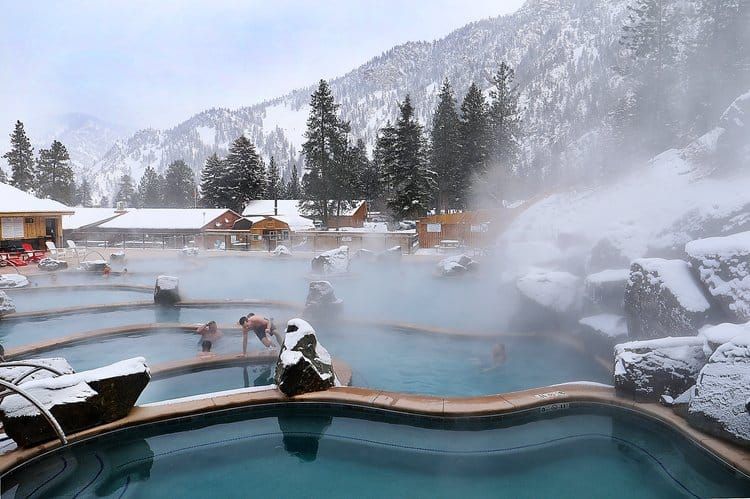
Hot spring resort rentals refer to lodging spaces located near natural geothermal springs where visitors experience mineral-rich thermal water, quiet environments, and wellness-focused settings. These accommodations appear in regions with geothermal activity such as Japan, Iceland, New Zealand, Turkey, and the United States. The idea exists because natural hot springs have long been used for relaxation, therapeutic soaking, cultural traditions, and wellness tourism.
With the expansion of digital booking platforms and vacation planning tools, travelers can now explore geothermal destinations more easily. Many people are drawn to nature-oriented stays, eco-friendly accommodations, and wellness experiences, making hot spring rentals part of a broader interest in mindful travel and scenic outdoor environments.
Importance
Hot spring resort environments matter today because they support wellness, relaxation, and sustainable travel practices. Many travelers look for natural spaces that offer calm, restorative experiences away from urban environments. Mineral waters often contain elements like sulfur, silica, or magnesium, which many visitors associate with comfort and relaxation.
This topic affects:
-
Travelers seeking wellness tourism
-
Individuals exploring sustainable travel or eco-friendly destinations
-
Families planning scenic vacations
-
Nature enthusiasts looking for geothermal landscapes
-
Communities that depend on geothermal tourism
These destinations help address common travel challenges:
-
They provide structured access to natural geothermal features.
-
They support nature-based rejuvenation and quiet environments.
-
They help protect geothermal landscapes through regulated use.
-
They promote environmentally conscious travel when paired with sustainability guidelines.
The growing interest in mindful travel and nature-based wellness further boosts the relevance of geothermal destinations.
Recent Updates
Several developments have shaped the way travelers engage with hot spring resort rentals. These changes relate to sustainability, digital planning tools, and geothermal conservation.
Key updates include:
-
Growing interest in wellness tourism
More travelers are prioritizing nature-based wellness, making geothermal settings an appealing choice. -
Strengthening focus on sustainable travel
Many destinations encourage eco-friendly accommodations, low-impact design, and geothermal conservation to protect sensitive ecosystems. -
Expansion of digital booking tools
Platforms now offer filters for thermal-spring stays, scenic nature settings, and wellness-focused features. This helps travelers compare environments, temperatures, and landscapes more effectively. -
Improvements in geothermal monitoring technologies
Some destinations now track mineral composition and water stability more precisely to maintain safe soaking conditions and preserve geothermal features. -
Renewed attention to cultural practices
Regions with long-standing hot spring traditions are increasingly educating visitors about respectful behavior, bathing customs, and environmental stewardship.
These updates influence how travelers plan their stays and how destinations manage geothermal resources responsibly.
Laws or Policies
Hot spring resort rentals are shaped by regional environmental guidelines, geothermal management rules, and cultural policies. Regulations vary widely by country, but many follow similar themes.
Environmental Protection Guidelines
Geothermal regions often require:
-
Monitoring of water use
-
Limits on geothermal extraction
-
Protection of natural landforms
-
Conservation plans for thermal ecosystems
These rules help maintain stable water temperatures and mineral profiles over time.
Health and Safety Regulations
Authorities typically oversee:
-
Suitable water temperature ranges
-
Maintenance of bathing facilities
-
Safety signage and accessibility features
-
Regular inspections for public hygiene
Such guidelines ensure that thermal pools remain safe for visitors.
Cultural and Heritage Preservation
In areas where hot springs hold traditional or spiritual meaning, regulations may include:
-
Quiet zones
-
Traditional bathing etiquette
-
Protection of historical structures
-
Respectful photography rules
These policies help maintain cultural integrity.
Travel Compliance Requirements
Some destinations apply rules that guide visitor movement and environmental impact, including:
-
Local tourism-related levies
-
Nature preservation fees
-
Visitor-flow controls
-
Emergency protocols for geothermal areas
Together, these laws influence how hot spring resorts operate and how visitors interact with geothermal environments.
Tools and Resources
A variety of digital tools and information sources help travelers understand and compare hot spring resort rentals, plan their routes, and explore geothermal regions responsibly.
Useful Tools and Platforms
-
Google Travel – Location guides, route planning, and environmental insights
-
Airbnb Filters – Nature stays, wellness-focused spaces, and scenic surroundings
-
Booking.com Filters – Spa features and thermal-bath access filters
-
Weather and Climate Apps – Seasonal temperatures and local conditions
-
Travel insurance information websites – Guidance for nature-focused trips
-
Wellness tourism directories – Curated geothermal destinations
-
Sustainable travel certification platforms – Identify eco-friendly accommodations
-
Local geothermal monitoring sites – Water temperature and mineral information
-
Nature trail and map apps – Explore landscapes around hot spring regions
These tools support informed planning and allow travelers to choose environments that align with their wellness, sustainability, and scenic preferences.
Sample Comparison Table
| Feature | What to Check | Why It Matters |
|---|---|---|
| Water Temperature | Look for ranges comfortable for soaking | Ensures a relaxing experience |
| Mineral Composition | Sulfur, silica, magnesium, calcium | Helps understand water characteristics |
| Sustainability Practices | Energy-efficient systems, eco-certifications | Supports environmentally conscious travel |
| Accessibility | Ramps, safety rails, easy walkways | Inclusive for all travelers |
| Planning Tools | Booking platforms, maps, climate apps | Helps organize a safe and enjoyable stay |
FAQs
What makes a hot spring resort rental different from regular lodging?
These rentals are located near natural geothermal waters and provide access to mineral-rich soaking environments that are often linked with wellness tourism and cultural experiences.
Is it safe to soak in natural hot springs?
Most maintained hot spring areas follow clear safety standards. However, individuals should always check water temperature, posted notices, and accessibility conditions before entering.
Do seasonal changes affect hot spring experiences?
Many travelers prefer hot springs during cooler periods, but geothermal water remains warm year-round. Weather apps can help identify comfortable seasons for travel.
Are all hot springs the same?
No. Each geothermal region has unique mineral compositions and temperature conditions influenced by local geology.
Do hot spring resorts support sustainable travel?
Many destinations now incorporate eco-friendly practices, conservation policies, and educational programs to support responsible geothermal tourism.
Conclusion
Hot spring resort rentals continue to attract individuals seeking nature-based wellness, cultural experiences, and environmentally conscious travel. These destinations offer geothermal landscapes, scenic surroundings, and peaceful environments ideal for mindful exploration. Recent updates emphasize sustainability, improved digital planning tools, and thoughtful visitor education. Policies across regions help protect geothermal features while ensuring safe and respectful access.
With reliable tools and informed decisions, travelers can explore hot spring environments responsibly and appreciate the natural beauty shaped by geothermal activity.