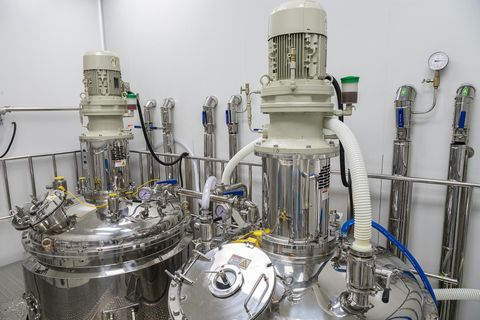
Honing Machines Explained: Technology, Applications, and Benefits
Honing is a machining process used to improve the surface finish and dimensional accuracy of internal cylindrical parts. It has been used for decades in manufacturing, particularly in industries such as automotive, aerospace, and heavy engineering. The process typically involves rotating abrasive stones against a surface to remove small amounts of material and create a smooth, consistent finish.
An industrial honing machine is designed to carry out this process with precision and consistency. These machines are commonly used for finishing components like engine cylinders, hydraulic tubes, and gear bores. Variants such as a cylinder honing machine, horizontal honing machine, vertical honing machine, and precision honing machine are developed to handle different shapes, sizes, and production needs.
Honing differs from other machining methods because it focuses on fine finishing rather than shaping. It corrects minor imperfections left by previous processes like drilling or grinding, ensuring tighter tolerances and improved surface quality.
Importance
Honing plays a significant role in modern manufacturing because many mechanical systems depend on highly accurate internal surfaces. For example, engine cylinders require a specific surface texture to retain lubrication and reduce friction. Without proper honing, these components may wear out faster or perform inefficiently.
The importance of honing extends across several areas:
- Improved durability: smoother surfaces reduce wear and extend component life
- Enhanced performance: accurate dimensions help parts function efficiently
- Reduced friction: better surface finish allows smoother motion in mechanical systems
- Consistency in production: machines ensure uniform results across large batches
Different types of honing machines are used depending on the application. A cylinder honing machine is commonly used in engine manufacturing, while a precision honing machine is applied in industries where even small deviations can affect performance.
The table below summarizes common machine types and their typical uses:
| Machine Type | Orientation | Common Applications |
|---|---|---|
| Horizontal honing machine | Horizontal | Long tubes, pipes, and shafts |
| Vertical honing machine | Vertical | Engine cylinders, short bores |
| Cylinder honing machine | Usually vertical | Automotive engine components |
| Precision honing machine | Varies | Aerospace, medical, high-tolerance parts |
These machines help address real-world challenges such as component wear, energy loss due to friction, and inconsistent manufacturing quality.
Recent Updates
Between 2024 and 2026, the honing industry has seen gradual technological improvements rather than major shifts. One noticeable trend is the integration of digital controls and automation into honing systems. Modern industrial honing machines increasingly use sensors and software to monitor parameters such as pressure, speed, and material removal rate.
Another development is the use of advanced abrasives. New materials for honing stones provide longer tool life and more consistent finishing results. This is particularly useful in precision honing machine applications where maintaining exact tolerances is critical.
There has also been growing interest in energy-efficient machinery. Manufacturers are focusing on reducing power consumption and optimizing machine operation without affecting output quality. This aligns with broader industrial trends toward sustainability and reduced environmental impact.
In addition, data tracking features are becoming more common. Machines can now record operational data, which helps engineers analyze performance and improve production processes over time.
Laws or Policies
Honing machines are part of the broader category of industrial equipment and are subject to general manufacturing regulations rather than specific laws focused only on honing. These regulations vary by country but typically address safety, environmental impact, and workplace standards.
In India, several regulatory frameworks influence the use of machines like a horizontal honing machine or vertical honing machine:
- Factories Act, 1948: sets guidelines for worker safety, machine guarding, and workplace conditions
- Occupational Safety, Health and Working Conditions Code: outlines responsibilities related to equipment safety and employee protection
- Bureau of Indian Standards (BIS): provides standards for machinery quality and performance
- Environmental regulations: require proper handling of coolants, lubricants, and waste materials
Operators must ensure that machines are installed and maintained according to these rules. Safety features such as emergency stops, protective enclosures, and proper training are essential when working with honing equipment.
Globally, similar standards exist, such as ISO guidelines for machine tools and occupational safety requirements in manufacturing environments. These policies aim to reduce risks while maintaining efficient production.
Tools and Resources
Various tools and resources help individuals and organizations understand and use honing machines effectively. These resources support planning, operation, and maintenance.
Commonly used tools include:
- Surface roughness measurement tools: devices that evaluate the finish achieved after honing
- Bore gauges: instruments used to measure internal diameters with high accuracy
- Process simulation software: helps visualize how a precision honing machine will perform under different conditions
- Maintenance tracking systems: digital platforms that record machine usage and service schedules
Online resources also provide valuable information:
- Technical documentation platforms: offer manuals and guidelines for machine operation
- Engineering forums: allow users to discuss challenges and share solutions
- Training modules: provide structured learning on machining techniques and safety practices
Templates and checklists are often used in industrial settings to ensure consistent procedures. For example, a standard operating checklist may include steps like machine setup, calibration, inspection, and shutdown.
These tools and resources contribute to better understanding and efficient use of honing equipment, especially for those new to the process.
FAQs
What is an industrial honing machine used for?
An industrial honing machine is used to improve the internal surface finish of cylindrical parts. It removes small amounts of material to achieve precise dimensions and smooth surfaces, commonly in automotive and engineering applications.
How does a cylinder honing machine work?
A cylinder honing machine uses abrasive stones that rotate and move back and forth inside a cylinder. This action creates a uniform surface pattern and corrects minor imperfections in the bore.
What is the difference between a horizontal honing machine and a vertical honing machine?
A horizontal honing machine is typically used for long components such as pipes and tubes, where the workpiece is aligned horizontally. A vertical honing machine is more suitable for shorter parts like engine cylinders, where gravity helps with alignment and stability.
When is a precision honing machine necessary?
A precision honing machine is required when extremely tight tolerances and high surface quality are needed. It is often used in industries such as aerospace, medical device manufacturing, and advanced engineering.
Can honing replace other machining processes?
Honing is usually a finishing process rather than a replacement for other machining methods. It follows operations like drilling or grinding to refine the surface and improve accuracy.
Conclusion
Honing machines are essential tools in modern manufacturing, focusing on refining internal surfaces for accuracy and smoothness. Different types, including horizontal and vertical configurations, address specific production needs. Advances in automation and materials continue to improve efficiency and consistency in honing processes. Regulations and safety standards ensure that these machines are used responsibly in industrial environments. Overall, honing remains a key step in producing reliable and durable mechanical components.