Guide to Vehicle Lift Systems: Tips, Advice, and Practical Knowledge
Vehicle lift systems are mechanical platforms designed to raise vehicles above ground level so technicians can safely access the underside. These systems are commonly used in automotive repair facilities, inspection centers, parking structures, and industrial vehicle maintenance environments.
Before lift systems became common, mechanics relied on pits or manual jacks to access the bottom of vehicles. While those methods worked, they often limited visibility, mobility, and safety. Lift technology evolved to address these challenges by elevating vehicles in a controlled and stable way.
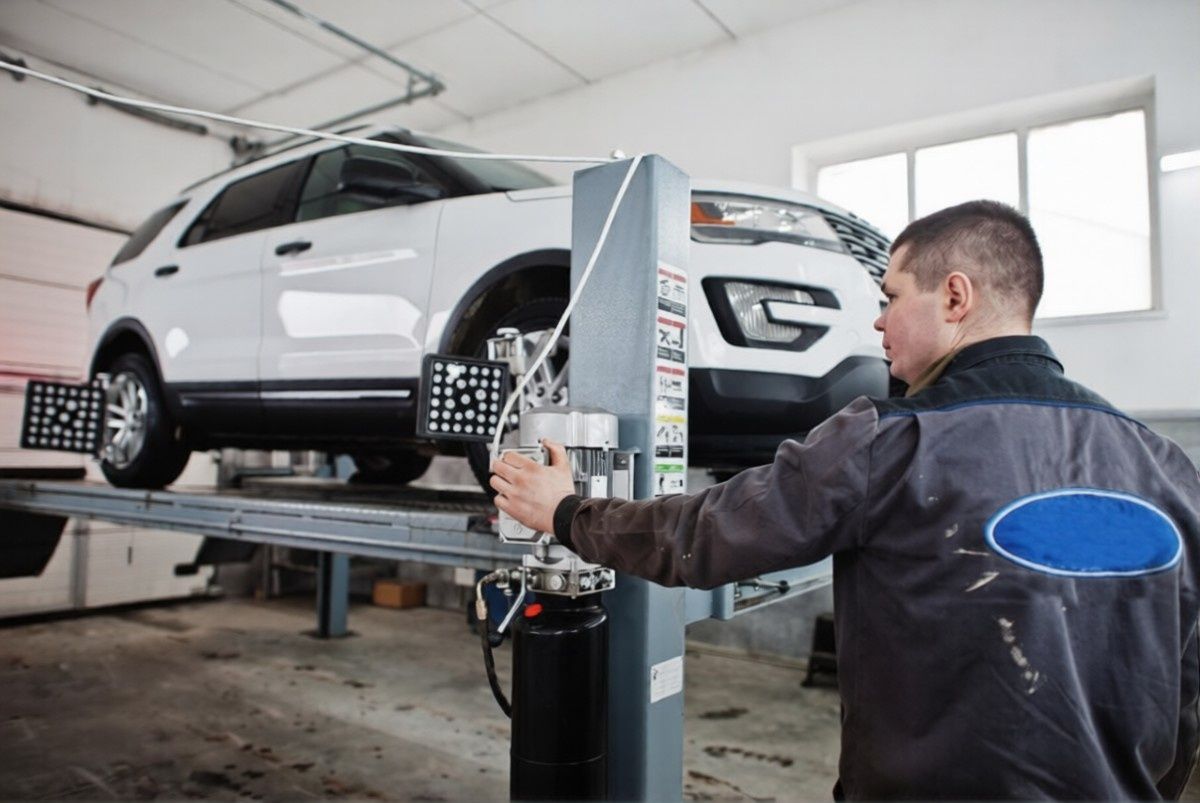
Vehicle lift systems generally use hydraulic, electric, pneumatic, or electro-hydraulic mechanisms to move a platform or set of arms vertically. Once elevated, safety locks hold the vehicle in place while maintenance tasks are performed.
The main purpose of these systems is to improve efficiency and safety during vehicle inspection, repair, and maintenance operations. They also help reduce physical strain on technicians by eliminating the need to work in uncomfortable or confined spaces.
Modern workshops depend on lift systems because vehicles have become more complex, with many components located underneath the chassis. Access to these components is essential for tasks such as:
-
Brake system inspection
-
Suspension maintenance
-
Exhaust system work
-
Oil and fluid checks
-
Transmission service
The design of lift systems varies depending on the type of vehicles handled and the available workspace.
Common types include:
| Lift Type | Typical Use | Key Feature |
|---|---|---|
| Two-Post Lift | General vehicle maintenance | Arms support vehicle frame |
| Four-Post Lift | Alignment and inspection | Drive-on platform design |
| Scissor Lift | Compact spaces | Vertical lifting platform |
| In-Ground Lift | Professional garages | Hidden lifting cylinders |
| Portable Lift | Mobile operations | Flexible placement |
Each system offers different advantages depending on space, vehicle weight, and maintenance requirements.
Why Vehicle Lift Systems Matter Today
Vehicle lift systems play an important role in the modern automotive ecosystem. As vehicles become heavier, more technologically advanced, and increasingly electrified, safe access to undercarriage components has become more critical than ever.
Technicians rely on lifts to perform accurate diagnostics and mechanical work. Without proper elevation systems, many repair tasks would be inefficient or unsafe.
Several factors contribute to the growing relevance of lift systems:
-
Increasing vehicle ownership globally
-
Larger and heavier vehicle designs
-
Growth of electric and hybrid vehicle platforms
-
Expansion of fleet maintenance operations
-
Higher safety expectations in automotive workplaces
In many service environments, productivity is closely tied to how efficiently technicians can access vehicle components. A properly designed lift system reduces downtime between tasks and improves workflow.
Vehicle lift systems also contribute to workplace safety. Improper lifting methods can cause accidents or equipment damage. Modern lifts include built-in safety features such as:
-
Automatic locking mechanisms
-
Weight distribution sensors
-
Overload protection systems
-
Emergency lowering controls
These features help reduce the risk of equipment failure or accidental drops.
Another reason lift systems matter is ergonomic safety. Automotive technicians often perform repetitive physical tasks. Lifts allow them to work at comfortable heights, reducing strain on the back, neck, and shoulders.
In large fleet operations such as logistics centers or public transportation facilities, lift systems also help maintain operational reliability by allowing efficient inspections and maintenance procedures.
Recent Developments and Industry Trends
Vehicle lift technology continues to evolve as automotive design and maintenance practices change.
Several developments have gained attention over the past year.
Integration with digital diagnostics
Many modern lift systems are now integrated with diagnostic tools and workshop management platforms. This allows technicians to record vehicle inspection data while the vehicle is elevated.
Advanced safety monitoring
Recent lift models incorporate sensors that monitor weight distribution and arm positioning. If an imbalance is detected, the system may pause operation or alert the technician.
Electric vehicle compatibility
As electric vehicles become more common, lift manufacturers have adjusted designs to accommodate battery packs located underneath the vehicle chassis. These batteries can significantly affect vehicle weight distribution.
Compact workshop solutions
Urban workshops with limited space are increasingly adopting low-profile scissor lifts or modular lift systems that can be installed without major structural changes.
Sustainability and energy efficiency
Manufacturers are focusing on more energy-efficient hydraulic pumps and electric drive systems. Some designs reduce hydraulic fluid usage or improve power management.
A simplified comparison of lift system efficiency trends is shown below.
| Lift Technology | Energy Use Level | Maintenance Complexity |
|---|---|---|
| Hydraulic Lift | Moderate | Moderate |
| Electro-Hydraulic Lift | Lower | Moderate |
| Electric Screw Lift | Low | Low |
| Pneumatic Lift | Variable | Moderate |
Another emerging trend is the use of remote monitoring systems. Some lifts now connect to diagnostic software that tracks maintenance cycles and safety inspections.
This digital tracking helps facility managers maintain equipment compliance and identify potential mechanical issues early.
Regulations and Safety Frameworks
Vehicle lift systems are subject to safety standards and regulatory frameworks in many regions. These regulations exist to ensure safe installation, operation, and maintenance.
Regulatory guidance typically focuses on several key areas:
-
Structural stability and load capacity
-
Installation requirements
-
Inspection and maintenance procedures
-
Operator training standards
-
Emergency safety mechanisms
International safety organizations and engineering associations often publish guidelines for lift system design and use.
Examples include:
-
Equipment safety certification standards
-
Industrial machinery safety frameworks
-
Occupational safety guidelines for mechanical lifting devices
Inspection schedules are often required to verify that lift systems remain safe during operation. Inspections may include checks of:
-
Hydraulic cylinders
-
Lift arms and locking systems
-
Structural supports
-
Electrical controls
-
Safety release mechanisms
Facilities that use lift systems typically maintain documentation showing that inspections and maintenance procedures are performed regularly.
In some jurisdictions, workplace safety agencies provide detailed guidance on how lifting equipment should be installed and operated in professional environments.
These frameworks help ensure that both technicians and vehicles remain protected during maintenance activities.
Useful Tools and Digital Resources
A variety of tools and digital resources support professionals who work with vehicle lift systems. These resources help improve safety, efficiency, and operational planning.
Some commonly used tools include:
Vehicle weight databases
Technicians often consult vehicle weight references to ensure a lift system can safely support a specific model.
Lift capacity calculators
Digital calculators help determine safe lifting limits based on vehicle weight distribution.
Example concept:
| Vehicle Category | Typical Weight Range | Recommended Lift Capacity |
|---|---|---|
| Compact car | 900–1300 kg | 3000 kg |
| Mid-size vehicle | 1300–1800 kg | 3500 kg |
| SUV | 1800–2600 kg | 4000 kg |
| Light commercial vehicle | 2600–3500 kg | 4500 kg |
Workshop layout planners
Some digital design tools help workshops plan lift placement, ensuring proper spacing for safe operation.
Inspection checklists
Maintenance teams often use standardized checklists to verify lift performance during routine inspections.
Typical checklist items include:
-
Locking mechanism function
-
Hydraulic fluid condition
-
Cable or chain tension
-
Lift arm pad condition
-
Control panel response
Technical documentation libraries
Manufacturers and engineering associations publish manuals, diagrams, and safety guides that technicians can consult for troubleshooting or training.
These resources help ensure that lift systems are used correctly and maintained according to safety recommendations.
Frequently Asked Questions
What is the main purpose of a vehicle lift system?
The primary purpose of a vehicle lift system is to elevate a vehicle safely so technicians can access the underside for inspection, diagnostics, and maintenance tasks.
How much weight can a typical vehicle lift support?
Lift capacity varies depending on design. Many standard workshop lifts support between 3000 kg and 4500 kg, while heavy-duty systems designed for commercial vehicles may support significantly higher loads.
Are vehicle lift systems safe to use?
Yes, when properly installed and maintained. Modern lift systems include safety locks, overload protection, and stability controls designed to reduce risk during operation.
How often should lift systems be inspected?
Regular inspections are important to ensure safe operation. Many facilities conduct routine checks as part of scheduled equipment maintenance programs and perform more detailed inspections periodically.
Can vehicle lift systems handle electric vehicles?
Many modern lifts are designed to accommodate electric vehicles. However, technicians must consider battery placement and weight distribution when positioning lift arms.
Conclusion
Vehicle lift systems are essential tools in modern automotive maintenance and inspection environments. By elevating vehicles safely and efficiently, these systems allow technicians to perform critical tasks that would otherwise be difficult or unsafe.
Advancements in engineering, digital monitoring, and safety features continue to improve how lift systems function within workshops and fleet maintenance facilities. As vehicles evolve and become more technologically advanced, the role of reliable lifting equipment becomes even more important.
Understanding how lift systems work, the regulations that guide their use, and the tools available to support their operation can help ensure safer and more efficient maintenance practices.