Guide to Smart Water Heaters: Basics, Explanation, and Informative Tips to Learn More
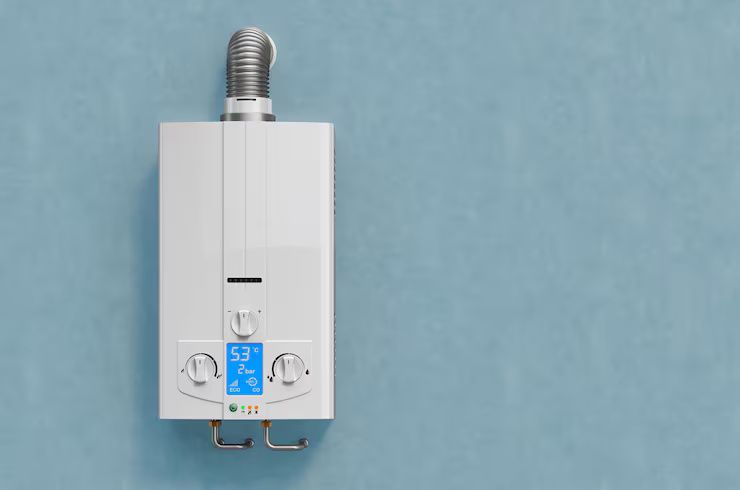
Smart water heaters are advanced heating systems designed to manage hot water more efficiently using built-in sensors, automation features, and intelligent temperature control. These systems exist to address the need for consistent heating, reduced energy use, and better household water management. Traditional heaters warm water continuously or during fixed cycles, but smart heaters analyze usage patterns and adjust performance automatically.
Modern homes increasingly rely on efficient, sustainable technologies, and smart water heaters fit directly into this shift by improving heating control while maintaining safety and reliability.
Why Smart Water Heaters Matter Today
Smart water heaters play an important role in energy efficiency, household comfort, and resource conservation. As global energy awareness grows, many households and industries seek solutions that reduce environmental impact while ensuring convenience.
Key reasons they matter:
-
Energy Efficiency: Intelligent heating schedules reduce unnecessary heating cycles.
-
Temperature Precision: Accurate control ensures comfort and protects against overheating.
-
Safety Enhancements: Built-in sensors detect leaks, pressure changes, and unusual performance.
-
Resource Conservation: Optimized heating reduces water and energy waste.
-
Adaptability: Works well across residential homes, apartments, dorms, and commercial setups.
They benefit homeowners, facility managers, sustainable living advocates, and anyone focused on efficient energy management.
Recent Developments and Trends (2024–2025)
Smart heating technology has expanded rapidly due to improvements in energy systems, automation, and monitoring tools.
| Year | Trend / Innovation | Impact on Hot Water Systems |
|---|---|---|
| 2024 | Growth in energy-optimized heating elements | Reduced energy demand during peak hours |
| 2024 | Wider integration with household monitoring systems | Real-time usage data and fault detection |
| 2025 | Increased demand for eco-friendly heating solutions | More units designed with recyclable components |
| 2025 | Smart leak-prevention mechanisms | Better protection for floors, walls, and appliances |
Other notable developments include:
-
Advanced insulation materials that retain heat longer.
-
Adaptive heating algorithms that learn hot-water habits for improved consistency.
-
Low-emission design supporting sustainability goals.
These trends reflect global efforts to enhance energy security and environmental responsibility.
Regulations, Standards, and Safety Requirements
Smart water heaters operate under strict national and international standards to ensure safety, efficiency, and durability.
Key regulatory areas include:
-
Energy Standards: Many regions follow guidelines ensuring heaters meet efficiency targets.
-
Electrical Safety Regulations: Set rules for wiring, component protection, and shock resistance.
-
Thermal Safety Codes: Ensure controlled temperature limits and safe pressure management.
-
Environmental Guidelines: Encourage lower emissions and eco-friendly materials.
Countries often mandate labeling systems that indicate energy efficiency, expected performance, and safety compliance. Some regions also promote smart water heating systems through environmental programs that encourage energy-efficient home technologies.
Major Types of Smart Water Heaters
Smart heaters come in several formats, each designed for specific use cases.
| Type | Key Features | Ideal Usage |
|---|---|---|
| Tank-Based Smart Heater | Stores and heats water with intelligent scheduling | Large families needing steady hot-water supply |
| Tankless Smart Heater | Heats water instantly on demand | Smaller homes or spaces needing high efficiency |
| Heat Pump Smart Heater | Moves heat from the air to warm water | Energy-efficient households |
| Hybrid Smart Heater | Uses both tank and heat-pump technology | Homes seeking high savings and reliability |
Each type aims to deliver consistent heating with improved energy use and safer operation.
Tools, Calculators & Helpful Resources
A variety of resources help users understand performance, temperature needs, and energy use.
Learning and Knowledge Resources
-
Home energy-efficiency guides discussing heating load and consumption patterns.
-
Engineering journals explaining thermal systems and smart heating technologies.
-
Educational videos that demonstrate how modern heating mechanisms work.
-
Utility company publications offering insights into safe water heating practices.
Tools and Calculators
-
Water Heating Load Calculators: Estimate daily hot-water requirements.
-
Energy Consumption Tables: Show typical heating demands by tank size.
-
Temperature Setting Charts: Identify safe and efficient heat levels.
-
Maintenance Checklists: Help users conduct periodic inspections.
Templates and References
-
Hot water usage planning charts
-
Safety inspection logs
-
Temperature-flow reference tables
These tools support better understanding, safer operation, and energy-smart decisions.
Frequently Asked Questions
1. How do smart water heaters differ from traditional models?
Smart heaters use sensors and intelligent control features to regulate heating more efficiently, while traditional models rely on fixed heating cycles with less accuracy.
2. Are smart water heaters more energy-efficient?
Yes. They optimize heating schedules, reduce unnecessary cycles, and maintain stable temperatures using modern insulation and efficient heating elements.
3. What safety features are included in smart water heaters?
Most units include temperature limiters, pressure monitoring, anti-scald protection, and leak-detection capabilities.
4. Can smart water heaters support sustainability goals?
Yes. Their optimized performance reduces energy waste and supports lower emissions.
5. Do smart heaters require special installation?
They typically follow standard installation guidelines but may require proper alignment with existing electrical and water systems.
Informative Tips for Better Use and Understanding
-
Use moderate temperature settings to prevent scalding and reduce energy consumption.
-
Check insulation quality around pipes and tanks to maintain heat longer.
-
Monitor heating cycles to ensure consistent performance.
-
Ensure proper ventilation around heat-pump systems.
-
Perform regular maintenance checks to keep components functioning safely.
These simple practices support better efficiency, longer equipment lifespan, and safer operation.
Conclusion
Smart water heaters represent a modern approach to managing household and commercial hot-water needs. They combine precision, safety, and efficiency through intelligent temperature control, advanced insulation, and adaptive heating features. As sustainability goals continue to shape infrastructure and home design, smart water heaters offer a responsible path to reliable comfort while reducing environmental impact.
Understanding how these systems work — along with their benefits, trends, regulations, and maintenance requirements — helps users make informed decisions and operate heating systems more responsibly.