Guide to Smart Home Automation: Systems, Sustainability Benefits, and Key Innovations
Smart home automation refers to the use of connected devices and digital systems to manage household functions such as lighting, temperature, security, and appliances. These systems rely on internet connectivity, sensors, and software to allow remote control or automated operation based on user preferences. The concept has evolved from simple timer-based devices to interconnected ecosystems that respond intelligently to daily routines.
The idea of automating homes began with basic electrical controls in the early 20th century. Over time, advancements in wireless communication and data processing made it possible to connect multiple devices within a single network. Today, smart home automation systems are part of a broader shift toward digital living environments, where convenience and efficiency are supported by technology.
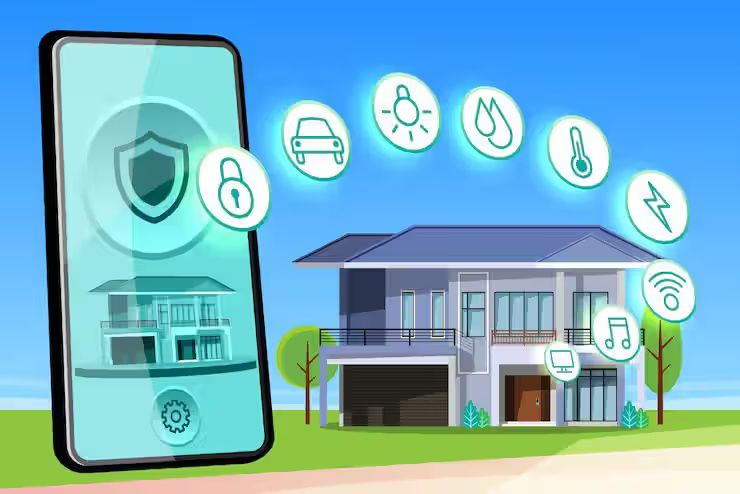
As more households adopt connected devices, the scope of home automation continues to expand. It now includes voice-controlled assistants, energy monitoring tools, and integrated security systems. These developments aim to simplify everyday tasks while improving how homes use resources.
Importance
Smart home automation plays a growing role in modern living by addressing practical challenges such as energy management, safety, and time efficiency. For many households, automated systems help reduce unnecessary energy use by adjusting lighting and temperature based on occupancy or schedules. This can contribute to more sustainable living practices.
Another important aspect is convenience. Automated routines can manage repetitive tasks, such as turning off lights at night or adjusting thermostats during the day. This reduces the need for manual intervention and allows users to focus on other activities. For individuals with mobility limitations, automation can also improve accessibility within the home.
Safety and security are also key considerations. Smart locks, cameras, and motion sensors provide real-time updates and alerts, helping residents stay informed about their surroundings. These systems can operate continuously and be monitored remotely, adding an extra layer of awareness.
Key areas where smart home automation has an impact include:
- Energy efficiency, through automated climate and lighting control
- Security, with connected cameras and alert systems
- Comfort, by personalizing environmental settings
- Accessibility, enabling easier control of household functions
As urban populations grow and environmental concerns increase, the importance of efficient and adaptable home systems continues to rise.
Recent Updates
Recent developments in smart home automation systems reflect ongoing improvements in connectivity, artificial intelligence, and sustainability. One noticeable trend is the integration of devices across different brands using common communication standards. This allows users to manage multiple devices through a single interface rather than separate applications.
Another update involves the use of artificial intelligence to learn user behavior. Modern systems can analyze patterns, such as daily routines or preferred temperatures, and adjust settings automatically. This reduces the need for manual configuration and enhances overall usability.
Energy-focused innovations have also gained attention. Smart home automation now often includes energy monitoring tools that provide insights into electricity usage. These tools help users understand consumption patterns and make adjustments to reduce waste.
The following table outlines some recent trends and their practical effects:
| Trend | Description | Practical Impact |
|---|---|---|
| Device interoperability | Systems working across multiple platforms | Simplifies control of different devices |
| AI-based automation | Learning user habits over time | Reduces manual adjustments |
| Energy monitoring integration | Tracking household energy usage | Encourages efficient energy use |
| Voice and gesture control | Alternative input methods | Improves accessibility and ease of use |
| Edge computing | Local data processing within devices | Enhances speed and data privacy |
These updates indicate a shift toward smarter, more adaptive systems that focus on both user experience and environmental considerations.
Laws or Policies
Smart home automation is influenced by various laws and policies related to data protection, energy efficiency, and electronic standards. In India, digital privacy regulations play an important role in shaping how smart devices collect and manage user data. These rules aim to ensure that personal information is handled responsibly and securely.
Energy-related policies also affect the development of automation systems. Government programs promoting energy efficiency encourage the use of smart meters and automated climate control systems. These initiatives support reduced electricity consumption and improved resource management.
In addition, standards for electronic devices help ensure compatibility and safety. Certification requirements guide manufacturers in designing products that meet regulatory expectations. This includes guidelines for wireless communication, electrical safety, and environmental impact.
Users should be aware that:
- Data collected by smart home devices may be subject to privacy regulations
- Energy-efficient devices may align with national sustainability goals
- Certified products are more likely to meet safety and interoperability standards
Understanding these policies helps users make informed decisions about how smart home automation systems fit into broader regulatory frameworks.
Tools and Resources
A variety of tools and platforms support the use and management of smart home automation systems. These resources help users monitor devices, configure settings, and understand system performance.
Common tools include:
- Mobile applications, which allow users to control devices remotely and set automation routines
- Voice assistant platforms, enabling hands-free interaction with connected systems
- Energy monitoring dashboards, providing insights into electricity usage
- Home automation hubs, acting as central controllers for multiple devices
- Online documentation and user guides, explaining setup and troubleshooting processes
Some platforms also provide simulation tools or templates for planning automation layouts. These can help users visualize how different devices interact within a home environment.
In addition, community forums and knowledge-sharing websites offer practical insights from other users. These discussions often cover real-world experiences, common challenges, and ways to optimize system performance.
By using these tools and resources, individuals can better understand how to configure and maintain their smart home automation systems effectively.
FAQs
What is smart home automation and how does it work?
Smart home automation refers to the use of connected devices that can be controlled remotely or programmed to operate automatically. These systems use sensors, software, and internet connectivity to manage functions such as lighting, temperature, and security.
How do smart home automation systems support sustainability?
Smart home automation systems help reduce energy consumption by adjusting lighting and climate settings based on occupancy or schedules. This can lead to more efficient use of resources and lower overall energy demand.
Are smart home automation systems difficult to use?
Most systems are designed with user-friendly interfaces, including mobile apps and voice controls. While initial setup may require some learning, daily operation is generally straightforward.
What are the key innovations in smart home automation?
Recent innovations include artificial intelligence for learning user behavior, improved device compatibility, and energy monitoring tools. These features enhance both convenience and efficiency.
Is data from smart home automation devices secure?
Data security depends on the design of the system and compliance with privacy regulations. Many devices include encryption and user controls to manage data sharing, but users should review settings and policies carefully.
Conclusion
Smart home automation has evolved into a practical approach for managing household functions through connected technology. It addresses everyday needs such as energy efficiency, convenience, and safety while adapting to user preferences. Ongoing developments continue to improve system integration and usability. At the same time, regulatory frameworks and digital policies shape how these systems operate. Understanding these aspects helps individuals navigate the growing landscape of automated living environments.