Guide to Premium Recliner Sofa Designs: Materials, Mechanisms, and Modern Living Trends
Premium recliner sofa designs represent a combination of comfort-focused furniture engineering and modern interior aesthetics. These sofas are designed with adjustable seating positions that allow users to recline the backrest and extend the footrest, creating a more relaxed sitting or resting posture. Over time, recliners have evolved from simple mechanical chairs into multi-functional seating systems used in living rooms, home theaters, and shared family spaces.
The concept of reclining furniture dates back to early adjustable chairs, but modern recliner sofas incorporate advanced materials, improved mechanisms, and contemporary styling. Today’s designs focus not only on physical comfort but also on space efficiency, durability, and integration with modern lifestyles. This has led to a wide variety of recliner sofa configurations, including single-seat recliners, sectional recliner sofas, and modular designs.
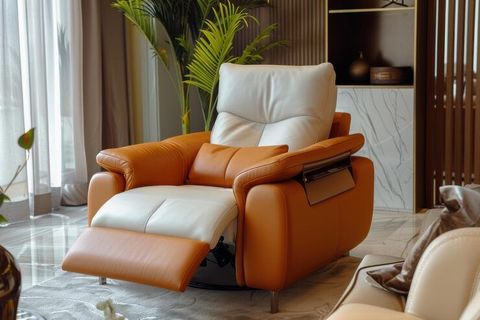
Understanding materials, mechanisms, and design trends helps individuals make informed decisions about how these sofas fit into everyday living environments.
Importance
Recliner sofas play a significant role in improving daily comfort and supporting ergonomic seating habits. Many people spend extended periods sitting, whether for relaxation, entertainment, or social interaction. Poor seating can contribute to discomfort, fatigue, and posture-related issues, making well-designed recliner sofas relevant for modern households.
These designs address several practical needs:
- Comfort and posture support: Adjustable reclining positions help reduce pressure on the spine and joints.
- Space optimization: Modern recliners are designed to fit into compact urban homes without requiring excessive room.
- Multi-purpose use: They function as seating, lounging, and sometimes even sleeping solutions.
- Accessibility: Some recliner mechanisms assist individuals with limited mobility in sitting and standing.
As living spaces become more versatile, furniture that adapts to different activities has become increasingly important. Recliner sofas align with this shift by offering flexibility and ease of use.
Recent Updates
Evolving Materials
Recent trends show a growing use of engineered materials and sustainable alternatives. Traditional leather and fabric upholstery are now complemented by options such as performance fabrics, recycled textiles, and synthetic leathers. These materials are designed to be durable, easy to maintain, and resistant to wear.
Manufacturers are also focusing on breathable fabrics and temperature-regulating materials, which improve comfort during extended use.
Advanced Mechanisms
Recliner mechanisms have seen notable improvements in both functionality and convenience. Manual lever systems are still widely used, but power recliners with motorized adjustments have become more common. These allow users to control reclining positions with buttons or remote controls.
Some designs now include additional features such as:
- Adjustable headrests and lumbar support
- Integrated USB charging ports
- Memory position settings
- Quiet motor operation
These advancements aim to make recliner sofas more adaptable to individual preferences.
Modern Living Trends
Contemporary recliner sofa designs reflect changing lifestyle patterns. Open-plan homes and compact apartments have influenced the development of sleek, space-saving recliners. Wall-hugger designs, for example, require minimal clearance from the wall to recline.
There is also a shift toward minimalist aesthetics, with clean lines, neutral colors, and modular configurations. Modular recliner sofas allow users to rearrange sections based on room layout or changing needs.
Laws or Policies
Furniture design and manufacturing are influenced by various regulations and standards, particularly related to safety, materials, and environmental impact. In India and many other regions, these guidelines ensure that recliner sofas meet basic quality and safety expectations.
Safety Standards
Furniture must comply with general safety norms that address:
- Structural stability and load-bearing capacity
- Fire resistance of upholstery materials
- Safe operation of mechanical or motorized components
These standards help reduce risks associated with everyday use.
Material Regulations
Certain policies regulate the use of chemicals in upholstery and cushioning materials. This includes limits on harmful substances in foam, adhesives, and finishes. Compliance ensures that indoor air quality is not adversely affected by furniture materials.
Environmental Considerations
Sustainability-related policies encourage the use of eco-friendly materials and responsible manufacturing processes. This includes:
- Use of certified wood from managed forests
- Reduction of waste during production
- Recycling of materials where possible
While these regulations may vary by region, they collectively shape how recliner sofas are designed and produced.
Tools and Resources
Understanding recliner sofa designs can be easier with the help of digital tools and informational platforms. These resources assist in planning, comparing, and visualizing furniture choices.
Online Room Planners
Many interior design websites provide room planning tools that allow users to visualize how a recliner sofa fits into a space. These tools help estimate dimensions, spacing, and layout compatibility.
Measurement Guides
Furniture measurement templates and guides help users determine the appropriate size of a recliner sofa. These resources often include tips for measuring doorways, room dimensions, and clearance space for reclining.
Material Comparison Charts
Web-based comparison charts provide insights into different upholstery materials, such as leather, fabric, and synthetic options. These charts typically highlight factors like durability, maintenance, and texture.
Mechanism Explainers
Educational platforms and manufacturer websites often include diagrams or videos explaining how recliner mechanisms work. These resources can clarify differences between manual and power recliners.
Sample Comparison Table
Below is a simple comparison of common recliner sofa materials and mechanisms:
| Feature | Fabric Upholstery | Leather Upholstery | Power Recliner Mechanism | Manual Recliner Mechanism |
|---|---|---|---|---|
| Maintenance | Moderate | Low to moderate | Low effort operation | Requires physical effort |
| Comfort Feel | Soft and breathable | Smooth and firm | Adjustable positions | Limited positions |
| Durability | Varies by fabric type | Generally long-lasting | Depends on motor quality | Mechanically durable |
| Space Requirement | Standard | Standard | Slightly more for wiring | Standard |
| User Convenience | High | High | Very convenient | Basic convenience |
FAQs
What are premium recliner sofa designs?
Premium recliner sofa designs refer to high-quality seating options that combine advanced reclining mechanisms, durable materials, and modern aesthetics. They are designed to provide enhanced comfort and functionality compared to standard sofas.
Which materials are commonly used in recliner sofas?
Common materials include fabric upholstery, leather, and synthetic alternatives. Each material offers different characteristics in terms of comfort, durability, and maintenance requirements.
How do recliner mechanisms work?
Recliner mechanisms operate either manually or through motorized systems. Manual recliners use levers or body weight to adjust positions, while power recliners use electric motors controlled by buttons or remotes.
Are recliner sofas suitable for small living spaces?
Yes, many modern recliner sofa designs are created for compact spaces. Wall-hugger recliners and modular designs help maximize space efficiency while still providing reclining functionality.
What should be considered when choosing a recliner sofa design?
Important factors include available space, preferred materials, type of reclining mechanism, and intended use. Measuring the room and understanding how the sofa will be used can help in selecting a suitable design.
Conclusion
Premium recliner sofa designs have evolved to meet the demands of modern living, combining comfort, functionality, and contemporary style. Advances in materials and mechanisms have made these sofas more adaptable and user-friendly. They address practical needs such as posture support and space efficiency while fitting into a variety of home environments. Understanding their features and trends helps in making informed decisions about their role in everyday living spaces.