Guide to Premium Recliner Sofa Designs: Materials, Mechanisms, and Modern Living Trends
Premium recliner sofas are advanced seating systems designed to provide adjustable comfort through integrated reclining mechanisms, supportive cushioning, and durable upholstery materials. Unlike standard sofas, recliners allow users to tilt the backrest and extend a footrest, offering customizable seating positions for relaxation, reading, or viewing entertainment.
These sofas exist because modern lifestyles increasingly emphasize ergonomic comfort and multifunctional living spaces. As homes evolve into hybrid environments—combining work, entertainment, and relaxation—the demand for adaptable furniture has grown. Premium recliners respond to this need by combining aesthetic appeal with mechanical functionality.
Over time, recliner technology has moved from simple manual levers to more refined systems that prioritize smooth motion, durability, and space efficiency. Today’s premium designs aim to balance comfort, longevity, and visual harmony within contemporary interiors.
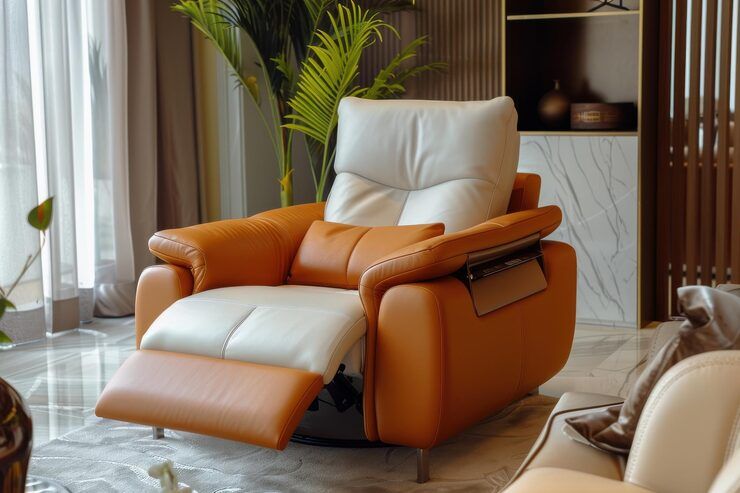
Importance: Why Premium Recliner Sofas Matter Today
Premium recliner sofas have become more relevant due to changing lifestyle patterns, increased time spent indoors, and greater attention to ergonomic well-being.
Why this topic matters today:
-
Ergonomic support: Adjustable positioning supports back and leg comfort
-
Multifunctional living spaces: Suitable for entertainment rooms, family areas, and compact apartments
-
Durability expectations: Premium materials provide long-term performance
-
Design integration: Modern recliners align with contemporary interior trends
-
User-centered comfort: Personalized seating positions improve relaxation quality
These sofas affect homeowners, interior designers, architects, furniture manufacturers, and ergonomics specialists. They address problems such as discomfort from prolonged sitting, lack of flexibility in seating arrangements, and limited support in traditional furniture.
Recent Updates: Trends and Developments (2024–2025)
Over the past year, premium recliner sofa designs have reflected broader changes in materials, functionality, and lifestyle trends.
| Year | Trend or Update | Impact on Design |
|---|---|---|
| 2024 | Increased use of high-resilience foam | Improved long-term shape retention |
| 2024 | Compact wall-hugger mechanisms | Better space optimization |
| 2025 | Quiet-motion motor systems | Smoother reclining experience |
| 2025 | Sustainable upholstery materials | Reduced environmental footprint |
Recent interior design reports from 2024 highlighted a shift toward neutral palettes, textured fabrics, and modular seating combinations. There has also been growing interest in recliners with integrated lumbar support adjustments and reinforced frame structures.
Laws, Standards, and Regulatory Influence
Premium recliner sofas are subject to furniture safety and material standards that vary by country.
Common regulatory considerations include:
-
Fire safety regulations: Upholstery fabrics and foam must meet flammability resistance standards
-
Consumer product safety guidelines: Address structural stability and mechanical durability
-
Chemical safety standards: Regulate the use of certain finishing substances in upholstery
-
Ergonomic guidelines: Encourage proper support for back and seating posture
In many regions, furniture manufacturers must comply with national safety frameworks to ensure that recliner mechanisms operate safely and materials meet environmental health standards.
Materials Used in Premium Recliner Sofas
Material selection significantly influences comfort, durability, and aesthetics.
Common upholstery materials include:
-
Genuine leather: Known for durability and refined appearance
-
Engineered leather alternatives: Provide consistent texture and easy maintenance
-
High-performance fabrics: Designed for stain resistance and breathability
-
Microfiber: Soft texture with strong wear resistance
Internal structural components:
-
Hardwood or reinforced frames
-
High-density or high-resilience foam cushioning
-
Steel or alloy reclining mechanisms
-
Reinforced stitching and support webbing
Material choice impacts longevity, maintenance needs, and overall user experience.
Reclining Mechanisms Explained
Premium recliner sofas rely on mechanical systems to deliver adjustable seating positions.
Main mechanism types:
-
Manual lever systems: Operated through side-mounted controls
-
Push-back mechanisms: Recline through body weight shift
-
Motorized systems: Controlled by integrated switches
-
Wall-hugger designs: Require minimal clearance from walls
-
Modular reclining systems: Allow independent adjustment of seat sections
The mechanism’s smoothness, noise level, and durability are key factors in determining long-term performance.
Tools and Resources for Informed Decisions
Understanding premium recliner sofas is supported by various informational tools and design resources.
Helpful resources include:
-
Interior design trend reports
-
Ergonomic seating guides
-
Upholstery material comparison charts
-
Furniture durability testing standards
-
Room layout planning templates
Practical tools:
-
Space measurement calculators
-
Seating height and depth reference charts
-
Fabric care guides
-
Frame construction evaluation checklists
These resources help individuals assess suitability, compatibility with living spaces, and long-term performance expectations.
Frequently Asked Questions
What makes a recliner sofa “premium”?
Premium models typically feature higher-quality materials, reinforced frames, smoother mechanisms, and refined design details.
Are motorized recliners more durable than manual ones?
Durability depends on build quality. Well-engineered motorized systems are designed for consistent long-term performance.
How much space is required for a recliner sofa?
Space needs vary by mechanism type. Wall-hugger designs require less clearance compared to traditional recliners.
What materials are best for long-term use?
High-resilience foam and reinforced frames support durability, while leather and performance fabrics resist wear.
Do recliner sofas support ergonomic comfort?
Yes, when properly designed, they support back alignment and leg elevation, contributing to relaxed posture.
Conclusion
Premium recliner sofa designs represent a blend of comfort engineering, material innovation, and modern interior aesthetics. As homes become multifunctional environments, adaptable seating solutions continue to gain importance. By understanding materials, mechanisms, regulatory standards, and current trends, individuals can make informed decisions aligned with their living needs and long-term expectations.
Premium recliners are not simply decorative elements—they are thoughtfully engineered furniture systems designed to enhance relaxation, support ergonomic comfort, and integrate seamlessly into contemporary living spaces.