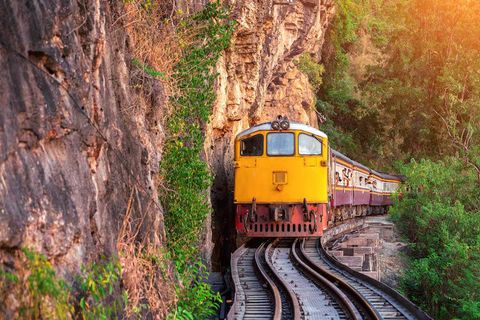
Guide to Heritage Railway Trips: Timeless Journeys, Preservation Facts, and Scenic Experiences
A guide to heritage railway trips introduces travelers to historic rail journeys that preserve older locomotives, carriages, and routes. These railways often date back to the early days of industrial transport, when trains played a central role in connecting regions and supporting economic growth. Over time, many of these lines were replaced or modernized, but some have been maintained or restored to reflect their original character.
Heritage railway trips focus on more than transportation. They highlight cultural history, engineering traditions, and scenic travel experiences. Passengers often encounter vintage steam engines, restored stations, and landscapes that have remained largely unchanged for decades. This combination of preservation and travel creates a unique way to understand the past.
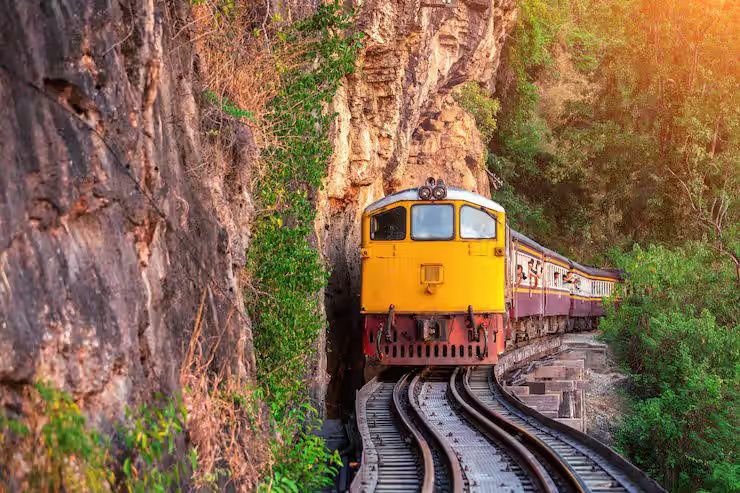
In many countries, including India, the United Kingdom, and parts of Europe, heritage railways are managed by organizations, volunteers, or public authorities. These groups aim to protect railway history while making it accessible to modern audiences. The concept continues to evolve as new preservation techniques and tourism interests shape how these journeys are presented.
Importance
A guide to heritage railway trips is relevant because it connects people with history in a direct and tangible way. Unlike museums, where artifacts are displayed statically, heritage railways allow individuals to experience movement, sound, and environment as they might have existed in earlier periods.
These journeys also support cultural awareness. By maintaining older railway systems, communities preserve knowledge about engineering methods, design practices, and regional development. This helps future generations understand how transportation influenced social and economic changes.
For everyday travelers, heritage railway trips provide an alternative to fast-paced travel. They emphasize slower movement, scenic observation, and historical context. This can address modern challenges such as travel fatigue or lack of engagement with local heritage.
Key reasons why this topic matters include:
- Cultural preservation: maintaining historical infrastructure and traditions
- Educational value: providing insights into engineering and transport history
- Regional identity: highlighting unique landscapes and local stories
- Sustainable tourism: encouraging reuse of existing infrastructure
Recent Updates
Recent years have seen steady interest in heritage railway trips, with several developments shaping how these journeys are experienced. Many railway operators have introduced digital tools for ticketing, scheduling, and historical interpretation. This helps visitors access information more easily while maintaining the traditional feel of the journey.
There is also a growing focus on sustainability. Some heritage railways are exploring alternative fuels or hybrid technologies to reduce environmental impact while preserving the appearance and operation of older locomotives. This reflects broader environmental concerns in the travel sector.
Another trend involves expanded storytelling. Heritage railway trips increasingly include guided narratives, audio experiences, and interactive exhibits. These additions help visitors understand preservation facts and the historical significance of specific routes.
In India, attention to UNESCO-recognized mountain railways has contributed to increased awareness of heritage rail travel. These routes continue to attract both domestic and international visitors interested in scenic experiences and cultural history.
Laws or Policies
Heritage railway trips are influenced by a range of laws and policies related to transport, heritage conservation, and tourism. In India, railway operations fall under the authority of Indian Railways, which oversees safety standards, infrastructure management, and operational guidelines.
Certain heritage railways are protected under cultural heritage frameworks. For example, UNESCO World Heritage recognition applies to specific mountain railways, requiring adherence to preservation standards. These standards ensure that original structures, routes, and operational methods are maintained as closely as possible.
Environmental regulations also play a role. Operators must follow guidelines related to emissions, land use, and resource management. This is particularly relevant for steam locomotives, which require careful handling to meet modern environmental expectations.
Key policy areas include:
- Safety regulations: ensuring passenger and operational safety
- Heritage protection laws: preserving historical accuracy and structures
- Environmental guidelines: managing emissions and ecological impact
- Tourism policies: supporting responsible travel practices
These frameworks help balance preservation with accessibility, ensuring that heritage railway trips remain both safe and historically meaningful.
Tools and Resources
A guide to heritage railway trips often includes various tools and resources that help travelers plan and understand their journeys. These resources range from official railway websites to mapping platforms and educational materials.
Commonly used tools include:
- Official railway portals: provide schedules, route details, and historical background
- Mapping applications: help visualize routes and nearby attractions
- Travel forums: share experiences and practical insights from other travelers
- Digital archives: offer historical records, photographs, and technical details
Below is a simple table outlining types of resources and their purposes:
| Resource Type | Purpose | Example Use Case |
|---|---|---|
| Railway Websites | Route information and booking details | Checking train schedules |
| Mapping Tools | Geographic visualization | Exploring scenic sections of a route |
| Travel Forums | User experiences and tips | Learning about journey conditions |
| Digital Archives | Historical research and preservation facts | Understanding railway history |
| Mobile Applications | Real-time updates and navigation | Tracking train progress |
These tools help travelers gain a clearer understanding of heritage railway trips while improving planning and accessibility.
FAQs
What are heritage railway trips?
Heritage railway trips are journeys on preserved or restored railway lines that use historic trains, tracks, and stations. They aim to showcase transportation history and provide scenic experiences.
Why are heritage railway trips important for preservation facts?
Heritage railway trips help maintain historical knowledge by preserving original equipment and infrastructure. They allow people to experience how rail travel functioned in earlier periods, supporting cultural and educational understanding.
Are heritage railway trips suitable for all age groups?
Yes, heritage railway trips are generally suitable for a wide range of age groups. They often provide a relaxed travel environment and educational value, making them accessible to families, students, and older travelers.
How do scenic experiences differ from regular train travel?
Scenic experiences on heritage railway trips focus on slower travel through landscapes such as mountains, forests, or rural areas. The emphasis is on observation and historical context rather than speed or efficiency.
Where can I find a guide to heritage railway trips?
A guide to heritage railway trips can be found on official railway websites, tourism portals, and travel platforms. These guides typically include route details, historical background, and practical information.
Conclusion
A guide to heritage railway trips provides insight into a unique form of travel that combines history, preservation, and scenic exploration. These journeys highlight the importance of maintaining cultural and engineering traditions while adapting to modern expectations. Through careful management and evolving practices, heritage railways continue to offer meaningful experiences. They serve as a link between past and present, allowing travelers to engage with history in a direct and immersive way.