Guide to Designer Handbags: Design Details, Heritage, and Iconic Style Knowledge
Designer handbags are fashion accessories created with a strong emphasis on craftsmanship, design identity, and material quality. These handbags often reflect the artistic direction of fashion houses and represent decades of design evolution. While handbags have existed for centuries as functional carriers of personal items, designer handbags emerged as distinctive fashion pieces during the late nineteenth and twentieth centuries.
Historically, handbags were simple pouches attached to clothing. As clothing styles evolved, particularly in Europe during the industrial and fashion revolutions, standalone handbags became common. Designers began to introduce distinctive shapes, decorative elements, and high-quality leatherwork, transforming handbags into symbols of craftsmanship and personal expression.
Today, designer handbags exist at the intersection of fashion design, heritage craftsmanship, and cultural identity. They represent not only functionality but also the history and design language of global fashion traditions.
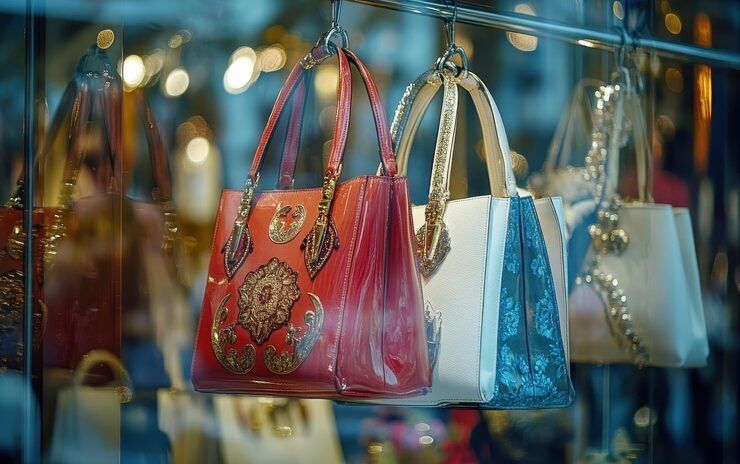
Importance: Why Designer Handbags Matter Today
Designer handbags remain influential in modern fashion and design culture. Their importance goes beyond aesthetics and includes craftsmanship preservation, economic activity, and cultural storytelling.
Key reasons this topic matters today:
-
Design heritage: Many handbags represent decades of craftsmanship and artistic tradition
-
Fashion identity: Handbags often define personal style and brand recognition
-
Craftsmanship preservation: Skilled leatherworking and hand-assembly techniques continue through designer production
-
Cultural symbolism: Certain handbag designs reflect historical fashion movements
-
Industry influence: Handbag design impacts broader trends in accessories and apparel
Designer handbags affect fashion designers, textile engineers, historians, retailers, stylists, and consumers interested in fashion heritage. They also support industries related to leather craftsmanship, textile innovation, and fashion education.
Recent Updates: Trends and Developments (2024–2025)
Over the past year, designer handbag trends have evolved through changing consumer values and design experimentation.
| Year | Trend or Development | Impact on Design |
|---|---|---|
| 2024 | Increased use of alternative materials | Greater focus on sustainable textiles |
| 2024 | Revival of archival handbag designs | Renewed interest in classic silhouettes |
| 2025 | Modular handbag structures | Bags designed with interchangeable components |
| 2025 | Digital authentication technology | Improved product verification and traceability |
Fashion exhibitions and design conferences in 2024 highlighted the revival of historical handbag models from past decades, showing how contemporary designers reinterpret traditional shapes while introducing modern materials and functionality.
Laws and Policies Affecting Designer Handbags
Designer handbags are influenced by multiple legal and regulatory frameworks that protect design originality, product safety, and ethical sourcing.
Common regulatory influences include:
-
Intellectual property laws: Protect brand logos, designs, and patterns from unauthorized copying
-
Trademark regulations: Ensure brand identity remains unique and recognizable
-
Consumer product safety standards: Address chemical safety in dyes, coatings, and materials
-
Wildlife and material sourcing regulations: Some regions regulate the use of exotic materials to protect endangered species
Many countries also enforce import and export documentation rules for luxury goods to ensure authenticity and compliance with international trade policies.
Design Details and Craftsmanship Elements
Designer handbags are known for distinctive design characteristics that differentiate them from ordinary accessories.
Important design components include:
-
Material selection: Premium leather, textiles, and hardware components
-
Structural engineering: Reinforced stitching and balanced weight distribution
-
Hardware design: Clasps, buckles, and metal accents that complement the design
-
Interior organization: Compartments designed for practicality and durability
-
Signature design language: Shapes and visual elements associated with specific fashion houses
These elements combine to create handbags that maintain both functionality and long-term aesthetic appeal.
Tools and Resources for Learning About Designer Handbags
People interested in designer handbags often use a variety of resources to learn about craftsmanship, design history, and fashion trends.
Helpful resources include:
-
Fashion design textbooks focusing on accessories
-
Museum collections featuring historical fashion items
-
Fashion archives and design exhibitions
-
Textile and leather craftsmanship guides
-
Fashion research journals
Practical learning tools:
-
Material identification guides
-
Leather care reference charts
-
Fashion history timelines
-
Design sketch templates for accessory creation
These resources help students, designers, and enthusiasts understand how handbags evolve from concept sketches to finished products.
Frequently Asked Questions
What makes a handbag a designer handbag?
A designer handbag is typically associated with a recognized fashion house and reflects a distinct design identity, craftsmanship approach, and material quality.
Why are designer handbags often associated with heritage?
Many brands have histories spanning decades or centuries, and their designs often reflect long-standing traditions and craftsmanship techniques.
What materials are commonly used in designer handbags?
High-quality leather, canvas textiles, metal hardware, and reinforced stitching materials are common components.
How do designers maintain uniqueness in handbag design?
Through signature shapes, unique hardware details, distinctive stitching patterns, and recognizable design elements.
Are designer handbags influenced by cultural trends?
Yes. Fashion trends, art movements, and cultural changes frequently inspire handbag designs and materials.
Conclusion
Designer handbags represent far more than practical accessories. They are products of design heritage, craftsmanship expertise, and evolving fashion culture. From their historical origins to their modern reinterpretations, these items reflect how artistry and functionality can merge in everyday objects.
Understanding the design details, historical context, industry regulations, and learning resources surrounding designer handbags provides valuable insight into the broader fashion ecosystem. As materials, sustainability approaches, and design methods continue to evolve, designer handbags will remain an important expression of creative identity and cultural craftsmanship.