Guide to Air Quality Monitoring Systems: Measurement Methods, Standards, and Key Knowledge
Air quality monitoring systems are tools and methods used to measure pollutants in the air and assess environmental conditions. These systems have developed over time as awareness of air pollution and its impact on health and ecosystems has grown. Early monitoring relied on simple observations, but modern approaches use advanced sensors, digital networks, and data analysis.
Air pollution can come from many sources, including vehicles, industrial activity, construction, agriculture, and natural events such as wildfires or dust storms. To understand and manage these factors, air quality monitoring systems provide structured ways to collect and interpret data. This helps governments, researchers, and communities understand what is present in the air and how it changes over time.
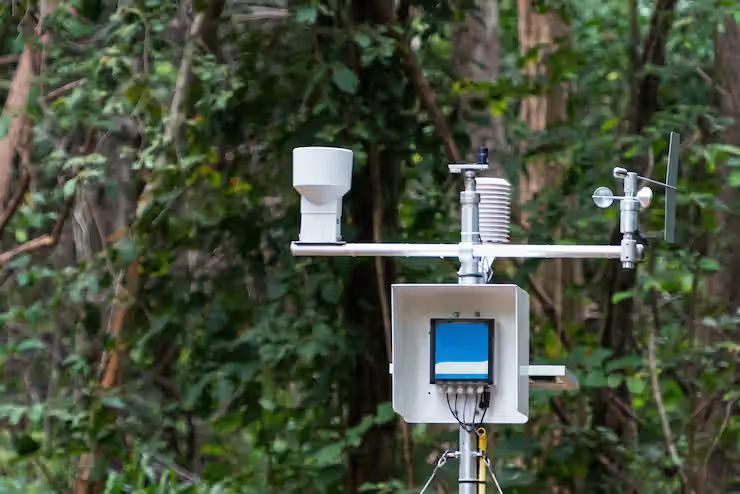
Measurement methods are a key part of these systems. They include techniques to detect gases like carbon monoxide, nitrogen dioxide, ozone, and particulate matter. Standards are also important, as they define acceptable limits and guide how data is collected and reported. Together, these elements form the foundation of air quality monitoring systems and the knowledge needed to interpret them.
Importance
Air quality monitoring systems play an important role in protecting public health and the environment. Poor air quality has been linked to respiratory conditions, cardiovascular issues, and reduced overall well-being. By measuring pollutants, these systems help identify risks and support efforts to reduce exposure.
For everyday people, air quality information can influence daily decisions. For example, individuals may adjust outdoor activities based on pollution levels. Schools and workplaces may also use this data to create safer environments.
Several real-world challenges are addressed through air quality monitoring systems:
- Health awareness: monitoring helps people understand when air conditions may affect breathing or comfort
- Urban planning: data supports decisions about traffic control, green spaces, and infrastructure
- Environmental protection: tracking pollution helps identify sources and reduce harm to ecosystems
- Climate understanding: long-term monitoring contributes to broader environmental research
In many regions, growing urbanization and industrial activity have increased the need for reliable monitoring systems. As a result, accurate measurement methods and clear standards have become more important than ever.
Recent Updates
Recent years have seen notable developments in air quality monitoring systems. Advances in sensor technology have made devices smaller, more portable, and capable of providing real-time data. This has allowed wider deployment in cities, rural areas, and even personal environments.
Another trend is the integration of digital platforms. Data collected from monitoring systems is now often shared through mobile apps and online dashboards. This makes it easier for the public to access air quality information and understand local conditions.
There has also been increased use of low-cost sensors. While traditional monitoring stations remain important for accuracy, these newer devices expand coverage and provide more localized insights. Researchers and communities can use them to identify pollution patterns that may not be visible through larger systems alone.
In addition, there is growing emphasis on data transparency and standardization. Efforts are being made to align measurement methods and reporting formats across regions. This helps ensure that data from different sources can be compared and understood consistently.
Overall, the trend points toward more accessible, connected, and data-driven air quality monitoring systems.
Laws or Policies
Air quality monitoring systems are guided by laws and policies that set limits for pollutants and define how monitoring should be conducted. These rules vary by country but share common goals of protecting health and the environment.
In India, air quality is managed under frameworks such as the National Ambient Air Quality Standards (NAAQS). These standards specify acceptable levels for pollutants like particulate matter (PM2.5 and PM10), sulfur dioxide, nitrogen dioxide, and ozone. Monitoring stations are used to measure these pollutants and ensure compliance.
Government programs also support monitoring efforts. For example:
- National Air Monitoring Programme (NAMP): collects data from monitoring stations across multiple cities
- Air Quality Index (AQI) system: translates complex data into a simplified scale for public understanding
- City action plans: focus on reducing pollution in areas with high levels of contaminants
Policies often include guidelines for industries, transportation, and urban development. They also encourage the use of standardized measurement methods to ensure accuracy and reliability.
These laws and policies shape how air quality monitoring systems operate and how their data is used in decision-making.
Tools and Resources
A variety of tools and resources support air quality monitoring systems and help users understand measurement methods and standards. These tools range from professional equipment to publicly accessible platforms.
Common tools include:
- Monitoring stations: fixed installations that measure multiple pollutants with high precision
- Portable sensors: smaller devices used for localized or personal monitoring
- Data platforms: online dashboards that display real-time and historical air quality data
- Mobile applications: provide updates, alerts, and explanations of air quality levels
- Analytical software: processes collected data and identifies trends
Below is a simple table showing common pollutants and how they are measured:
| Pollutant | Measurement Method | Common Unit |
|---|---|---|
| Particulate Matter | Optical sensors, gravimetric | µg/m³ |
| Carbon Monoxide | Electrochemical sensors | ppm |
| Nitrogen Dioxide | Chemiluminescence | µg/m³ or ppb |
| Ozone | UV photometric methods | ppb |
| Sulfur Dioxide | Fluorescence techniques | µg/m³ |
These tools and resources make it easier to understand how air quality monitoring systems function. They also help users interpret data in a meaningful way, even without technical expertise.
FAQs
What are air quality monitoring systems?
Air quality monitoring systems are methods and tools used to measure pollutants in the air. They collect data on substances such as particulate matter and gases to assess environmental conditions and support public awareness.
How do measurement methods work in air quality monitoring systems?
Measurement methods involve sensors and instruments that detect specific pollutants. Different techniques are used depending on the substance, such as optical sensors for particles or chemical reactions for gases.
Why are standards important in air quality monitoring systems?
Standards define acceptable pollution levels and ensure consistency in how data is collected and reported. They help governments and organizations compare results and take appropriate actions.
What is the Air Quality Index (AQI)?
The Air Quality Index is a scale that simplifies complex air pollution data into categories that are easier to understand. It indicates how clean or polluted the air is and what it may mean for health.
Can individuals use air quality monitoring systems?
Yes, portable sensors and mobile applications allow individuals to monitor local air conditions. While these tools may vary in precision, they provide useful insights into everyday air quality.
Conclusion
Air quality monitoring systems provide structured ways to measure and understand pollution in the air. Through defined measurement methods and established standards, they help translate complex data into meaningful information. These systems support public awareness, environmental protection, and informed decision-making. As technology continues to evolve, access to air quality information is becoming more widespread and easier to interpret. Understanding these systems helps individuals and communities better engage with environmental conditions.