Glass-Top Lounge Tables Overview: Basics, Explanation, Facts, and Useful Details
Glass-top lounge tables are a common element in modern interior design, often placed in living rooms, waiting areas, lounges, and hospitality environments. These tables combine transparent glass surfaces with bases made from materials such as metal, wood, stone, or engineered composites. The design allows the table to function as a practical surface while maintaining a light and open visual appearance.
The concept of glass furniture developed alongside advances in glass manufacturing technology. Stronger types of glass, including tempered and laminated glass, made it possible to create furniture pieces that are both visually appealing and structurally reliable. As living spaces evolved to emphasize openness and minimalism, glass-top tables became increasingly popular because they reflect light and help smaller rooms appear larger.
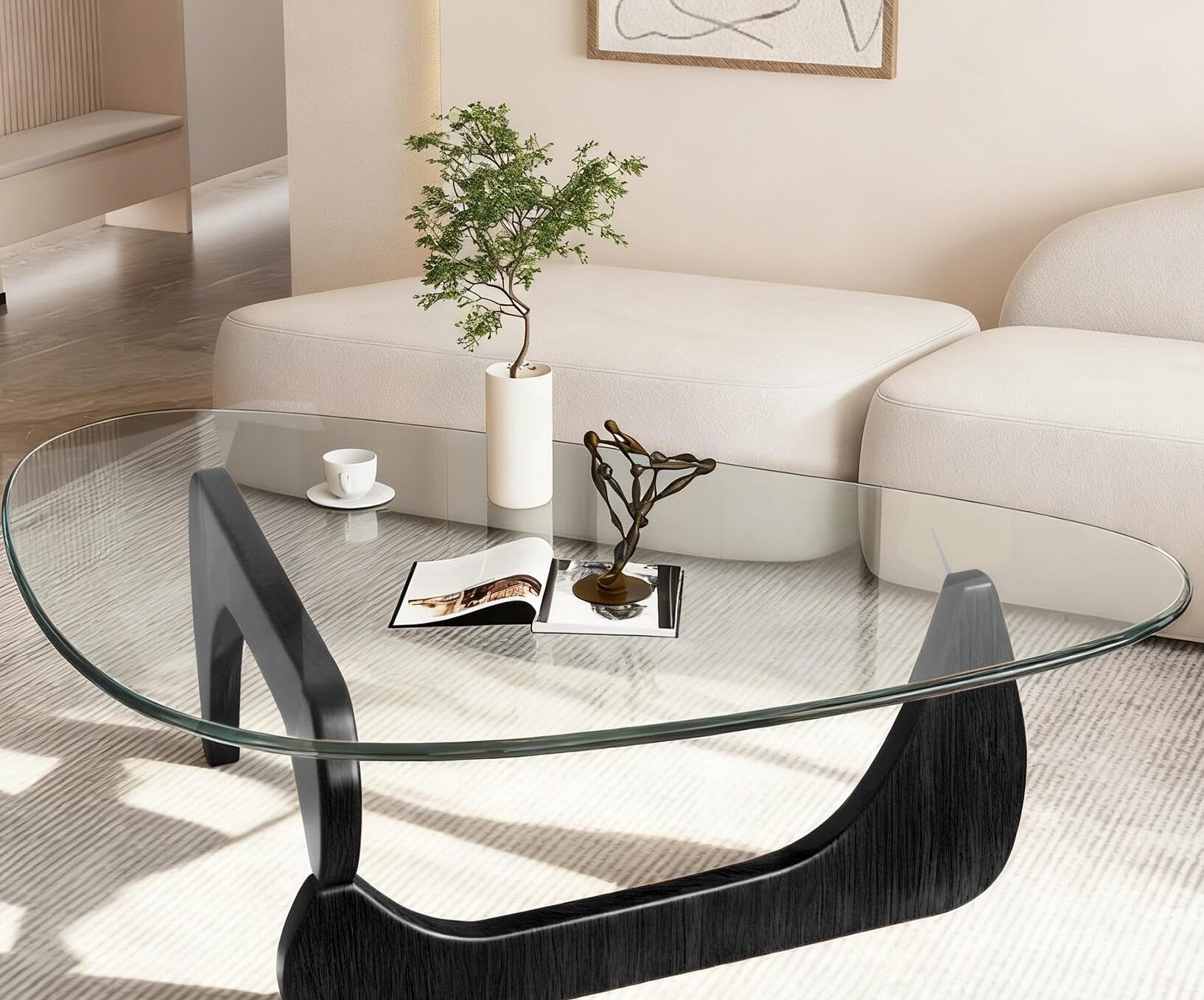
Glass-top lounge tables typically consist of two main components: the glass panel and the supporting base. The glass panel can vary in thickness, shape, and finish, while the base structure determines stability and overall style. Designers often use clear glass to highlight the base design, while frosted, tinted, or textured glass provides additional visual character.
Common characteristics of glass-top lounge tables include:
-
Transparent or translucent glass surfaces
-
Support bases made of wood, steel, aluminum, or composite materials
-
Rounded, rectangular, oval, or geometric shapes
-
Smooth edges and safety-treated glass
These tables are used in a wide variety of interior environments. In residential spaces, they are frequently placed near sofas or lounge chairs to hold decorative items, books, or lighting fixtures. In commercial settings such as offices or hotel lobbies, they serve as functional surfaces while contributing to the overall aesthetic of the space.
Why Glass-Top Lounge Tables Matter in Modern Interiors
Furniture design is closely connected to the way people use and experience indoor environments. Glass-top lounge tables play an important role in balancing functionality and visual openness. Their transparent surfaces allow natural or artificial light to pass through, which can make interiors appear brighter and more spacious.
In many contemporary homes and workplaces, interior design emphasizes minimalism and clean lines. Glass surfaces complement this design approach because they reduce visual clutter. Unlike solid wood or opaque materials, glass does not visually block other elements in a room.
Several factors explain why glass-top lounge tables remain relevant in interior environments:
-
Space optimization: Transparent surfaces help maintain an open appearance in compact rooms.
-
Versatile design compatibility: Glass pairs well with wood, metal, stone, and upholstered furniture.
-
Ease of maintenance: Smooth glass surfaces can be cleaned with standard household cleaning solutions.
-
Durability through technology: Tempered glass is engineered to be stronger than untreated glass.
The importance of these tables also extends to professional interior planning. Designers often use glass-top furniture to highlight flooring materials, rugs, or architectural elements that might otherwise be hidden by solid furniture.
The following table summarizes typical material combinations used in glass-top lounge tables.
| Glass Type | Base Material | Common Interior Style |
|---|---|---|
| Clear Tempered Glass | Stainless Steel | Modern / Contemporary |
| Frosted Glass | Wood | Scandinavian / Minimalist |
| Tinted Glass | Metal Frame | Industrial |
| Textured Glass | Stone Base | Luxury / Decorative |
These combinations allow designers to integrate lounge tables into many design themes without overwhelming the visual balance of a room.
Recent Design Trends and Developments
Interior design trends frequently evolve in response to technology, sustainability concerns, and changing lifestyle patterns. Over the past year, several developments have influenced how glass-top lounge tables are designed and used.
One noticeable trend is the increased use of sustainable and recyclable materials. Many furniture manufacturers are exploring glass produced through energy-efficient processes, while bases are often made from responsibly sourced wood or recycled metals. This reflects a broader shift toward environmentally responsible interior design.
Another emerging trend is the integration of multi-functional furniture. Lounge tables increasingly incorporate storage compartments, modular structures, or adjustable heights. These features make the tables adaptable to different living arrangements and activities.
Designers have also experimented with hybrid materials, combining glass with stone, resin, or ceramic elements. These combinations create distinctive visual textures while maintaining the transparency that characterizes glass furniture.
The following chart-style overview summarizes current design directions.
| Design Trend | Description | Interior Impact |
|---|---|---|
| Minimalist Frames | Slim metal or hidden support structures | Enhances visual openness |
| Sustainable Materials | Recycled metals and responsibly sourced wood | Supports eco-conscious interiors |
| Mixed Materials | Glass combined with stone or ceramic bases | Adds texture and contrast |
| Modular Designs | Adjustable or stackable components | Flexible furniture arrangement |
Advances in glass processing technology have also improved safety and durability. Tempered glass is produced through controlled heating and rapid cooling, which increases strength and reduces the likelihood of dangerous breakage. Laminated glass includes an interlayer that helps hold fragments together if damage occurs.
These technological improvements have expanded the range of furniture designs that incorporate glass surfaces.
Regulations, Safety Standards, and Furniture Guidelines
Furniture design and manufacturing are influenced by various safety guidelines and material standards. Glass furniture, including lounge tables, must meet structural and safety requirements to ensure safe everyday use.
Safety standards generally focus on several areas:
-
Glass strength requirements
-
Edge finishing and surface treatment
-
Load-bearing capacity
-
Impact resistance
Tempered glass is widely recommended for furniture because it is significantly stronger than ordinary glass. If breakage occurs, tempered glass tends to form small, blunt fragments rather than sharp shards, reducing the risk of injury.
Furniture safety standards often address the thickness of glass used for different table sizes. Thicker glass panels provide greater structural stability and resistance to bending or cracking under weight.
In addition to glass standards, regulations may also apply to:
-
Metal frame stability
-
Adhesive bonding methods
-
Surface coatings and finishes
-
Environmental compliance for materials
Many manufacturers follow internationally recognized safety testing procedures to ensure furniture meets durability expectations. Certification labels or testing documentation may indicate that the furniture has undergone stress testing, load testing, and stability evaluation.
These standards help protect consumers and promote consistency in furniture manufacturing practices.
Tools, Resources, and Helpful Information Platforms
A variety of digital tools and informational resources can assist individuals who are researching furniture design, interior planning, or material characteristics. These tools provide guidance on layout, measurements, and material comparisons.
Common resources related to glass-top lounge tables include:
• Interior design planning software – Tools that help visualize furniture placement within a room layout.
• Room measurement calculators – Applications that estimate furniture proportions relative to room size.
• Material comparison guides – Online databases explaining glass types, finishes, and durability properties.
• Furniture design templates – Layout references used in architecture and interior planning.
• 3D modeling platforms – Software that allows designers to create digital models of furniture arrangements.
These tools support informed decisions when planning interior spaces or evaluating furniture features.
The following table lists examples of helpful resource categories.
| Resource Type | Purpose |
|---|---|
| Room Layout Calculators | Estimate space planning and furniture placement |
| Material Guides | Explain glass strength, finishes, and durability |
| 3D Visualization Tools | Create digital interior design models |
| Furniture Specification Databases | Provide technical details about materials and dimensions |
Using such resources helps individuals understand how glass-top tables fit into broader interior design strategies.
Frequently Asked Questions
What type of glass is typically used in lounge tables?
Most glass-top lounge tables use tempered glass because it is stronger and safer than regular glass. Tempered glass undergoes heat treatment that increases its resistance to impact and pressure.
Are glass-top lounge tables durable for everyday use?
When designed with tempered or laminated glass and stable base structures, these tables are suitable for everyday environments such as living rooms, offices, and waiting areas.
Do glass-top tables require special maintenance?
Maintenance generally involves cleaning the glass surface with standard glass cleaning solutions and a soft cloth. This helps maintain clarity and prevents surface streaks.
How thick is the glass used in lounge tables?
Glass thickness varies depending on table size and design. Larger tables typically use thicker panels to maintain structural stability.
What design styles commonly use glass-top lounge tables?
These tables appear in many interior styles, including modern, minimalist, contemporary, and industrial designs because the transparency of glass complements various materials and textures.
Conclusion
Glass-top lounge tables illustrate how material innovation and interior design principles can work together to create functional and visually balanced furniture. Their transparent surfaces help maintain open spaces, while durable glass technologies provide structural reliability.
The continuing development of stronger glass materials, sustainable manufacturing practices, and flexible furniture designs has expanded the possibilities for glass-top tables in residential and professional interiors. Safety standards and design guidelines further ensure that these tables meet durability and stability expectations.