Gas Power Plants: An Explore Guide with Overview, Basics, Explanation, and Essential Knowledge
Gas power plants are electricity generation facilities that convert natural gas into electrical energy. They are a core component of modern power grids, supporting residential, commercial, and industrial electricity demand.
The concept developed as countries sought flexible and scalable alternatives to coal-fired power stations. Advances in gas turbine engineering and pipeline infrastructure allowed natural gas to become a dominant fuel for thermal power generation.
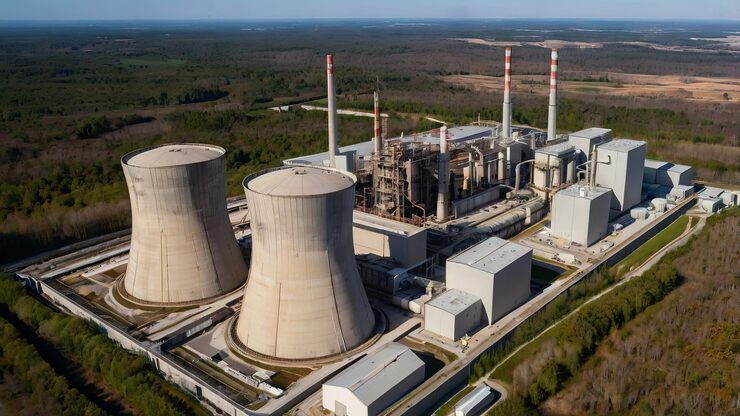
There are two main types:
-
Simple Cycle Gas Turbine (SCGT): Uses a single gas turbine to generate electricity. It starts quickly and is commonly used for peak load power generation.
-
Combined Cycle Gas Turbine (CCGT): Captures waste heat from the gas turbine to produce additional steam power, significantly increasing efficiency.
At the heart of a gas power plant is a thermodynamic cycle governed by pressure, temperature, and fuel combustion.
The ideal gas law above illustrates the fundamental relationship between pressure (p), volume (v), temperature (T), and amount of gas (n). While real turbines operate under complex engineering conditions, these gas behavior principles underpin combustion and expansion processes inside turbines.
Gas power plants exist to:
-
Provide stable and dispatchable electricity
-
Support grid balancing during renewable fluctuations
-
Deliver fast-response capacity during demand surges
-
Reduce emissions compared to traditional coal plants
Importance – Why Gas Power Plants Matter Today
Natural gas power generation plays a strategic role in the global energy mix. As countries transition toward renewable energy, gas plants often function as a bridging technology.
Key reasons gas power plants remain important:
-
Grid Reliability: They can ramp up quickly to compensate for solar and wind variability.
-
High Efficiency: Modern CCGT plants can achieve thermal efficiency levels above 60%.
-
Lower Carbon Intensity: Natural gas emits significantly less CO₂ than coal per unit of electricity.
-
Industrial Power Stability: Data centers, manufacturing facilities, and smart infrastructure rely on continuous electricity supply.
Efficiency Comparison Table
| Power Plant Type | Typical Efficiency | Startup Speed | Carbon Emissions Intensity |
|---|---|---|---|
| Coal-Fired | 33–40% | Slow | High |
| Simple Cycle Gas | 35–40% | Very Fast | Moderate |
| Combined Cycle Gas | 55–62% | Fast | Lower than coal |
| Solar PV | Variable | Instant | Near Zero (operational) |
Gas turbines integrate well with:
-
Carbon capture and storage (CCS)
-
Hydrogen blending technologies
-
Liquefied natural gas (LNG) systems
-
Distributed energy resources
For energy-intensive sectors such as IT infrastructure, oil & gas processing, and advanced manufacturing, gas plants provide predictable and scalable power generation capacity.
Recent Updates – Trends and Developments
Global energy markets continue adapting to climate commitments and fuel supply volatility.
Recent developments include:
Hydrogen Co-Firing Expansion:
Several regions are testing hydrogen blending in gas turbines to reduce lifecycle emissions. Blends of 20–30% hydrogen by volume are being piloted in large CCGT facilities.
Advanced Turbine Efficiency Improvements:
Next-generation industrial gas turbines are designed for higher firing temperatures and digital performance optimization.
Carbon Pricing Mechanisms:
Carbon markets in multiple regions have adjusted emission allowances, influencing operational strategies for thermal power producers.
LNG Infrastructure Growth:
New LNG regasification terminals have strengthened energy security in regions facing supply constraints.
Digital Power Plant Monitoring:
AI-driven predictive maintenance systems are increasingly integrated into gas turbine power plants, reducing downtime and improving thermal efficiency.
These trends highlight the evolving role of natural gas in balancing energy transition goals with economic growth and industrial expansion.
Laws or Policies – Regulatory and Government Framework
Gas power plants operate under environmental, energy market, and emissions regulations that vary by country.
Key regulatory factors include:
-
Emission Standards: Limits on nitrogen oxides (NOx) and greenhouse gases.
-
Carbon Trading Schemes: Participation in domestic or international carbon markets.
-
Fuel Supply Regulation: LNG imports and domestic gas allocation frameworks.
-
Grid Compliance Codes: Frequency and dispatch compliance rules.
Government programs increasingly focus on:
-
Efficiency upgrades
-
Retrofitting with carbon capture systems
-
Transition toward hydrogen-ready turbines
-
Energy transition roadmaps aligned with net-zero targets
Policy direction aims to balance energy security, economic development, and environmental responsibility.
Tools and Resources – Helpful Platforms and Utilities
Energy professionals and analysts use various tools to evaluate gas power plant performance and compliance.
Energy Modeling Software
-
Thermodynamic cycle analysis tools
-
Combined cycle performance calculators
-
Power generation simulation platforms
Regulatory & Market Resources
-
Electricity regulatory authority portals
-
Carbon market dashboards
-
Grid operator dispatch data platforms
Data & Monitoring Tools
-
SCADA systems for real-time monitoring
-
Predictive maintenance analytics software
-
Emission tracking and reporting systems
Engineering Reference Resources
-
Turbine technical manuals
-
Energy efficiency benchmarking databases
-
Global energy statistical reports
Carbon Accounting Tools
-
Emissions factor calculators
-
Lifecycle analysis frameworks
-
Environmental reporting templates
These tools support operational optimization, regulatory compliance, and performance benchmarking.
FAQs – Common Questions About Gas Power Plants
What fuel do gas power plants use?
They primarily use natural gas. Some advanced facilities can operate on hydrogen blends or synthetic gas mixtures.
How efficient are combined cycle gas plants?
Modern CCGT plants can achieve efficiencies above 60%, significantly higher than many traditional thermal stations.
Are gas power plants environmentally friendly?
They emit less carbon dioxide than coal plants but still produce greenhouse gases. Technologies like carbon capture and hydrogen blending can reduce emissions further.
How quickly can a gas plant start producing electricity?
Simple cycle plants can reach full load within minutes, making them ideal for peak demand and grid stabilization.
Can gas power plants support renewable energy integration?
Yes. They provide backup power when wind or solar output fluctuates, improving overall grid reliability.
Conclusion
Gas power plants remain a critical pillar of global electricity infrastructure. Their combination of high efficiency, rapid dispatch capability, and relatively lower carbon intensity positions them as a transitional energy solution in the evolving energy landscape.
With advancements in combined cycle technology, hydrogen integration, carbon capture, and digital performance optimization, natural gas power generation continues adapting to modern sustainability expectations.
While renewable energy capacity expands worldwide, gas-fired power plants provide stability, scalability, and industrial-grade reliability that many economies currently depend on. Future developments will likely focus on emission reduction technologies, regulatory compliance, and enhanced operational efficiency.