Gas Control Valves Explained: Basics, Working Principles and Practical Insights
Gas control valves are mechanical devices used to regulate the flow and pressure of gas within a system. They play a critical role in ensuring that gas moves safely and efficiently through pipelines, appliances, and industrial equipment. These valves act as control points that can start, stop, or adjust the amount of gas passing through a system.
In many environments where gases are used—such as heating systems, manufacturing facilities, power generation equipment, and laboratory setups—maintaining proper gas flow is essential. Without control mechanisms, gas pressure could become unstable, leading to inefficient performance or potential safety risks.
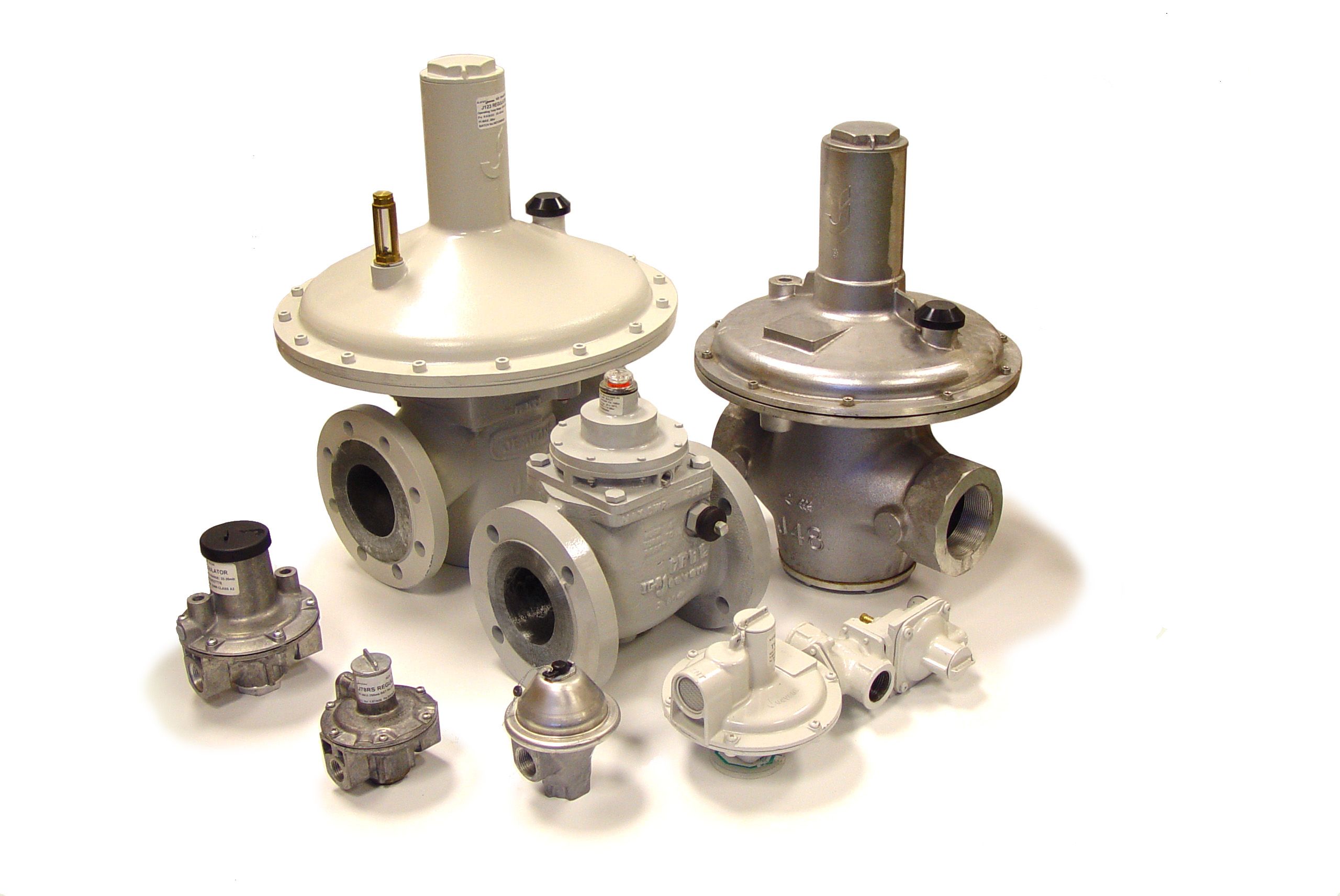
A gas control valve works by opening, closing, or partially obstructing a passage to control the rate at which gas travels through a pipeline or device. The design often includes internal components such as diaphragms, springs, actuators, or electronic sensors that respond to pressure levels or control signals.
Gas control valves exist primarily to solve three technical challenges:
-
Maintaining stable gas pressure within systems
-
Preventing uncontrolled gas flow
-
Allowing operators or automated systems to regulate gas delivery precisely
Because gas is widely used in both residential and industrial applications, the ability to control it accurately has become a fundamental requirement in engineering design.
The development of these valves reflects broader progress in industrial automation and safety engineering. Early gas systems relied on simple manual valves, but modern designs integrate advanced sensing technology and automated control systems that improve precision and reliability.
Why Gas Control Valves Matter in Modern Systems
Gas control valves are essential for maintaining operational stability across many industries. Their importance lies not only in regulating gas flow but also in protecting infrastructure and ensuring system reliability.
In heating systems, for example, valves regulate the amount of fuel entering burners so that temperatures remain consistent. In industrial manufacturing, they help maintain the correct gas mixture for processes such as metal treatment, chemical production, and energy generation.
Several key benefits explain why these devices remain a core part of gas-based systems.
Operational safety
Gas pressure that exceeds safe limits can lead to equipment damage or hazardous conditions. Control valves help prevent these situations by maintaining regulated pressure levels.
Process efficiency
Accurate gas flow improves combustion performance, production stability, and energy efficiency. This is particularly important in industrial processes that require precise temperature control.
System protection
Valves reduce stress on pipelines and equipment by preventing sudden pressure fluctuations. Stable flow conditions help extend the operational lifespan of machinery.
Automation compatibility
Modern gas systems often integrate with digital monitoring and automated control networks. Gas control valves designed for automation can respond to electronic signals and adjust flow rates accordingly.
Industries that commonly rely on gas control valves include:
-
Power generation facilities
-
Chemical processing plants
-
Residential and commercial heating systems
-
Oil and gas infrastructure
-
Food and beverage processing equipment
-
Laboratory and research environments
The widespread use of gas across these sectors means that reliable flow regulation remains a critical engineering requirement.
Basic Working Principles of Gas Control Valves
Although valve designs vary depending on application, most gas control valves operate using similar mechanical principles.
The fundamental purpose is to adjust the opening inside the valve body, which determines how much gas can pass through.
Below is a simplified overview of the typical components and their functions.
| Component | Function |
|---|---|
| Valve Body | Main structure that contains gas flow passage |
| Actuator | Moves the valve mechanism to open or close |
| Diaphragm or Piston | Responds to pressure changes |
| Spring Mechanism | Maintains balance between pressure and control force |
| Control Interface | Allows manual or automated adjustment |
When gas pressure enters the valve, internal sensors or mechanical components detect the pressure level. If pressure rises above a set point, the valve partially closes to restrict flow. If pressure drops below the target level, the valve opens wider to allow more gas to pass.
This dynamic balancing process helps maintain stable system conditions.
Another important feature in many valves is modulation, which allows gradual adjustment rather than simple on/off control. Modulating valves provide finer control over gas delivery and improve efficiency in many systems.
Recent Developments and Industry Trends
Technological progress has influenced the design and operation of gas control valves in recent years. Engineers and manufacturers have introduced improvements that enhance monitoring, automation, and safety.
Several notable developments have emerged across industrial and energy sectors.
Smart valve technology
Recent valve systems increasingly integrate sensors and digital monitoring. These systems can transmit operational data to control centers or monitoring platforms, allowing real-time performance tracking.
Smart valves are particularly useful in large infrastructure networks where remote monitoring improves system reliability.
Integration with industrial automation
Modern manufacturing environments often rely on automated process control. Gas valves designed for automation can connect with industrial control systems such as distributed control systems (DCS) or programmable logic controllers (PLC).
This integration enables automatic adjustments based on system conditions.
Improved materials and durability
Advances in material science have led to valve components that resist corrosion, high temperatures, and pressure stress. These improvements extend the operational lifespan of gas handling equipment.
Focus on energy efficiency
Energy optimization initiatives across many industries have increased attention on gas regulation efficiency. Improved valve precision helps reduce energy losses and maintain stable combustion conditions.
Enhanced leak detection technologies
Recent safety research has emphasized the importance of early leak detection in gas systems. Some modern valves incorporate monitoring features that help identify abnormal flow patterns.
These technological shifts reflect a broader trend toward smarter and more resilient industrial infrastructure.
Regulatory Considerations and Safety Frameworks
Gas control valves operate within safety frameworks designed to protect infrastructure, workers, and surrounding environments. Because gases can be flammable or hazardous, strict technical standards often guide how equipment is designed, installed, and maintained.
Several regulatory principles commonly influence gas valve systems.
Equipment safety standards
Engineering standards define acceptable pressure limits, testing procedures, and performance requirements for gas-handling components. These standards help ensure that valves operate safely under expected conditions.
Inspection and certification requirements
Industrial gas systems often require periodic inspections and certification to verify that equipment continues to meet safety expectations. Inspection procedures may include leak detection tests and pressure verification.
Environmental safety guidelines
Some gases used in industrial processes may affect environmental conditions if released. Regulations may therefore require monitoring systems that help detect leaks or irregular flow patterns.
Installation and maintenance protocols
Guidelines typically outline best practices for installing valves in pipelines, including correct orientation, sealing methods, and compatibility with other system components.
Compliance with these frameworks supports safe operation and reduces the likelihood of accidents or system failures.
Useful Tools and Resources for Learning and System Management
Professionals and students working with gas control systems often rely on technical tools and educational resources to better understand valve performance and system design.
The following categories highlight commonly used resources.
Engineering calculators
-
Gas flow rate calculators
-
Pressure drop estimation tools
-
Valve sizing calculators
These tools help engineers estimate the correct valve size and capacity for a particular system.
Technical documentation libraries
Many organizations publish technical manuals and engineering reference guides that explain valve design principles and installation practices.
Process simulation software
Simulation tools allow engineers to model gas flow through pipelines and equipment. These models help predict system behavior under different conditions.
Industrial monitoring platforms
Modern infrastructure often includes monitoring dashboards that display real-time data related to pressure, temperature, and gas flow rates.
Educational resources
Learning materials about industrial valve systems can be found in:
-
Engineering textbooks
-
Technical training platforms
-
Academic research publications
-
Professional engineering organizations
These resources provide valuable insights into both fundamental concepts and advanced system design.
Frequently Asked Questions About Gas Control Valves
What is the primary function of a gas control valve?
A gas control valve regulates the flow and pressure of gas within a pipeline or system. By adjusting the internal opening, the valve helps maintain stable operating conditions and prevents uncontrolled gas movement.
How does a gas control valve differ from a shut-off valve?
A shut-off valve typically provides simple open or closed operation. A gas control valve, however, can regulate flow gradually, allowing precise control over gas delivery.
Where are gas control valves commonly used?
These valves are widely used in heating equipment, industrial manufacturing systems, chemical processing plants, energy facilities, and laboratory environments where gas flow must be controlled accurately.
Can gas control valves operate automatically?
Yes. Many modern valves integrate with automated control systems and sensors. These systems allow the valve to adjust flow based on pressure levels or digital control signals.
Why is valve sizing important in gas systems?
Proper valve sizing ensures that the valve can handle the required gas flow without causing pressure instability. Incorrect sizing may lead to inefficient operation or system stress.
Example Representation of Gas Flow Regulation
The diagram below illustrates a simplified concept of how gas flow can change depending on valve opening position.
| Valve Opening | Gas Flow Level | System Impact |
|---|---|---|
| Narrow Opening | Low Flow | Reduced pressure and limited gas supply |
| Moderate Opening | Balanced Flow | Stable operation in most systems |
| Wide Opening | High Flow | Increased pressure and maximum gas delivery |
Although actual systems involve more complex calculations, this simplified model shows how valve adjustments influence gas movement.
Conclusion
Gas control valves are essential components in systems that rely on controlled gas flow. By regulating pressure and adjusting the volume of gas passing through pipelines or equipment, these valves help maintain operational stability and support safe system performance.
Their design combines mechanical engineering principles with increasingly sophisticated monitoring technology. From residential heating systems to large industrial infrastructure, gas control valves serve as a critical link between gas supply and system functionality.
Recent developments in automation, smart monitoring, and improved materials continue to enhance valve reliability and precision. At the same time, safety frameworks and engineering standards guide how these devices are designed and maintained.