Gas Compressor Machines: Complete Guide to Working Principles, Types, and Industrial Applications
Gas compressor machines are mechanical devices designed to increase the pressure of gases by reducing their volume. This concept is based on basic physical principles where compressing a gas raises its energy level, making it useful for transportation, storage, and various industrial processes. These machines have been used for decades in industries such as manufacturing, energy production, and refrigeration.
The development of gas compressor machines is closely linked to the growth of industrialization. As industries expanded, the need to move gases like air, natural gas, and industrial gases efficiently became essential. Over time, compressor designs evolved to improve efficiency, reliability, and adaptability to different applications.
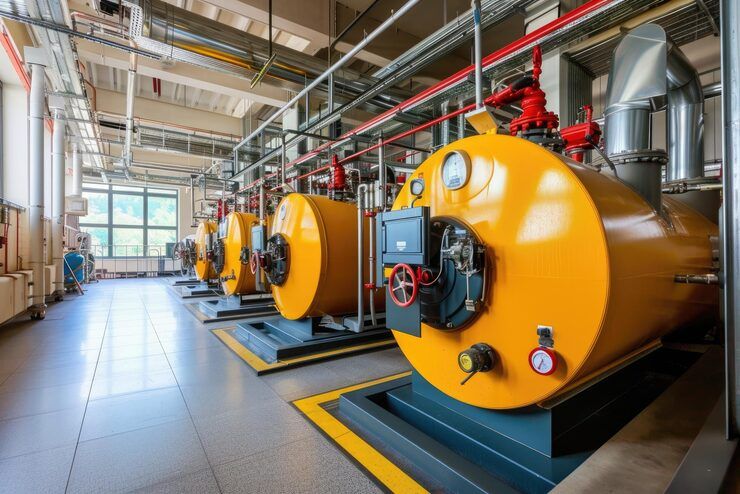
Today, gas compressor machines are found in many everyday systems, including air conditioning units, refrigeration systems, and fuel transport pipelines. Their widespread use makes them an important part of modern infrastructure.
Importance
Gas compressor machines play a key role in supporting industrial and everyday operations. They enable the movement and storage of gases, which are essential for energy systems, manufacturing processes, and environmental control.
In energy sectors, compressors are used to transport natural gas through pipelines over long distances. In manufacturing, they provide compressed air for tools, automation systems, and material handling. In households, they are part of cooling systems that regulate indoor temperatures.
Some common problems that gas compressor machines help address include:
- Efficient gas transportation: Moving gases over long distances without significant loss
- Energy conversion: Supporting systems that rely on compressed gas for power or cooling
- Industrial productivity: Enabling tools and machines to operate smoothly
- Environmental control: Maintaining temperature and air quality in enclosed spaces
Without these machines, many modern systems would face operational challenges, especially where controlled pressure and flow of gases are required.
Working Principles
Compression Process
The working principle of gas compressor machines involves reducing the volume of gas to increase its pressure. This process typically follows these steps:
- Intake: Gas enters the compressor at low pressure
- Compression: The gas is compressed using mechanical force
- Discharge: High-pressure gas exits the compressor for use or storage
This process may vary slightly depending on the type of compressor, but the core concept remains the same.
Types of Compression Methods
Gas compressor machines generally use two main methods:
- Positive displacement: Gas is trapped in a chamber and compressed by reducing its volume
- Dynamic compression: Gas velocity is increased and then converted into pressure
Both methods are widely used, depending on the application and required pressure levels.
Types of Gas Compressor Machines
Gas compressor machines are categorized based on their design and operating principles. Each type is suited for specific applications.
Positive Displacement Compressors
These compressors work by trapping gas in a confined space and reducing its volume.
- Reciprocating compressors: Use pistons to compress gas in a cylinder
- Rotary screw compressors: Use two rotating screws to compress gas continuously
- Rotary vane compressors: Use rotating vanes inside a chamber
These types are commonly used in applications requiring high pressure and controlled flow.
Dynamic Compressors
Dynamic compressors increase gas velocity and convert it into pressure.
- Centrifugal compressors: Use rotating impellers to accelerate gas outward
- Axial compressors: Compress gas along the axis of rotation using multiple blades
These compressors are often used in large-scale industrial systems and energy applications.
Comparison of Common Compressor Types
| Compressor Type | Working Method | Typical Use Case | Pressure Range |
|---|---|---|---|
| Reciprocating | Piston-based | Industrial tools, gas storage | High |
| Rotary Screw | Twin rotating screws | Manufacturing, automation | Medium to High |
| Rotary Vane | Rotating vanes | Small systems, workshops | Medium |
| Centrifugal | High-speed impellers | Power plants, gas pipelines | Medium to High |
| Axial | Multi-stage blade system | Aviation, large facilities | Medium |
Industrial Applications
Gas compressor machines are used across various industries due to their ability to manage gas pressure and flow effectively.
Energy and Power
In the energy sector, compressors are used to transport natural gas through pipelines and to support power generation systems. They help maintain consistent pressure levels, ensuring stable energy supply.
Manufacturing and Automation
Manufacturing industries rely on compressed air systems powered by gas compressor machines. These systems operate tools, machinery, and automated production lines.
Oil and Gas Industry
In oil and gas operations, compressors are used for gas processing, storage, and transportation. They play a role in refining processes and maintaining pressure in wells.
Refrigeration and Cooling
Gas compressor machines are essential in refrigeration systems, where they circulate refrigerants to absorb and release heat. This process is used in air conditioning, cold storage, and food preservation.
Healthcare and Laboratories
Compressed gases are used in medical equipment and laboratory instruments. Gas compressor machines ensure a steady supply of gases required for various applications.
Recent Updates
In recent years, gas compressor machines have seen improvements in efficiency, monitoring, and environmental performance. One notable trend is the integration of digital technologies that allow real-time monitoring and predictive maintenance.
Manufacturers are increasingly focusing on energy-efficient designs to reduce power consumption. This includes the use of advanced materials, improved sealing techniques, and optimized airflow systems.
Another development is the growing use of automation and smart control systems. These systems adjust compressor performance based on demand, helping reduce energy usage and improve operational stability.
Environmental considerations are also influencing compressor design. There is a shift toward reducing emissions, minimizing noise levels, and improving overall sustainability in industrial operations.
Laws or Policies
Gas compressor machines are subject to various regulations that ensure safety, efficiency, and environmental protection. These rules vary by country but generally cover design standards, operation, and maintenance.
In India, regulations related to gas compressor machines are influenced by organizations such as the Bureau of Indian Standards (BIS) and the Petroleum and Explosives Safety Organization (PESO). These bodies establish guidelines for equipment safety and handling of gases.
Key regulatory aspects include:
- Safety standards: Ensuring compressors operate without risk of failure or leakage
- Environmental regulations: Limiting emissions and noise levels
- Energy efficiency norms: Encouraging reduced energy consumption
- Inspection requirements: Periodic checks to ensure proper functioning
Compliance with these regulations helps maintain safe working conditions and reduces environmental impact.
Tools and Resources
Several tools and resources can help individuals and organizations understand and manage gas compressor machines more effectively.
- Performance calculators: Used to estimate pressure, flow rate, and efficiency
- Monitoring software: Tracks compressor performance and detects issues early
- Technical manuals: Provide guidance on installation, operation, and maintenance
- Industry standards documents: Offer detailed information on compliance requirements
- Educational platforms: Provide courses and tutorials on compressor technology
These resources support better decision-making and improve understanding of compressor systems.
FAQs
What are gas compressor machines used for?
Gas compressor machines are used to increase the pressure of gases for transportation, storage, and industrial processes. They are commonly found in energy systems, manufacturing, and refrigeration.
How do gas compressor machines work?
Gas compressor machines work by reducing the volume of gas, which increases its pressure. This is achieved through mechanical components such as pistons, screws, or rotating blades.
What are the main types of gas compressor machines?
The main types include positive displacement compressors (such as reciprocating and rotary screw) and dynamic compressors (such as centrifugal and axial). Each type serves different industrial needs.
Where are gas compressor machines commonly used?
They are used in industries like oil and gas, manufacturing, energy production, refrigeration, and healthcare. They are also part of everyday systems like air conditioners.
Why are gas compressor machines important in industrial applications?
Gas compressor machines are important because they enable efficient gas movement, support industrial processes, and maintain pressure levels required for various operations.
Conclusion
Gas compressor machines are essential devices that support a wide range of industrial and everyday applications. By increasing gas pressure, they enable efficient transportation, storage, and usage of gases across multiple sectors. Their working principles and types vary, allowing them to meet different operational needs. Ongoing advancements continue to improve their efficiency and environmental performance, making them an important part of modern infrastructure.