Gas Compressor Machines: Complete Guide to Working Principles, Types, and Industrial Applications
Gas compressor machines are mechanical systems designed to increase the pressure of gases by reducing their volume. They achieve this by drawing in gas, compressing it through mechanical or dynamic processes, and releasing it at a higher pressure level. These machines exist because many industrial operations require gases to be transported, stored, or processed under controlled pressure conditions.
In natural environments, gases expand freely and occupy large volumes. Industrial systems, however, often need gases to move through pipelines, operate turbines, support chemical reactions, or power mechanical equipment. Compressors solve this challenge by converting mechanical energy into pressure energy.
Gas compressor machines are used in sectors such as energy production, petrochemical processing, refrigeration systems, manufacturing, and gas distribution infrastructure. Without compression technology, transporting natural gas across long distances or operating large industrial facilities would be extremely inefficient.
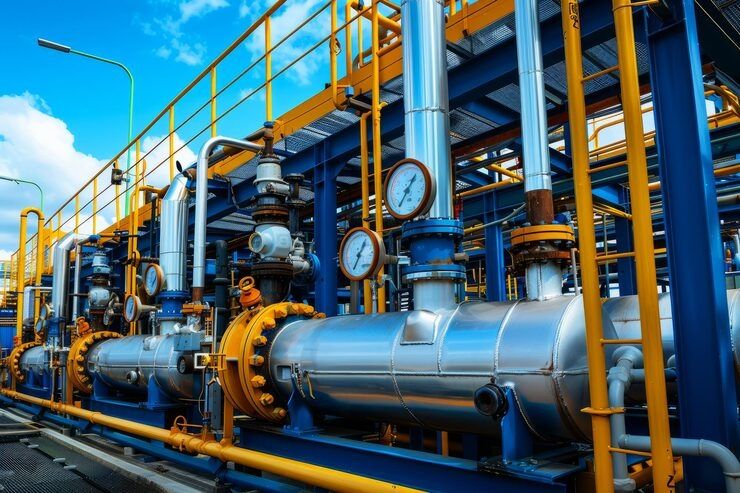
Importance: Why Gas Compressor Machines Matter Today
Gas compressors are essential to modern industry because they support energy transport, industrial processing, and infrastructure operations.
Key reasons this topic matters today include:
-
Energy transportation: Natural gas pipelines rely on compressors to move gas across long distances
-
Industrial manufacturing: Many processes require pressurized gas for chemical reactions or equipment operation
-
Refrigeration and cooling systems: Compressors enable controlled circulation of refrigerant gases
-
Power generation: Turbines and gas-powered systems depend on stable compressed gas flow
-
Infrastructure reliability: Gas storage and distribution networks rely on pressure regulation
These machines affect engineers, pipeline operators, plant managers, energy infrastructure planners, and mechanical maintenance specialists. They solve challenges related to gas transport efficiency, pressure regulation, storage capacity, and process stability.
In industries such as oil and gas, chemical processing, power plants, and industrial manufacturing, compressors are considered critical equipment for continuous operation.
Recent Updates: Industry Trends and Developments (2024–2025)
Over the past year, gas compressor technology has advanced in areas such as energy efficiency, emissions control, and monitoring capabilities.
| Year | Development or Trend | Industrial Impact |
|---|---|---|
| 2024 | Adoption of advanced monitoring systems | Improved predictive maintenance |
| 2024 | High-efficiency compressor designs | Reduced energy consumption |
| Early 2025 | Integration with digital monitoring platforms | Better performance tracking |
| 2025 | Improved sealing and cooling technologies | Increased operational reliability |
Recent research published in 2024 engineering journals also highlighted improvements in aerodynamic impeller design and vibration monitoring, helping detect faults earlier and maintain stable compressor performance.
Laws, Regulations, and Policy Influence
Gas compressor machines are subject to strict safety and environmental regulations because they operate under high pressure and are often connected to energy infrastructure.
Common regulatory frameworks include:
-
Industrial safety regulations: Define pressure vessel standards and safe operating conditions
-
Environmental protection policies: Control emissions and energy efficiency requirements
-
Pipeline safety regulations: Require monitoring systems and operational compliance
-
Machinery safety directives: Ensure equipment includes protective features and emergency controls
In many countries, gas compressor stations within natural gas networks must follow national energy authority guidelines. These policies require routine inspection, performance monitoring, and compliance with environmental standards to ensure safe operation.
Working Principles of Gas Compressor Machines
Gas compressors operate by converting mechanical energy into increased gas pressure. The general process follows several steps:
-
Intake stage: Gas enters the compressor through an inlet valve.
-
Compression stage: Mechanical components reduce the gas volume.
-
Pressure increase: Reduced volume results in increased gas pressure.
-
Cooling stage: Heat generated during compression is managed through cooling systems.
-
Discharge stage: High-pressure gas exits the compressor for further use.
This process allows gases to be transported through pipelines, stored in tanks, or used to drive industrial processes.
Types of Gas Compressor Machines
Gas compressors are classified based on their operating mechanism.
| Compressor Type | Operating Principle | Typical Applications |
|---|---|---|
| Reciprocating Compressors | Piston movement compresses gas in a cylinder | Gas processing plants |
| Rotary Screw Compressors | Intermeshing rotors compress gas continuously | Industrial manufacturing |
| Centrifugal Compressors | Rotating impellers accelerate gas outward | Pipeline stations |
| Axial Compressors | Gas flows parallel to rotating blades | Power generation systems |
| Scroll Compressors | Spiral elements compress gas | Cooling and refrigeration |
Each type is selected based on required pressure, flow rate, efficiency, and application environment.
Industrial Applications of Gas Compressors
Gas compressors support a wide range of industrial operations.
Major application areas include:
-
Natural gas transportation and pipeline boosting
-
Chemical processing plants
-
Refrigeration and HVAC systems
-
Industrial manufacturing processes
-
Power generation facilities
-
Gas storage and distribution networks
Their reliability and efficiency directly influence industrial productivity and energy system stability.
Tools and Resources for Understanding Gas Compressor Systems
Learning about gas compressor technology is supported by various engineering tools and educational resources.
Helpful resources include:
-
Engineering textbooks on thermodynamics and fluid mechanics
-
Industrial compressor operation manuals
-
Pressure and flow calculation charts
-
Mechanical design handbooks
-
Energy efficiency analysis guides
Reference tools commonly used in practice:
-
Compressor performance curves
-
Gas pressure calculation tables
-
Vibration analysis charts
-
Maintenance inspection templates
These resources help engineers and technicians understand compressor behavior and optimize performance.
Frequently Asked Questions
What is the main purpose of a gas compressor machine?
Its primary purpose is to increase the pressure of gas so it can be transported, stored, or used in industrial processes.
Why is cooling necessary in gas compressors?
Compression generates heat, and cooling systems prevent overheating and maintain efficient operation.
Which industries rely most on gas compressors?
Oil and gas, chemical processing, power generation, refrigeration, and manufacturing industries.
How is compressor performance measured?
Performance is typically evaluated through pressure ratio, flow rate, efficiency, and power consumption.
Are gas compressors used in energy infrastructure?
Yes. They are essential for maintaining pressure in natural gas pipelines and distribution networks.
Conclusion
Gas compressor machines are vital components in modern industrial and energy systems. By increasing gas pressure and enabling efficient transport and storage, these machines support critical infrastructure across multiple industries. Their working principles, design variations, and operational reliability make them indispensable for processes that rely on controlled gas flow.
As industrial technology continues to advance, gas compressors are becoming more efficient, better monitored, and more environmentally aligned. Understanding their principles, applications, and regulatory frameworks provides valuable insight into a technology that quietly powers many aspects of modern industry.