Fiber Laser Marking Machine Overview: Basics, Facts, and Key Information
A fiber laser marking machine is an industrial system used to create permanent marks on materials using a focused laser beam generated through optical fiber. The marking process alters the surface of an object without direct contact, producing text, logos, serial numbers, barcodes, or patterns with high precision.
This technology exists to address the need for accurate, long-lasting identification and traceability across manufacturing and production environments. Traditional marking methods such as ink printing or mechanical engraving can fade, wear out, or require frequent maintenance. Fiber laser marking was developed to provide a cleaner, more reliable, and digitally controlled alternative.
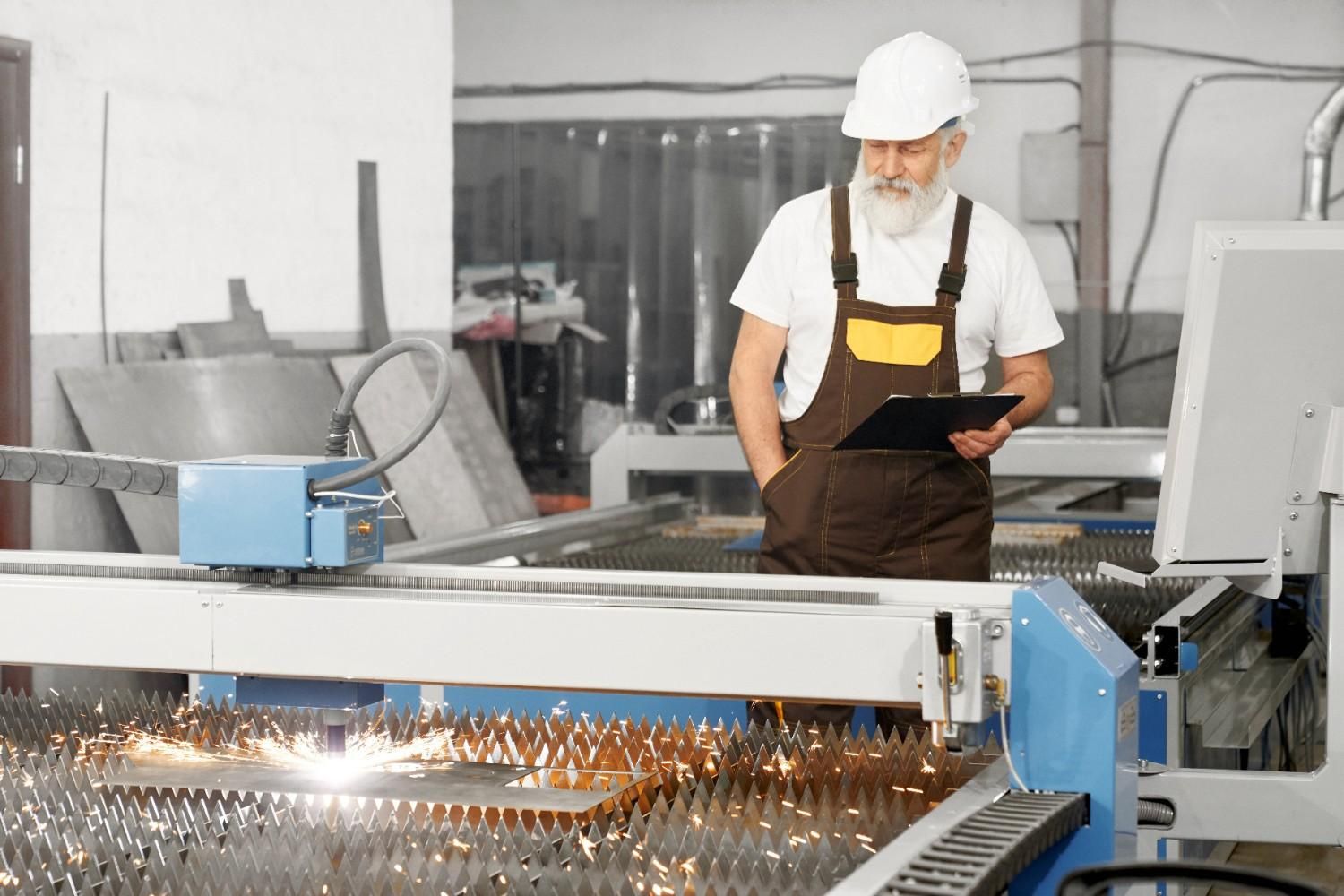
Fiber lasers are valued for their compact design, stable output, and ability to mark metals and some non-metal materials efficiently. The system integrates laser sources, scanners, control software, and cooling components into a unified setup designed for consistent performance.
Importance: Why This Technology Matters Today
Role in Modern Manufacturing and Identification
Fiber laser marking machines play an important role in industries that require precision marking and product traceability. These include manufacturing, electronics, automotive components, medical devices, tools, packaging, and aerospace parts.
The technology matters today because many industries rely on:
-
Permanent product identification
-
Clear traceability codes for quality control
-
Machine-readable markings for automation
-
Clean processes without consumables like ink or chemicals
Problems It Helps Solve
Fiber laser marking addresses several practical challenges:
-
Durability: Marks resist wear, heat, and environmental exposure
-
Accuracy: High-resolution markings reduce reading errors
-
Consistency: Automated marking improves uniformity
-
Efficiency: Fast marking cycles support high-volume production
Because the process is non-contact, it reduces mechanical stress on materials. This is especially important for delicate or high-precision components. As digital manufacturing expands, laser-based marking supports data-driven workflows and standardized identification systems.
Recent Updates: Trends and Developments
Advancements in Marking Precision and Control
Recent developments have focused on improved beam control, higher pulse stability, and enhanced marking software. These improvements support finer detail, better contrast, and greater control over marking depth and texture.
Another trend involves integration with automated production lines. Fiber laser marking machines are increasingly connected with sensors, conveyors, and vision systems to enable inline marking and verification.
Software and Digital Integration
Control software has evolved to support:
-
Variable data marking
-
Database connectivity
-
Real-time monitoring
-
File compatibility with design and CAD systems
User interfaces have become more intuitive, allowing operators to adjust parameters such as speed, frequency, and power with greater accuracy. These changes support consistent output while reducing setup complexity.
Laws or Policies: Regulatory and Compliance Considerations
General Regulatory Influence
Fiber laser marking machines are influenced by general industrial safety, equipment standards, and workplace regulations. These typically focus on laser safety classifications, operator protection, and proper labeling of laser equipment.
Common regulatory considerations include:
-
Laser safety guidelines for enclosed and open systems
-
Requirements for protective housings or interlocks
-
Training standards for operators
-
Electrical and electromagnetic compliance norms
Environmental and Quality Standards
In some industries, marking is part of compliance with quality management systems and traceability rules. Permanent markings help meet documentation, inspection, and audit requirements without adding consumables or chemical waste, supporting broader environmental and safety objectives.
Tools and Resources: Helpful Aids for Understanding and Using the Technology
Software and Digital Tools
Several tools and resources support fiber laser marking systems:
-
Laser marking control software for design and parameter setup
-
Barcode and QR code generators for machine-readable markings
-
CAD and vector design tools for logos and layouts
-
Production tracking systems that link markings with databases
Technical References and Learning Resources
Educational and technical resources include:
-
Industry white papers on laser processing
-
Technical manuals from equipment manufacturers
-
Safety guidelines from laser standards organizations
-
Online knowledge bases focused on industrial laser applications
These tools help users understand capabilities, limitations, and best practices without requiring deep technical expertise.
Key Technical Characteristics at a Glance
| Feature | Description |
|---|---|
| Laser Type | Fiber-based solid-state laser |
| Marking Method | Non-contact surface modification |
| Common Materials | Metals, alloys, coated surfaces |
| Output Stability | High, suitable for repetitive tasks |
| Maintenance Needs | Low due to sealed laser source |
Typical Applications Overview
| Application Area | Purpose of Marking |
|---|---|
| Industrial Parts | Identification and traceability |
| Electronics | Component labeling |
| Tools & Equipment | Logos and serial codes |
| Medical Components | Compliance marking |
| Packaging | Permanent codes and symbols |
FAQs: Common Questions Explained
What materials can be marked using a fiber laser marking machine?
Fiber laser marking machines are primarily used on metals such as steel, aluminum, brass, and titanium. They can also mark certain coated or treated surfaces depending on material properties.
How permanent are fiber laser markings?
The markings are highly durable because the laser alters the material surface itself. This makes them resistant to abrasion, heat, and environmental exposure.
Is fiber laser marking suitable for detailed designs?
Yes. The focused laser beam allows for fine details, small text, and complex patterns with high accuracy and repeatability.
Does the process require consumables?
The marking process does not rely on inks, solvents, or chemicals. This reduces ongoing material handling and supports cleaner operations.
What factors affect marking quality?
Key factors include laser power, speed, frequency, material type, surface condition, and software settings. Proper calibration helps achieve consistent results.
Conclusion: Key Takeaways and Overall Understanding
Fiber laser marking machines represent a modern approach to permanent, precise, and reliable product marking. Developed to overcome the limitations of traditional marking methods, they support accuracy, durability, and efficiency across a wide range of industrial applications.
Their importance continues to grow as industries place greater emphasis on traceability, automation, and digital production systems. Ongoing improvements in software integration, beam control, and system design have expanded their capabilities while maintaining stable performance.
By understanding the basics, importance, regulatory context, and available tools, readers can gain a clear and factual view of fiber laser marking technology. This knowledge helps in evaluating how the technology fits into broader manufacturing and identification processes without relying on promotional claims or assumptions.