Fashion Influencer Culture Explained: Discover Trends, Facts, and Helpful Insights
Fashion influencer culture refers to the growing role of individuals on social media platforms who share fashion-related content and influence audience preferences. These creators often post outfits, styling tips, product discussions, and lifestyle content through images, videos, and short-form posts.
This culture developed alongside the rapid expansion of social media platforms. As platforms introduced visual storytelling and short videos, individuals gained the ability to reach large audiences without traditional media channels. Over time, people who consistently created fashion content began building communities around their personal style.
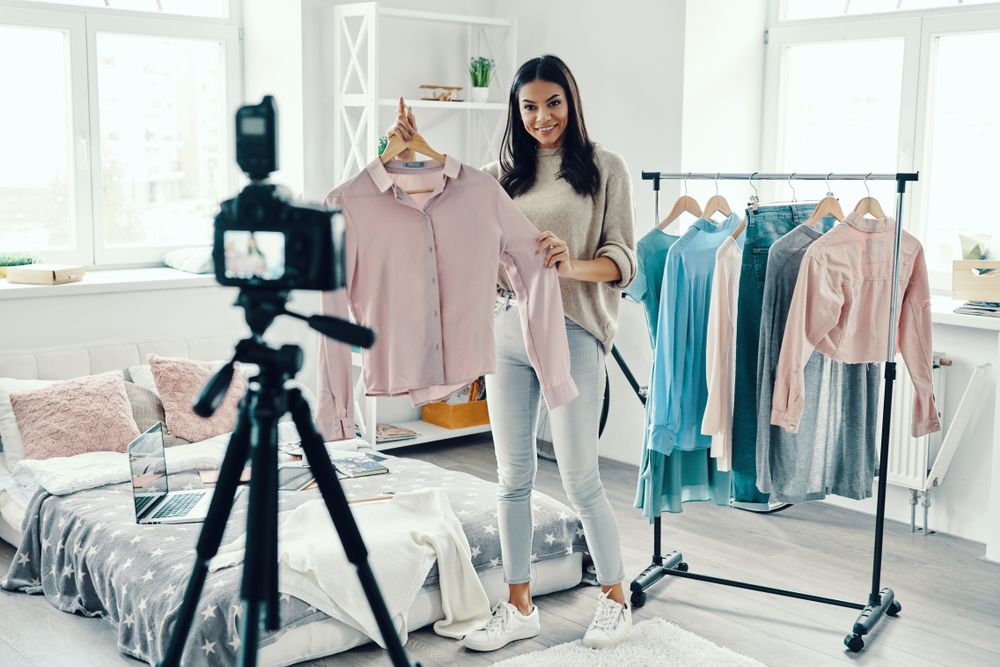
Fashion influencers vary in scale. Some have millions of followers, while others maintain smaller but highly engaged audiences. Common categories include:
-
Mega influencers: Very large audiences and widespread visibility
-
Macro influencers: Large communities with broad reach
-
Micro influencers: Smaller but highly engaged followers
-
Nano influencers: Very niche communities with strong trust
The rise of fashion influencer culture is closely linked to the growth of digital fashion marketing, social media marketing strategy, and online brand visibility. Instead of relying only on traditional advertising, fashion trends now often spread through individual creators sharing personal experiences with clothing, accessories, and styling ideas.
Many influencers focus on specific themes such as sustainable fashion, streetwear, luxury fashion, minimal wardrobes, or seasonal styling guides. This specialization allows audiences to follow creators whose style aligns with their own preferences.
Another defining feature of influencer culture is its interactive nature. Followers can comment, ask questions, and engage with content directly, which creates a sense of community around fashion inspiration.
Why Fashion Influencer Culture Matters Today
Fashion influencer culture plays an important role in shaping modern fashion communication and digital marketing.
The traditional fashion industry once relied heavily on magazines, runway shows, and television. Today, social media allows trends to spread much faster. Influencers often showcase new styles immediately, helping audiences discover fashion ideas in real time.
Several groups are affected by this cultural shift.
Consumers gain easier access to fashion inspiration. Instead of waiting for seasonal fashion publications, people can explore styling tips, outfit combinations, and fashion trends daily through social platforms.
Fashion brands use influencer collaborations as part of broader digital marketing strategies. Influencers often help explain how clothing items can be styled in everyday situations.
Content creators have developed new career paths around fashion communication, photography, and social media storytelling.
Influencer culture also addresses several modern challenges in the fashion industry.
One issue is trend discovery. With thousands of brands and products available online, audiences often rely on trusted creators to filter and interpret fashion trends.
Another issue is representation. Influencers from different backgrounds, body types, and cultures have expanded the range of fashion perspectives available online.
Fashion influencer culture also contributes to discussions around:
-
Sustainable fashion practices
-
Ethical clothing production
-
Capsule wardrobes and minimalism
-
Second-hand and circular fashion
As a result, influencer content has become a major driver of both fashion trend forecasting and consumer behavior analysis in the digital economy.
Recent Developments in Fashion Influencer Trends
Over the past year, several developments have shaped fashion influencer culture and digital fashion marketing.
One noticeable trend has been the expansion of short-form video content. Platforms emphasizing quick visual storytelling have become key spaces where fashion trends emerge and spread rapidly.
Creators increasingly share:
-
Outfit transformation videos
-
Seasonal fashion styling guides
-
Clothing care tutorials
-
Sustainable wardrobe tips
Another important development involves AI-assisted content tools. Some creators now use artificial intelligence for image editing, background design, or virtual outfit previews. These tools help streamline content creation while maintaining visual consistency.
Influencer transparency has also gained attention. Discussions around paid partnerships and content disclosures have become more common across digital platforms.
Recent platform updates have also changed how fashion content reaches audiences. Algorithm adjustments often prioritize authentic engagement, encouraging creators to produce more educational or storytelling-based fashion posts rather than purely promotional visuals.
In addition, sustainable fashion conversations have expanded significantly. Many creators now discuss topics such as:
-
Clothing lifecycle awareness
-
Responsible fabric choices
-
Slow fashion concepts
-
Wardrobe longevity
These discussions reflect broader consumer interest in environmental responsibility within the fashion industry.
Policies and Regulatory Considerations
Fashion influencer culture operates within a framework of advertising standards and digital communication guidelines.
Many regions have introduced rules that require clear disclosure of sponsored content. When influencers collaborate with brands or share paid partnerships, they must typically indicate that the content contains promotional relationships.
These guidelines aim to improve transparency and ensure audiences can distinguish between personal opinions and promotional messaging.
Common disclosure practices include:
-
Adding partnership labels
-
Using clear language indicating collaboration
-
Separating editorial content from promotional posts
Advertising authorities in several regions also encourage influencers to avoid misleading claims about products, including exaggerated performance statements or unrealistic expectations.
Data protection and privacy policies also affect influencer activity. When creators collect audience data, manage mailing lists, or conduct giveaways, they may need to follow broader digital privacy standards.
Additionally, intellectual property rules influence how fashion content is produced. Influencers must be mindful of image rights, copyrighted music, and brand trademarks when creating content.
While specific rules vary between regions, the overall goal of these policies is to promote transparency, consumer awareness, and responsible digital marketing practices.
Helpful Tools and Digital Resources
Fashion influencers often rely on a combination of creative tools, analytics platforms, and social media management resources. These tools support content planning, audience analysis, and visual storytelling.
Some widely used tools in fashion influencer workflows include:
• Content planning platforms
-
Notion
-
Trello
-
Airtable
These tools help creators organize content calendars, campaign ideas, and seasonal fashion themes.
• Social media analytics platforms
-
Hootsuite
-
Sprout Social
-
Buffer
Analytics tools allow influencers to monitor engagement trends, audience demographics, and performance metrics.
• Visual design software
-
Canva
-
Adobe Express
-
Lightroom
Design tools assist with photo editing, branding visuals, and social media graphics.
• Trend research resources
-
Google Trends
-
Pinterest Trends
-
fashion industry reports
These resources help identify emerging styles and seasonal fashion topics.
Below is a simplified table showing common categories of influencer tools.
| Tool Category | Purpose | Examples |
|---|---|---|
| Content Planning | Organizing posts and ideas | Notion, Trello |
| Analytics | Monitoring engagement data | Sprout Social, Buffer |
| Visual Editing | Enhancing images and videos | Lightroom, Canva |
| Trend Research | Discovering fashion trends | Google Trends |
Another helpful resource is audience insight dashboards provided directly by social media platforms. These dashboards help creators understand follower activity patterns and preferred content formats.
Growth of Fashion Influencer Content Formats
The evolution of influencer content can be visualized through a simplified trend comparison.
| Content Format | Early Influencer Era | Current Trend |
|---|---|---|
| Static outfit photos | Very common | Still used |
| Long blog posts | Widely used | Less common |
| Short-form video | Limited | Rapid growth |
| Interactive live sessions | Rare | Increasing |
| Educational styling content | Moderate | Highly popular |
This shift shows how fashion influencer culture continues adapting to new digital communication formats.
Frequently Asked Questions
What is a fashion influencer?
A fashion influencer is a content creator who shares fashion-related posts such as outfit ideas, styling tips, or fashion commentary through digital platforms. Their audience often follows them for inspiration, trend discovery, and personal style perspectives.
How do fashion trends spread through influencers?
Fashion trends often spread when multiple creators share similar styles or concepts. When audiences engage with these posts, platform algorithms may show the content to more viewers, allowing trends to circulate quickly.
Are fashion influencers part of digital marketing?
Yes. Fashion influencers play a role in digital fashion marketing strategies by helping brands communicate with online audiences through visual storytelling and personal recommendations.
What makes micro influencers different from large influencers?
Micro influencers typically have smaller audiences but often maintain higher engagement rates. Their followers may view them as more relatable or specialized within a particular fashion niche.
Can fashion influencer content support sustainable fashion awareness?
Many creators now discuss sustainable fashion topics such as clothing longevity, responsible consumption, and second-hand fashion. These discussions help raise awareness about environmental considerations within the fashion industry.
Conclusion
Fashion influencer culture represents a significant shift in how fashion information spreads and how audiences interact with style content. Instead of relying solely on traditional fashion media, modern fashion conversations increasingly occur on digital platforms through individual creators.
This cultural movement connects fashion inspiration, digital storytelling, and social media engagement. Influencers help audiences explore new styles, learn styling techniques, and participate in broader discussions about sustainability and personal expression.