Farm-to-Home Produce Delivery Planning: Complete Guide, Basics, Tips, and Helpful Insights
Farm-to-home produce delivery planning refers to the organization and coordination of moving fresh agricultural products directly from farms to households through structured delivery systems. The concept is built around reducing the distance between food producers and consumers while maintaining freshness, transparency, and efficient distribution.
In traditional food supply chains, produce typically moves through multiple intermediaries such as wholesalers, distribution centers, and retail outlets before reaching consumers. While this system allows large-scale food distribution, it can also increase handling time and transportation complexity. Farm-to-home delivery models attempt to simplify this pathway by connecting farms more directly with households.
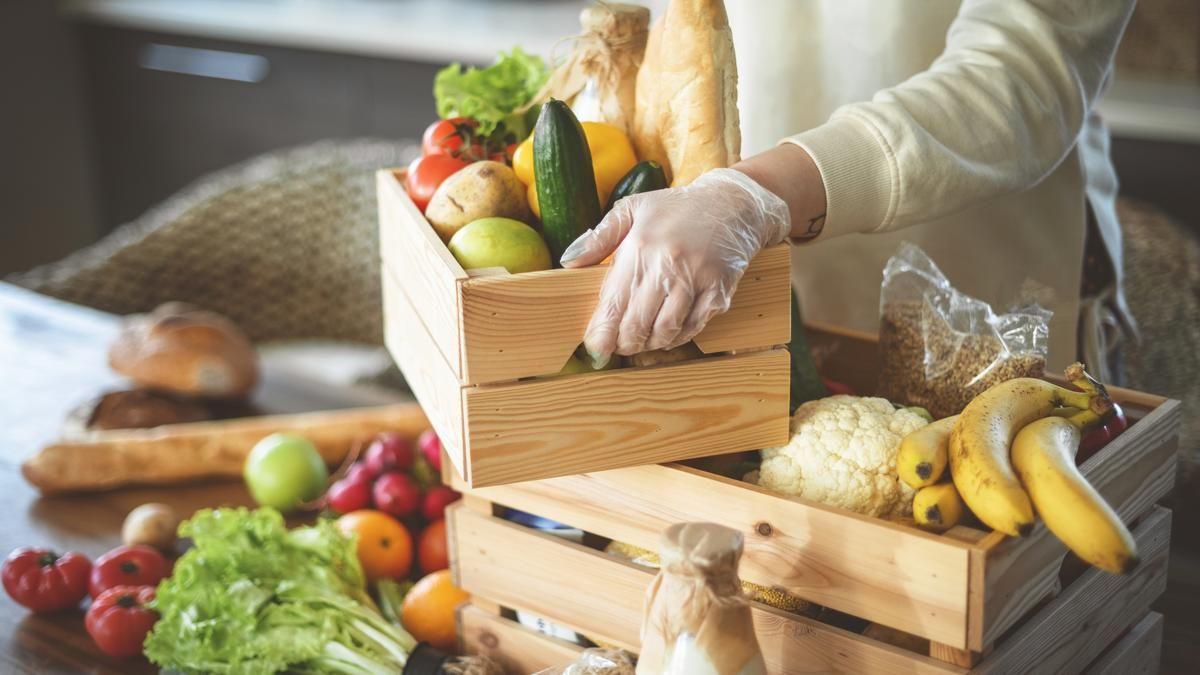
The growing interest in sustainable agriculture, local food systems, and digital logistics technology has helped expand this approach. Digital platforms, agricultural logistics networks, and food distribution management systems now allow farms and cooperatives to coordinate deliveries more efficiently.
Farm-to-home produce delivery planning also intersects with several modern fields, including:
-
Agricultural supply chain management
-
Fresh produce logistics optimization
-
Sustainable food distribution networks
-
Digital agriculture platforms
-
Food traceability and transparency systems
These frameworks help improve how fresh produce moves from the field to consumers while maintaining quality and minimizing waste.
Another aspect of planning involves understanding seasonal production cycles, storage limitations, and delivery scheduling. Fresh fruits and vegetables often have shorter shelf lives than processed food products, which means transportation and distribution must be carefully coordinated.
Many farm-to-home systems rely on structured delivery routes, subscription-based produce boxes, or digital ordering platforms that aggregate demand from multiple households. These systems require thoughtful planning around harvesting schedules, packaging standards, and route efficiency.
Why Farm-to-Home Produce Delivery Planning Matters
Farm-to-home delivery systems are increasingly discussed in conversations about sustainable food systems, agricultural resilience, and food security. Efficient planning helps ensure that fresh produce reaches consumers quickly while supporting farmers and reducing waste.
Several important factors explain why this topic is gaining attention.
Strengthening agricultural supply chains
Direct distribution models can reduce the number of intermediaries involved in food delivery. This simplifies logistics and allows better coordination between production and consumption.
Supporting transparency in food distribution
Many consumers today are interested in understanding where their food comes from and how it is produced. Farm-to-home delivery systems can provide improved traceability by connecting households more directly with growers.
Reducing food waste
Fresh produce often experiences losses during transportation or storage. More direct delivery planning can shorten transit times and reduce spoilage.
Improving logistics efficiency
Modern food logistics tools allow planners to design optimized delivery routes, schedule harvest timing, and track inventory movement across supply chains.
Encouraging sustainable agriculture practices
Farm-to-home models are often associated with environmentally conscious food systems that emphasize local sourcing, reduced transportation distances, and seasonal consumption patterns.
The topic also affects several groups:
-
Small and medium agricultural producers
-
Food distribution planners and logistics managers
-
Agricultural cooperatives
-
Consumers interested in fresh food access
-
Researchers studying sustainable agriculture systems
Planning in this area involves multiple layers of coordination, including harvesting schedules, packaging standards, transportation logistics, and consumer demand forecasting.
Recent Developments in Agricultural Food Distribution
The past year has seen continued discussion around digital agriculture platforms and modern supply chain technologies that influence how farm-to-home delivery systems operate.
One major development has been the integration of data-driven agricultural logistics tools. These tools help farmers and distributors predict demand patterns and coordinate harvesting with delivery schedules.
Several trends shaping the field include:
• Increased use of food traceability technology to track produce from farms to households
• Adoption of supply chain analytics platforms that help optimize delivery routes
• Expansion of digital agriculture marketplaces connecting producers and consumers
• Greater focus on cold chain management systems for preserving produce freshness
The following table summarizes key developments affecting farm-to-home produce logistics.
| Development Area | Description | Impact on Delivery Planning |
|---|---|---|
| Digital Agriculture Platforms | Online systems connecting farms with consumers | Improves demand forecasting |
| Cold Chain Logistics | Temperature-controlled storage and transport | Maintains produce freshness |
| Food Traceability Systems | Tracking produce origins and handling | Enhances transparency |
| Route Optimization Tools | AI-based logistics planning software | Reduces delivery time |
Another emerging topic involves the use of predictive analytics in agricultural supply chains. These systems analyze historical production data, weather patterns, and consumer demand to estimate harvest volumes and delivery needs.
Such developments help planners coordinate agricultural production with distribution systems more efficiently.
Regulatory and Policy Considerations
Farm-to-home produce delivery systems operate within broader agricultural, food safety, and transportation frameworks. These policies are designed to ensure that food reaching households meets safety and quality standards.
Food distribution systems often follow guidelines related to:
-
Agricultural food safety standards
-
Produce handling and sanitation protocols
-
Food traceability and labeling regulations
-
Transportation and cold storage requirements
These regulatory frameworks aim to ensure that fresh produce maintains safety throughout the supply chain. Compliance typically involves maintaining records of harvesting practices, packaging conditions, and delivery processes.
Food traceability policies also encourage documentation of where produce is grown and how it moves through the distribution network. This allows supply chains to respond effectively if safety concerns arise.
Agricultural cooperatives and distribution networks often develop standardized practices that align with these regulations while supporting efficient produce distribution.
Another important policy area involves sustainable agriculture programs that encourage environmentally responsible farming and distribution practices. These programs sometimes promote reduced transportation emissions, soil conservation methods, and responsible packaging.
Helpful Tools and Resources for Planning
Farm-to-home produce delivery planning relies on a variety of digital tools and information resources. These tools assist with logistics coordination, agricultural production planning, and food distribution analysis.
Common categories of tools include:
• Agricultural supply chain management platforms
• Route optimization software for delivery networks
• Farm inventory management systems
• Food traceability tracking tools
• Cold chain monitoring systems
Below is an overview of useful tool categories.
| Tool Category | Purpose |
|---|---|
| Supply Chain Analytics Platforms | Analyze produce distribution patterns |
| Route Planning Software | Optimize delivery paths and scheduling |
| Farm Management Systems | Track harvesting and crop availability |
| Food Traceability Databases | Document produce origin and handling |
| Inventory Tracking Tools | Monitor produce quantities and movement |
Educational resources and knowledge platforms also provide valuable insights for understanding agricultural logistics systems. These may include:
-
Agricultural research publications
-
Food supply chain case studies
-
Logistics planning templates
-
Agricultural sustainability reports
These resources help planners develop structured delivery systems that support both farmers and consumers.
Common Questions About Farm-to-Home Produce Delivery Planning
What is the main goal of farm-to-home produce delivery systems?
The primary goal is to create a more direct pathway between agricultural producers and households while maintaining produce freshness, improving supply chain transparency, and reducing food distribution complexity.
How does delivery planning affect produce freshness?
Efficient delivery planning reduces the time between harvesting and consumption. This helps preserve the quality and nutritional value of fresh fruits and vegetables.
What technologies support modern agricultural delivery systems?
Several technologies contribute to improved planning, including supply chain analytics software, route optimization tools, farm management platforms, and food traceability systems.
Why is food traceability important in produce delivery?
Traceability systems allow supply chains to track produce from farm to household. This helps ensure food safety and provides transparency regarding agricultural practices.
What challenges exist in farm-to-home produce delivery systems?
Some common challenges include coordinating harvest schedules, managing transportation logistics, preserving produce quality during transit, and balancing supply with consumer demand.
Conclusion
Farm-to-home produce delivery planning represents an evolving area within modern agricultural supply chains. By connecting farms more directly with households, these systems aim to simplify distribution pathways and improve access to fresh produce.
The topic sits at the intersection of agriculture, logistics management, digital technology, and food sustainability. Effective planning requires coordination across multiple stages of the food system, including harvesting, packaging, transportation, and delivery scheduling.
Recent developments in agricultural data analytics, food traceability systems, and logistics optimization tools are helping planners improve the efficiency and transparency of produce distribution networks.
At the same time, regulatory frameworks and food safety guidelines continue to play an important role in ensuring that fresh produce reaches consumers under safe handling conditions.