Eye Floaters Overview: Explore Basics, Causes, Facts, and Helpful Information
Eye floaters are small shapes that appear to drift across a person’s field of vision. They may look like dots, threads, cobwebs, or shadowy spots, especially when looking at bright backgrounds such as the sky or a white screen. These visual effects are not external objects but occur inside the eye itself.
Floaters exist because of changes in the vitreous humor, the clear, gel-like substance that fills the inside of the eye and helps maintain its shape. With time, this gel can become more liquid and form tiny clumps. When light enters the eye, these clumps cast shadows on the retina, which the brain interprets as floating shapes.
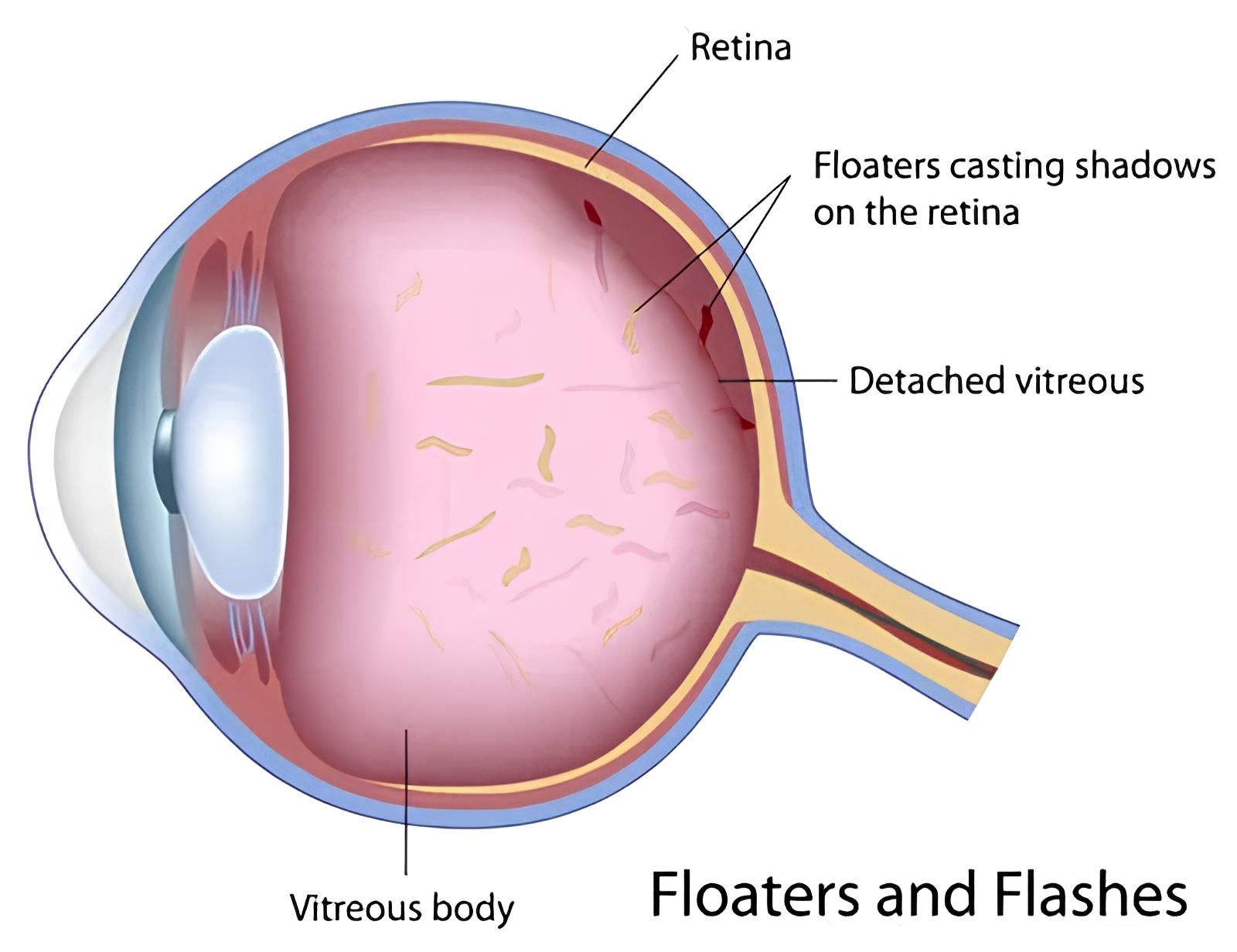
Eye floaters are common and often considered a natural part of aging. While they can be distracting, many people notice that floaters become less prominent over time as the brain adapts to them. Understanding what they are and why they occur helps reduce unnecessary concern and supports informed eye health awareness.
Why Eye Floaters Matter Today
Eye floaters matter because they affect vision quality and can sometimes signal underlying eye conditions. Most floaters are harmless, but in certain cases they may be associated with more serious issues involving the retina.
This topic is relevant to:
-
Adults over the age of 40, when vitreous changes become more common
-
People with nearsightedness
-
Individuals who have had eye injury, inflammation, or eye surgery
-
Those managing chronic conditions such as diabetes
Eye floaters can interfere with daily activities such as reading, driving, or working on digital screens. For many, the main challenge is distinguishing between normal age-related floaters and sudden changes that may require prompt medical attention.
The topic also helps address common problems such as:
-
Anxiety caused by sudden visual disturbances
-
Delayed response to warning signs of retinal complications
-
Misunderstanding about whether floaters are permanent or preventable
Raising awareness supports timely eye examinations and promotes long-term vision care.
Recent Updates and Trends
Over the past year, eye care discussions have increasingly focused on early detection and monitoring of vitreous and retinal changes. Between 2024 and early 2025, several trends have gained attention in ophthalmology and vision research.
One notable development is the expanded use of advanced retinal imaging, such as optical coherence tomography (OCT). These tools allow eye care professionals to visualize the vitreous and retina in greater detail, improving the evaluation of floaters and related conditions.
Another trend involves digital eye strain awareness. With increased screen use, more people report noticing floaters, even though screens do not directly cause them. Public health messaging in 2024 emphasized the importance of regular eye exams to differentiate floaters from other visual symptoms.
Tele-ophthalmology also continued to grow through 2025. Remote consultations have helped individuals discuss visual changes earlier, especially in areas with limited access to in-person eye care. While floaters themselves still require clinical evaluation, early conversations can guide appropriate follow-up.
Laws, Policies, and Regulatory Considerations
Eye floaters are indirectly affected by healthcare regulations and vision-related policies. In many countries, including the United States, medical devices used to examine and manage eye conditions are regulated by national health authorities to ensure safety and effectiveness.
Policies relevant to this topic include:
-
Regulations governing diagnostic imaging devices used in eye exams
-
Clinical guidelines that outline when sudden floaters require urgent referral
-
Vision screening recommendations for adults and older populations
Public health programs often emphasize routine eye examinations, particularly for aging adults and people with chronic health conditions. These programs help identify not only floaters but also related issues such as retinal tears or diabetic eye disease.
Insurance and healthcare systems may also influence how often individuals seek evaluations for visual symptoms. While floaters themselves are common, policies generally prioritize coverage for diagnostic assessments when symptoms change suddenly or affect vision significantly.
Tools and Resources for Understanding Eye Floaters
A variety of educational and clinical tools support understanding and monitoring of eye floaters. These resources are designed to improve awareness rather than replace professional evaluation.
Helpful resources include:
-
Vision symptom trackers that help individuals note changes in floaters over time
-
Educational diagrams used in eye clinics to explain vitreous changes
-
Digital eye health assessments that prompt users to seek evaluation for warning signs
-
Printed charts used during eye exams to assess visual clarity and contrast
Below is a simple comparison table showing common types of floaters and general characteristics:
| Type of Floater | Common Appearance | Typical Cause |
|---|---|---|
| Spots or dots | Small dark points | Vitreous clumping |
| Threads or strands | Thin lines | Aging vitreous gel |
| Cobweb shapes | Web-like shadows | Vitreous shrinkage |
| Rings or circles | Circular shapes | Posterior vitreous changes |
These tools and visual aids help individuals describe their symptoms more clearly during eye examinations.
Frequently Asked Questions About Eye Floaters
1. Are eye floaters normal?
Yes, eye floaters are common, especially as people age. Most are related to natural changes in the vitreous gel and do not indicate serious problems.
2. Do eye floaters go away on their own?
In many cases, floaters become less noticeable over time. The brain often adapts, and the floaters may shift out of the central field of vision.
3. When should eye floaters be checked by a professional?
A sudden increase in floaters, flashes of light, or a shadow in peripheral vision should be evaluated promptly, as these may indicate retinal changes.
4. Can screen use cause eye floaters?
Screen use does not directly cause floaters. However, bright screens can make existing floaters more noticeable, especially against light backgrounds.
5. Are eye floaters linked to other eye conditions?
Sometimes. While most floaters are harmless, they can occasionally be associated with retinal tears, inflammation, or other eye conditions, which is why changes should be assessed.
Conclusion
Eye floaters are a common visual experience that usually results from natural changes inside the eye. While often harmless, they can affect visual comfort and occasionally signal more serious eye conditions. Understanding their causes, recognizing when changes matter, and being aware of current trends and regulations all support better eye health decisions.
By staying informed and attentive to visual changes, individuals can reduce unnecessary worry and respond appropriately when symptoms change. Eye floaters remain an important topic in vision education, especially as populations age and visual health awareness continues to grow.
Disclaimer:
The information provided in this article is for informational purposes only. We do not make any claims or guarantees regarding the accuracy, reliability, or completeness of the information presented. The content is not intended as professional advice and should not be relied upon as such. Readers are encouraged to conduct their own research and consult with appropriate professionals before making any decisions based on the information provided in this article