Extrusion Machine Basics: A Complete Guide with Key Insights & Helpful Tips
Extrusion machines are essential manufacturing systems used to shape raw materials—mainly polymers, metals, food ingredients, and composites—into continuous profiles. The process involves forcing material through a specialized die to create products such as pipes, sheets, cables, profiles, films, and structural parts. This technology exists to provide a highly controlled, continuous, and efficient way to produce uniform products at scale. As industries demand precision, consistent quality, and advanced material performance, extrusion technology continues to evolve.
Extrusion machines came into widespread use to solve issues related to manual shaping, limited production volume, and inconsistent product dimensions. They now support diverse applications, including packaging, construction, automotive components, electrical insulation, and industrial manufacturing.
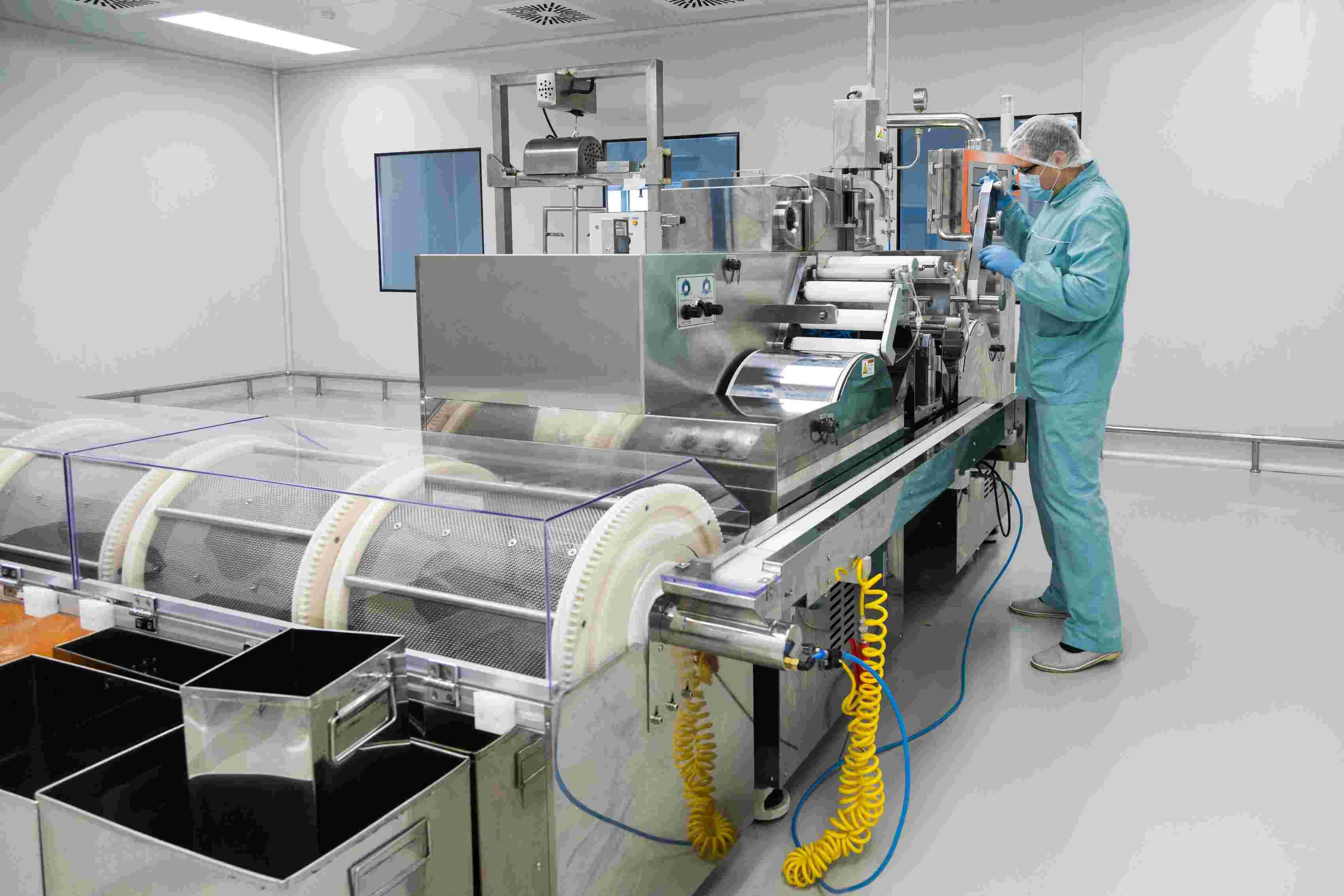
Why Extrusion Machines Matter Today
Extrusion plays a vital role across multiple sectors because it ensures durability, uniformity, and precision in finished outputs. Industries dependent on pipes, profiles, recyclable plastics, and engineered materials rely on this technology to create high-quality components.
Its importance has increased due to:
-
Growing focus on sustainable materials including recycled polymers and bio-compounds.
-
High demand for consistent dimensions in infrastructure products like tubing and conduits.
-
Advancements in manufacturing technology such as smart sensors and industrial automation.
-
Need for adaptable production methods that can handle diverse material formulations.
The extrusion process helps address challenges like material waste, dimensional inaccuracy, and production inefficiencies. It also supports mass manufacturing in sectors such as packaging, agriculture, housing, consumer goods, and electrical installations.
People who benefit from understanding extrusion systems include:
-
Manufacturing professionals
-
Factory planners
-
Industrial engineers
-
Polymer technologists
-
Students studying materials or processing
-
Quality and compliance teams
High CPC keywords integrated: industrial automation, manufacturing technology, polymer processing, precision engineering, sustainable manufacturing.
Recent Updates and Key Trends
Extrusion technology has seen several changes in the past year as industries shift toward smarter, cleaner, and more efficient production systems.
Key updates from 2024–2025 include:
1. Rise of energy-efficient extrusion systems (2024)
Manufacturers added advanced heating and cooling controls to reduce energy usage during polymer processing. This also supports global sustainability initiatives.
2. Integration of smart sensors and IoT monitoring (2024–2025)
Real-time data tracking is now used to maintain consistent temperature, pressure, and output quality. This trend reflects the growth of smart manufacturing and predictive maintenance.
3. Increased interest in recycled materials extrusion (2024)
Many regions encouraged extrusion systems capable of handling mixed polymer waste, supporting circular economy goals.
4. Expanded use of multi-layer die technology
Packaging industries adopted multi-layer film extrusion to produce barrier films for hygiene, food, and industrial products.
5. More training resources and digital simulation tools (2025)
Updated learning modules now help operators understand material flow, die design, and temperature profiles through virtual modeling.
These developments show how extrusion machines are moving toward precision, automation, sustainability, and adaptive production.
Regulations and Policy Influences
Extrusion activities are guided by national standards, environmental rules, and industrial quality guidelines. Regulations vary by region, but most countries follow common principles to ensure public safety and environmental protection.
Policies that influence extrusion include:
Environmental Guidelines
-
Rules related to emissions during polymer heating
-
Standards for waste management and recycling practices
-
Requirements for energy-efficient machinery
Material Safety Standards
-
Compliance with safe polymers for food-grade applications
-
Guidelines on handling additives and stabilizers
-
Limits on certain chemicals to maintain product safety
Industrial Safety Regulations
-
Mandatory machine-guarding and operator safety protocols
-
Regular equipment inspections based on manufacturing codes
-
Training requirements for operating high-temperature equipment
Quality Standards
-
Dimensions and tolerance requirements for pipes, sheets, and profiles
-
Material performance testing such as tensile strength or impact resistance
-
Certifications related to construction products, packaging materials, and electrical-grade components
These policies ensure that extrusion outputs meet national and industrial expectations for quality, safety, and durability.
Helpful Tools, Software, and Resources
A range of tools and digital resources can support material selection, process optimization, and knowledge enhancement. These tools help improve the understanding of extrusion without any commercial or sales-related focus.
Online Calculators and Technical Tools
-
Screw RPM estimators for determining optimal speed
-
Throughput calculators for polymer volume estimates
-
Temperature profile planners for various materials
-
Material density and melt-flow index references
Simulation and Modeling Software
-
Material flow simulation tools for understanding die behavior
-
Thermal modeling systems that show heat distribution
-
Basic CAD tools for designing simple extrusion profiles
Educational Resources and Websites
-
Online polymer data libraries
-
Manufacturing technology knowledge portals
-
Safety guideline repositories
-
Engineering and materials science learning modules
Testing and Measurement Tools
-
Digital micrometers for dimensional accuracy
-
Melt flow index testers
-
Material tensile testing references
-
Thermal scanners for surface temperature analysis
These resources help users make informed decisions and understand extrusion fundamentals more effectively.
Common FAQs About Extrusion Machines
What materials are most commonly processed in extrusion?
Extrusion machines primarily process polymers such as PVC, HDPE, LDPE, polypropylene, nylon, and various engineered plastics. They can also handle food products, aluminum, and rubber depending on the machine type.
How does temperature affect extrusion output?
Temperature influences melt flow, pressure, and product finish. Proper temperature control helps maintain smooth surfaces, stable dimensions, and consistent material flow through the die.
What is the role of the screw in an extrusion machine?
The screw is responsible for conveying, compressing, melting, and homogenizing the material. Its design determines melting efficiency, output rate, and material stability.
How does die design influence the final product?
The die defines the shape and uniformity of the extruded material. Precision engineering of dies ensures better thickness control, reduced warping, and consistent dimensions.
What factors affect extrusion line efficiency?
Key factors include material quality, temperature settings, screw speed, die alignment, cooling system performance, and continuous monitoring through modern manufacturing technology.
Conclusion
Extrusion machines are fundamental to modern manufacturing due to their ability to produce continuous, uniform, and high-quality profiles from a wide range of materials. Their role has expanded across sectors as industries focus on precision engineering, sustainable manufacturing, and advanced polymer processing.
Recent updates show a clear shift toward smarter systems, improved energy efficiency, and enhanced digital monitoring. Policies and guidelines continue to support safe, environmentally responsible, and standardized production practices.
With the support of digital tools, technical resources, and educational materials, understanding extrusion technology has become more accessible for students, engineers, and manufacturing professionals. This knowledge helps strengthen workflow planning, material selection, and decision-making in various production environments.