Exploring Woodworking Machines: Automation, Cutting Systems, and Performance Factors
Woodworking machines are tools designed to shape, cut, and assemble wood into useful or decorative items. From early hand-operated devices to modern automated systems, these machines have evolved to support a wide range of activities, including furniture making, construction, and small-scale crafting. Exploring woodworking machines helps explain how automation, cutting systems, and performance factors work together to improve consistency and efficiency.
Automation in woodworking machines refers to the use of programmed controls that guide machine movements. Cutting systems involve blades, drills, or routers that shape the material, while performance factors relate to speed, precision, and durability. Together, these elements define how effectively a woodworking process can be carried out.
Understanding these machines does not require advanced technical knowledge. With a basic overview, anyone can learn how they function and why they are used in both industrial and everyday contexts.
Importance
Woodworking machines play an important role in many areas of daily life. Furniture, cabinets, flooring, and even small decorative items often depend on precise cutting and shaping processes. These machines help reduce manual effort and improve accuracy, making production more consistent.
For individuals and small workshops, woodworking machines support creative activities and practical tasks. For larger operations, automation and advanced cutting systems allow higher output while maintaining uniform quality. This balance between efficiency and precision is a key reason why these machines are widely used.
Some common challenges addressed by woodworking machines include:
- Time efficiency: automated systems reduce the time needed for repetitive tasks
- Accuracy: cutting systems ensure consistent measurements and smooth finishes
- Material optimization: better cutting reduces waste and improves usage of raw materials
- Safety improvements: modern machines include features that lower the risk of accidents
By addressing these challenges, woodworking machines contribute to both productivity and safer working environments.
Recent Updates
In recent years, woodworking machines have seen steady improvements in automation and digital integration. Many modern systems now include computer numerical control (CNC), which allows users to program detailed designs and execute them with precision. This development has made it easier to produce complex shapes and patterns.
Another noticeable trend is the integration of smart monitoring systems. These systems track performance factors such as temperature, vibration, and cutting efficiency. By analyzing this data, operators can maintain machines more effectively and reduce downtime.
Cutting systems have also improved through better blade materials and design. For example, carbide-tipped blades and laser-guided cutting tools help achieve smoother finishes and reduce errors. Noise reduction and energy efficiency are also becoming more important considerations in newer machines.
Overall, the trend from 2024 to 2026 shows a gradual shift toward smarter, more efficient woodworking machines that combine automation with user-friendly controls.
Laws or Policies
Woodworking machines are influenced by safety regulations and industrial standards in many countries. These rules are designed to protect users and ensure that machines operate within safe limits.
In India, general workplace safety guidelines are governed by frameworks such as the Factories Act and occupational safety regulations. These rules often require:
- Protective guards: machines must include covers or shields for cutting systems
- Emergency controls: accessible stop buttons for quick shutdown
- Noise and dust control: measures to reduce exposure to harmful conditions
- Training requirements: operators should understand how to use machines safely
Environmental policies may also apply, especially in larger setups. These policies focus on managing wood dust, reducing emissions, and ensuring proper disposal of waste materials.
While these regulations may vary by region, the overall goal is to promote safe and responsible use of woodworking machines.
Tools and Resources
Various tools and resources can help individuals understand and work with woodworking machines more effectively. These resources range from digital platforms to practical templates and guides.
Some commonly used tools and resources include:
- Design software: programs like CAD tools allow users to create detailed plans before using cutting systems
- Machine manuals: official documentation explains operation, maintenance, and safety features
- Online learning platforms: video tutorials and courses provide step-by-step guidance
- Measurement calculators: tools for estimating dimensions, angles, and material usage
- Maintenance checklists: templates that help track performance factors and routine care
Below is a simple table showing common woodworking machines and their primary functions:
| Machine Type | Main Function | Typical Use Case |
|---|---|---|
| Table Saw | Straight cutting | Cutting boards and panels |
| Band Saw | Curved and irregular cuts | Shaping and contouring wood |
| CNC Router | Automated carving and cutting | Complex designs and patterns |
| Planer | Surface smoothing | Preparing flat wood surfaces |
| Drill Press | Accurate drilling | Creating consistent holes |
These tools and resources make it easier to explore woodworking machines and understand how automation and cutting systems operate in practical settings.
FAQs
What are woodworking machines used for?
Woodworking machines are used to cut, shape, and assemble wood into various products. They support tasks such as furniture making, construction, and decorative crafting by improving precision and efficiency.
How does automation work in woodworking machines?
Automation in woodworking machines involves programmed controls that guide machine movements. Systems like CNC allow users to input designs, which the machine then follows to perform cutting and shaping tasks accurately.
What are common cutting systems in woodworking machines?
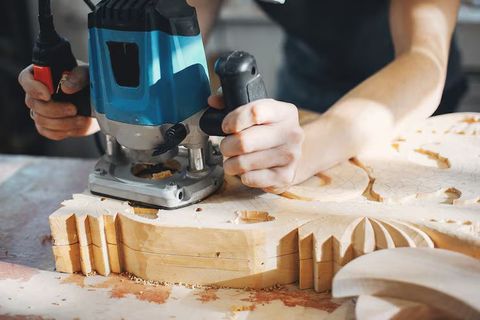
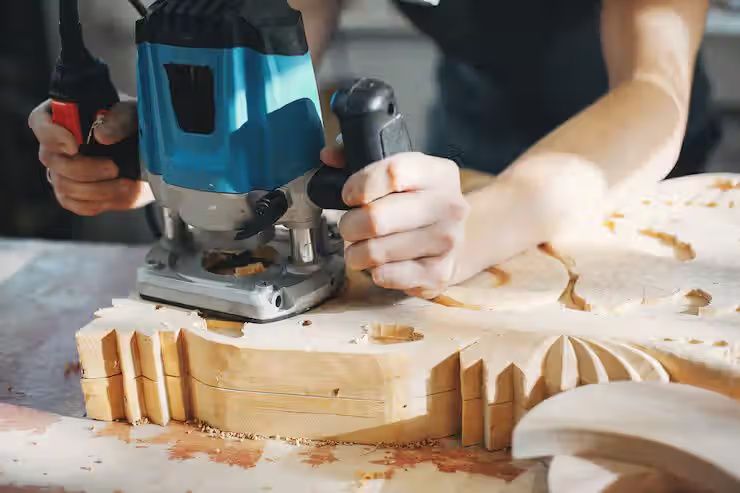
Common cutting systems include saw blades, drill bits, and router tools. Each system is designed for specific tasks, such as straight cuts, holes, or detailed patterns, depending on the type of machine used.
What performance factors affect woodworking machines?
Performance factors include speed, accuracy, durability, and energy efficiency. These factors determine how well a machine operates and how consistent the results are over time.
Are woodworking machines safe to use?
Woodworking machines can be safe when used correctly. Safety features like guards, emergency stops, and proper training help reduce risks. Following guidelines and maintaining equipment also improves safety.
Conclusion
Exploring woodworking machines provides insight into how automation, cutting systems, and performance factors shape modern wood processing. These machines support a wide range of activities by improving accuracy and reducing manual effort. Recent developments show a shift toward smarter systems with better monitoring and efficiency. Safety regulations and practical tools further support their responsible use. Overall, woodworking machines remain an important part of both industrial and everyday applications.