Exploring Weaving Looms: Guide, Knowledge, Facts and Key Details
Weaving looms are mechanical or electronic devices used to interlace two sets of yarn—warp and weft—to create fabric. This process forms the foundation of textile manufacturing and has existed for thousands of years. Early weaving methods were performed manually using simple wooden frames, while modern systems now include advanced automation and digital control.
The purpose of weaving technology developed from the human need to create durable fabrics for clothing, shelter, and household use. Over centuries, weaving tools evolved alongside technological progress. From traditional handlooms used in rural craft industries to automated industrial weaving machines, these systems represent a key part of global textile infrastructure.
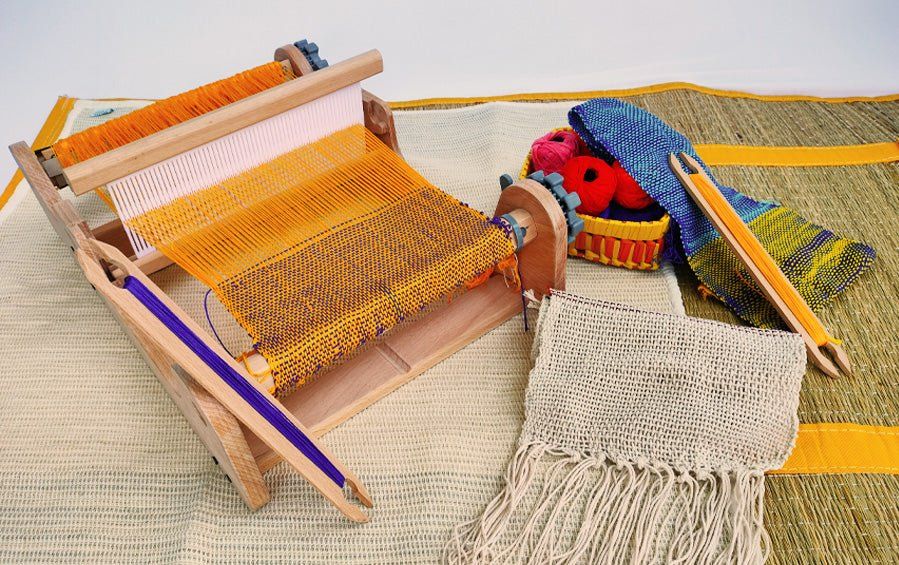
In modern textile manufacturing, weaving looms are essential for producing materials such as cotton fabrics, silk textiles, synthetic fiber fabrics, upholstery materials, and technical textiles used in industries like automotive and aerospace.
Industries often associate weaving technology with broader areas such as textile manufacturing technology, industrial weaving machines, fabric production systems, textile automation solutions, and advanced textile machinery. These topics frequently appear in research discussions about improving productivity, material quality, and sustainability in textile production.
Why Weaving Looms Matter Today
Weaving looms remain highly relevant because textiles are used in nearly every aspect of daily life. Clothing, home furnishings, medical fabrics, industrial filters, and protective materials all depend on reliable fabric production.
Modern textile industries rely on weaving systems to support global supply chains. High-efficiency weaving machines enable manufacturers to produce consistent fabrics at large volumes while maintaining quality standards.
Key reasons why weaving loom technology is important today include:
• Supporting the global textile and apparel industry
• Enabling mass production of fabrics with consistent quality
• Allowing advanced material development for technical textiles
• Helping maintain traditional craft practices in cultural textile communities
Weaving looms also help address challenges related to efficiency and resource use. Modern machines integrate textile automation software, industrial production analytics, and digital textile engineering tools to monitor performance and reduce material waste.
For example, automated weaving systems can detect yarn breakage, adjust tension automatically, and optimize weaving speed. These improvements help increase productivity while maintaining fabric quality.
Another important role of weaving technology is preserving cultural heritage. Many regions still practice traditional handloom weaving as a form of artistic expression and cultural identity. Governments and cultural organizations often promote these traditions through educational programs and craft initiatives.
Recent Developments and Industry Trends
Over the past year, textile technology has continued to evolve rapidly. Research institutions and machinery manufacturers have introduced new innovations focused on automation, energy efficiency, and digital monitoring.
Several notable developments during 2024–2025 include:
• Increased adoption of smart weaving technology using sensors and real-time data monitoring
• Integration of AI-based textile quality inspection systems
• Expansion of digital weaving control platforms for remote machine management
• Growth in sustainable textile production techniques
In March 2025, several textile machinery exhibitions highlighted automated weaving solutions that connect looms to centralized production management platforms. These systems allow manufacturers to analyze machine performance and identify production inefficiencies.
Energy efficiency has also become a major topic. New weaving machines are designed to reduce electricity consumption while maintaining high production speeds. Some manufacturers introduced looms with improved motor efficiency and optimized drive systems.
Another trend involves the development of weaving technologies capable of handling new fiber types. These include recycled fibers, biodegradable yarns, and advanced synthetic materials used in technical applications such as filtration systems and protective equipment.
Digital textile simulation software has also improved. These tools allow engineers to model fabric structures before actual production begins, which helps reduce errors and material waste.
Regulations and Policy Influence
The textile sector is influenced by several regulations and government programs related to industrial safety, labor standards, environmental protection, and manufacturing development.
Different countries implement policies designed to support textile industries while ensuring responsible production practices.
In India, textile manufacturing is influenced by initiatives such as:
• Production Linked Incentive (PLI) Scheme for Textiles introduced in 2021 to encourage advanced textile manufacturing
• National Technical Textiles Mission, which supports research and innovation in high-performance textile materials
• Environmental guidelines for textile processing issued by regulatory authorities
These programs aim to strengthen the domestic textile industry while promoting technological advancement.
Workplace safety regulations also affect textile machinery operations. Industrial weaving environments must follow safety protocols related to machine guarding, worker protection, and operational training.
Environmental policies also influence textile production methods. Manufacturers increasingly adopt energy-efficient machinery and sustainable materials to comply with environmental standards and global sustainability goals.
Helpful Tools and Resources for Learning About Weaving Technology
Understanding weaving systems often involves using technical tools, educational platforms, and simulation resources. These tools help students, researchers, and textile engineers study weaving structures and production methods.
Common resources include:
• Textile design and weaving simulation software
• Fabric pattern design platforms
• Yarn tension calculation tools
• Textile production analytics dashboards
• Industrial machine monitoring systems
Some widely referenced educational and professional resources include:
• Textile research journals and academic publications
• University textile engineering departments
• Online textile knowledge libraries
• digital fabric structure simulators
• industrial textile machinery documentation
The following table summarizes common categories of weaving looms and their typical characteristics.
| Loom Type | Key Characteristics | Typical Applications |
|---|---|---|
| Handloom | Manual operation using human control | Traditional textiles and artisan fabrics |
| Power Loom | Mechanically powered weaving | Medium-scale textile production |
| Air-Jet Loom | Uses air pressure to insert weft yarn | High-speed industrial fabric production |
| Rapier Loom | Uses rapier rods to carry yarn across warp | Versatile fabric weaving |
| Water-Jet Loom | Uses water jets for yarn insertion | Synthetic fiber fabrics |
Another way to understand weaving technology is by examining the general fabric production process.
Yarn Preparation → Warp Setup → Loom Operation → Fabric Formation → Inspection
This simplified flow illustrates how yarn is prepared, arranged on the loom, woven into fabric, and then inspected for quality.
Frequently Asked Questions About Weaving Looms
What is the basic function of a weaving loom?
A weaving loom interlaces two sets of yarn—warp (vertical threads) and weft (horizontal threads)—to form fabric. The loom maintains tension and controls the movement of yarn to create structured textile patterns.
What are the main types of weaving looms used today?
Common types include handlooms, power looms, rapier looms, air-jet looms, and water-jet looms. Each type differs in speed, efficiency, and suitability for different fiber materials.
How has technology improved modern weaving machines?
Modern weaving systems include automated controls, electronic monitoring, digital pattern programming, and sensor-based yarn detection. These features help maintain consistent fabric quality and improve production efficiency.
What industries use fabrics produced on weaving looms?
Textiles produced on looms are used in clothing, home furnishings, automotive interiors, medical fabrics, filtration materials, and protective textiles.
Is traditional handloom weaving still relevant today?
Yes. Handloom weaving continues to play an important cultural and economic role in many regions. It supports artisan communities and preserves traditional textile craftsmanship.
Conclusion
Weaving looms represent one of the most important technologies in textile production. From ancient handlooms to modern automated weaving systems, these machines have continuously evolved to meet changing industrial and cultural needs.
Today’s weaving technology combines traditional knowledge with advanced engineering. Automation, digital monitoring, and sustainable manufacturing practices are shaping the future of fabric production.
Understanding weaving looms helps provide insight into how textiles are produced and why the textile industry remains a vital part of the global economy. As research and technology continue to advance, weaving systems will likely become even more efficient, adaptable, and environmentally responsible.