Exploring Smart Wearable Glasses: How AI-Powered Eyewear Is Transforming Daily Life
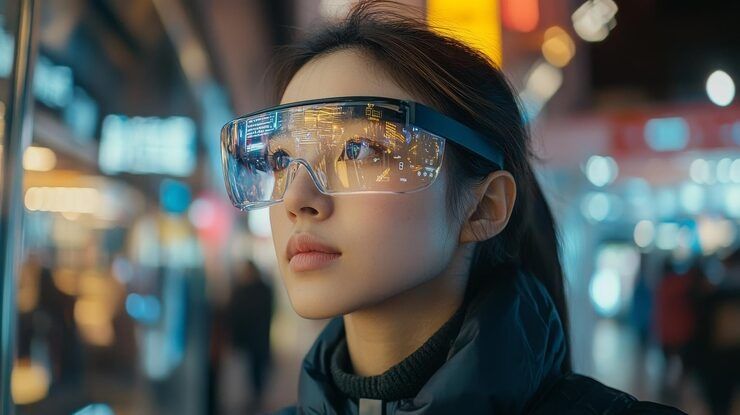
Smart wearable glasses are advanced eyewear devices that combine traditional glasses with digital technology. These devices integrate miniature sensors, cameras, microphones, speakers, and artificial intelligence capabilities to deliver information directly within the user’s field of view or through audio assistance.
The idea behind smart glasses emerged from the broader development of wearable technology. As smartphones and digital assistants became central to daily life, engineers began exploring ways to deliver digital interaction without requiring users to constantly look at handheld screens. Smart glasses were created to provide hands-free access to information, contextual guidance, and seamless interaction with digital services.
Unlike conventional eyewear, smart wearable glasses can perform tasks such as displaying notifications, translating languages, recording visual information, assisting navigation, and interacting with voice commands. These devices exist to reduce the gap between physical environments and digital information while improving convenience and accessibility.
Importance: Why Smart Wearable Glasses Matter Today
Smart wearable glasses are becoming increasingly important because they address modern challenges related to connectivity, productivity, and accessibility. As daily activities rely more on digital data, people often need quick access to information without interrupting tasks.
Why this technology matters today:
-
Hands-free information access: Users can receive directions, messages, or alerts without holding a device
-
Improved accessibility: Supports individuals with visual or hearing limitations through assistive features
-
Workplace productivity: Enables technicians and professionals to access instructions while working
-
Real-time translation: Helps overcome language barriers in travel and communication
-
Augmented awareness: Provides contextual information about surroundings
This technology affects a wide range of groups, including professionals in technical fields, travelers, students, researchers, and accessibility advocates. Smart glasses help solve problems related to information overload, multitasking limitations, and accessibility challenges.
Recent Updates and Trends (2024–2025)
Over the past year, smart wearable glasses have advanced rapidly due to improvements in artificial intelligence, battery efficiency, and display technology.
| Year | Development or Trend | Impact on Users |
|---|---|---|
| 2024 | Integration of advanced AI assistants | More natural voice interaction |
| 2024 | Improved micro-display systems | Clearer visual overlays |
| 2025 | Longer battery performance | Extended daily usability |
| 2025 | Expanded accessibility features | Better support for hearing and visual assistance |
Research programs and technology developers are also exploring new interaction models such as gesture recognition, eye-tracking interfaces, and adaptive displays that adjust brightness and information density automatically.
Another major trend is the development of lightweight designs that resemble traditional eyewear, improving comfort and everyday usability.
Laws and Policies Affecting Smart Wearable Glasses
Smart wearable glasses operate within legal frameworks related to privacy, digital communication, and consumer technology safety.
Key regulatory considerations include:
-
Data privacy regulations: Laws such as GDPR in Europe require transparent data collection and user consent for recording or processing personal information
-
Camera usage guidelines: Some locations restrict recording devices in sensitive areas such as government buildings or private facilities
-
Wireless communication standards: Smart glasses must comply with radio frequency and wireless safety regulations
-
Accessibility programs: Government initiatives promoting assistive technologies may encourage development of wearable accessibility tools
These policies ensure that the benefits of wearable technology are balanced with respect for privacy, safety, and ethical use.
Tools and Resources for Learning About Smart Wearable Glasses
Understanding smart wearable glasses becomes easier with access to reliable educational and technical resources.
Helpful learning resources include:
-
Academic research papers on wearable computing
-
Human-computer interaction studies
-
Technology standards documentation
-
Consumer electronics design journals
Practical tools and references:
-
User interface design guidelines for wearable displays
-
Accessibility design frameworks
-
Battery efficiency comparison charts
-
Hardware performance benchmarking reports
These resources help readers understand how wearable systems function and how design decisions influence usability.
Common Capabilities of Smart Wearable Glasses
Smart wearable glasses can perform several digital tasks within a compact device.
Typical capabilities include:
-
Voice-controlled assistants for quick information retrieval
-
Navigation guidance displayed visually or through audio prompts
-
Real-time translation of spoken or written language
-
Photography and video capture from a first-person perspective
-
Notification display for messages, reminders, or alerts
Some models also include health-monitoring capabilities and contextual awareness features that adapt information based on location or activity.
Frequently Asked Questions
What makes smart wearable glasses different from regular glasses?
They incorporate digital components such as sensors, cameras, and processors that allow interaction with digital information.
Are smart glasses intended to replace smartphones?
They are designed to complement smartphones by providing quick access to information rather than replacing mobile devices entirely.
Do smart glasses require internet connectivity?
Many features rely on wireless connectivity, although some basic functions can operate locally.
Are smart wearable glasses safe to use daily?
When designed according to safety standards, they are intended for regular use similar to other wearable devices.
Who benefits most from smart wearable glasses?
Professionals working hands-free tasks, travelers needing translation or navigation, and individuals requiring accessibility assistance.
Conclusion
Smart wearable glasses represent an important step forward in wearable computing and human-technology interaction. By combining artificial intelligence, sensors, and compact displays, these devices bring digital information closer to everyday experiences without requiring constant attention to handheld screens.
As design improvements continue and regulations evolve to address privacy and safety concerns, smart wearable glasses are likely to become increasingly integrated into daily life. Understanding their capabilities, trends, and policy context allows users and observers to appreciate how this emerging technology may reshape communication, productivity, and accessibility in the years ahead.