Exploring Fitness Devices: A Complete Guide with Key Insights & Helpful Tips
Fitness devices are digital tools designed to track physical activity, monitor body metrics, and support healthier routines through data insights. These devices include fitness trackers, smartwatches, heart-rate monitoring tools, smart scales, connected gym equipment, and wearable sensors. Their purpose is to measure movements, sleep cycles, calorie expenditure, steps, oxygen levels, and other health indicators in a more precise and real-time manner.
The concept emerged from early pedometers decades ago, but major growth happened when wearable technology and mobile sensors evolved, enabling continuous activity tracking through compact digital devices. Today, fitness devices combine sensors, AI-based movement analysis, Bluetooth connectivity, GPS tracking, and cloud-based health dashboards to give users personalized information.
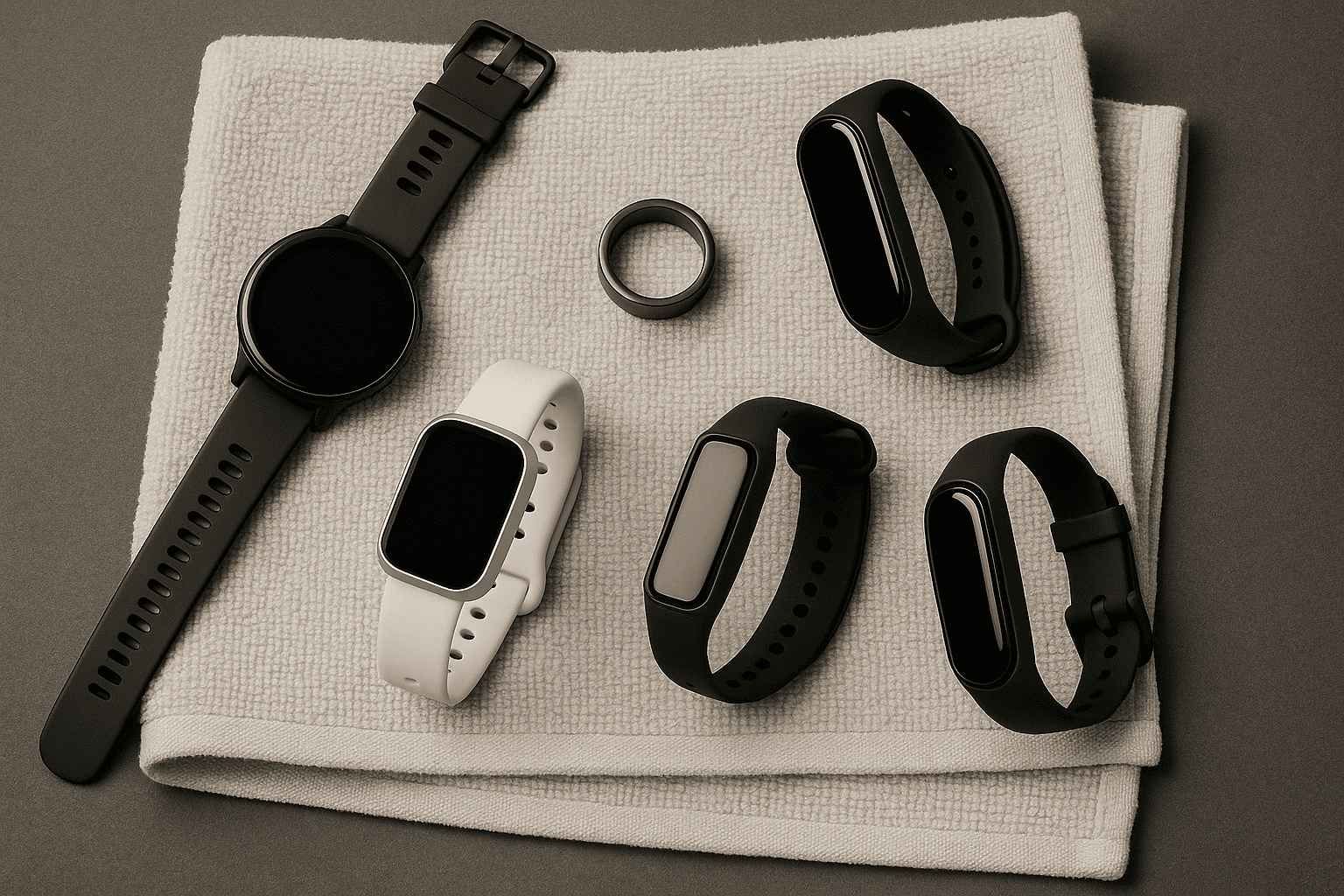
Their development aligns with wider trends in digital wellness, remote monitoring, and preventive health awareness. As people look for smart, data-driven ways to understand their physical condition, these devices have become common tools across daily life, workplaces, sports training, schools, and healthcare-adjacent environments.
Why Fitness Devices Matter Today
The importance of fitness devices has grown especially due to the shift toward self-monitoring and wellness insights. These devices help individuals understand daily patterns that often go unnoticed, such as sedentary time, sleep interruptions, stress responses, or irregular heart-rate trends.
They matter for several groups:
-
Individuals aiming to track daily activity
-
Students and athletes optimizing performance
-
Older adults who benefit from fall-detection or movement-tracking features
-
Fitness educators analyzing digital workout analytics
-
Organizations promoting wellness initiatives
Fitness devices address multiple modern challenges:
-
Lack of physical activity awareness
-
Difficulty in tracking long-term progress
-
Limited understanding of personal health indicators
-
Need for accessible self-monitoring tools
-
Growing interest in wearable technology for preventive care
With high-CPC informational areas like AI-powered fitness equipment, smart health monitoring devices, and digital workout analytics, their relevance continues to rise in search trends. These devices also help people make informed lifestyle decisions by offering reliable, real-time feedback rather than assumptions.
Recent Updates and Trends
The fitness-technology landscape has rapidly evolved, and several notable updates have shaped user expectations.
-
AI-Enhanced Motion Tracking: Many devices introduced advanced motion classification using machine learning, allowing more precise analysis of exercises like squats, lunges, and strength routines.
-
Stress and Recovery Metrics: Wearables expanded beyond physical activity to include stress-response tracking through heart-rate variability, skin temperature, and breathing rate.
-
Integration with Smart Home Platforms: Fitness devices began synchronizing more efficiently with home assistants, making daily monitoring more unified and automated.
-
Improved Battery Systems: Several fitness trackers and smartwatches adopted low-energy processors that extend battery life for sleep tracking and GPS functions.
-
Safety-Focused Features: Devices introduced emergency-signal features, fall alerts, and location-sharing tools that support safety during outdoor activities.
-
Growth of Connected Gym Technology: Indoor stationary machines and AI-powered equipment began offering posture analysis, workout suggestions, and real-time technique feedback.
The fitness sector continues moving toward deeper personalization, precision analytics, and data-driven insights that help individuals understand long-term patterns.
Laws, Policies, and Regulations Affecting Fitness Devices
Fitness devices operate within several policy and regulation areas—especially regarding data accuracy, user privacy, and safe usage. While rules vary globally, several common elements influence how these devices are designed and how user information is handled.
Key regulatory areas include:
-
Data Protection: Many countries follow regulations similar to GDPR principles, requiring transparency on how activity data, heart-rate information, and location records are collected and stored.
-
Health Data Classification: Some features that resemble medical functions must comply with guidelines related to digital health tools. This applies when a device monitors heart rhythms or oxygen saturation.
-
Consumer Safety Standards: Wearable technology must follow guidelines for battery safety, skin-contact materials, and electromagnetic compliance.
-
Transparency Requirements: Manufacturers must clearly communicate what metrics are estimates and how algorithms interpret fitness data.
-
Digital Health Program Integration: In several regions, fitness data integration into wellness or educational programs is governed by strict privacy and security frameworks.
These policies ensure fair usage, protect personal health information, and maintain safety standards for fitness-tracking devices in daily routines.
Practical Tools and Resources Connected to Fitness Devices
Individuals can use various tools, apps, and digital resources to interpret fitness data and build consistent routines. The following categories support activity tracking, workout planning, and performance analysis.
Popular Mobile Apps
-
Daily step-tracking apps
-
Sleep-monitoring apps
-
GPS route-mapping apps for walking, running, or cycling
-
Workout-logging platforms that record strength or cardio sessions
-
Stress-tracking apps that analyze breathing patterns
Device-Compatible Dashboards
-
Cloud-based data dashboards that visualize weekly and monthly activity
-
Platforms offering automatic workout summaries
-
Heart-rate trend graphs and recovery-rate insights
Templates and Planners
-
Printable workout logs
-
Habit-tracking sheets
-
Goal-setting templates for daily or weekly activity
-
Monthly progress charts
Measurement Tools
-
BMI calculators
-
Step-distance calculation tools
-
Heart-rate zone estimators
-
Sleep-cycle analysis charts
-
Energy-expenditure estimators
These resources help users interpret the information captured by wearable technology and build educated, organized routines without needing professional training or specialized knowledge.
Comparative Tables for Better Understanding
Below are simplified tables that help compare common fitness devices and the metrics they typically track.
Table 1: Types of Fitness Devices
| Device Type | Main Features | Common Metrics |
|---|---|---|
| Fitness Tracker | Slim wearable with essential sensors | Steps, calories, sleep patterns |
| Smartwatch | Advanced metrics + app connectivity | Heart-rate, GPS, notifications |
| Smart Scale | Tracks body composition | Weight, body fat %, muscle mass |
| Wearable Sensor Band | Often used in sports performance | Motion analysis, posture |
| Connected Gym Machine | Indoor workout tracking | Form correction, real-time stats |
Table 2: Metrics Tracked by Modern Devices
| Metric Category | Description |
|---|---|
| Activity Metrics | Steps, distance, pace |
| Cardio Metrics | Heart-rate zones, VO₂ estimates |
| Sleep Metrics | Deep sleep, REM, light sleep |
| Recovery Metrics | Resting heart-rate, stress indicators |
| Environmental Metrics | Temperature, altitude, UV exposure |
Frequently Asked Questions
What types of fitness devices are most commonly used?
Commonly used devices include fitness trackers, smartwatches, wearable sensors, smart scales, and connected gym machines. Each category focuses on different aspects such as daily activity, body composition, sleep patterns, or exercise performance.
Do fitness devices provide accurate health insights?
Fitness devices offer estimates based on sensors and algorithms. While they provide useful trends and general information, they are not substitutes for clinical measurements. They work best for observing long-term patterns rather than exact medical readings.
Can fitness devices help improve daily activity?
Yes. By making activity levels visible through steps, movement reminders, or heart-rate zones, these devices encourage users to develop more awareness of daily habits. This awareness often supports better routine management.
Are fitness devices suitable for older adults?
Many devices include features that support older adults, such as fall detection, simple movement tracking, and emergency alerts. However, comfort, ease of use, and clear displays are important considerations.
Do fitness devices store personal data?
Most devices store data on secure servers or local apps. Users can usually adjust privacy settings, manage permissions, and choose what information is synced or shared.
Conclusion
Fitness devices have become important tools for understanding physical activity, daily routines, and wellness habits through clear data insights. Their evolution from simple step counters to advanced wearable technology has transformed how individuals track progress and observe health patterns. With improved sensors, AI-based analytics, GPS functions, and cloud dashboards, these devices now offer a detailed view of how the body responds throughout the day.
As trends continue to shift toward personalized wellness, the role of fitness devices will likely expand, integrating more advanced analytics, safety features, and user-friendly tools. Understanding the context, regulations, and available resources helps individuals make informed decisions and use these devices effectively in everyday life.