Exploring Electric Scooter Sharing: Overview, Practical Tips, and Important Facts to Know
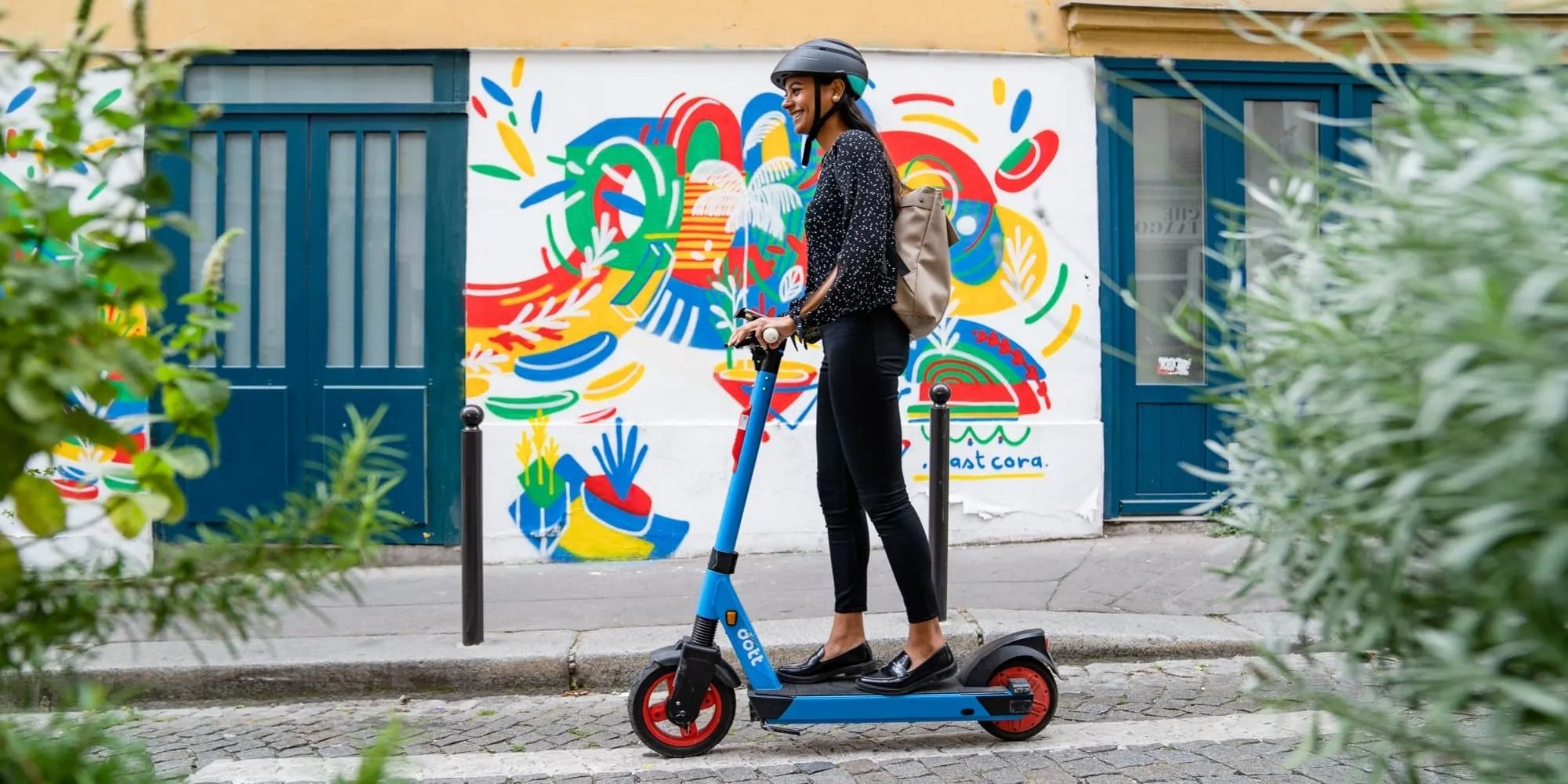
Urban mobility has changed rapidly as cities look for transportation options that are flexible, efficient, and environmentally conscious. Among these innovations, electric scooter sharing has become a widely recognized form of short-distance travel. These small electric vehicles are typically accessed through mobile applications, allowing riders to locate and unlock scooters placed around urban areas.
Electric scooter sharing systems are designed for short trips, often covering distances between public transport stations, workplaces, residential neighborhoods, and commercial areas. They are usually part of the broader concept of micro-mobility, which focuses on compact and lightweight transport solutions for urban environments.
This article explains how electric scooter sharing works, why it matters, current trends shaping the industry, regulatory considerations, and practical tools that help people understand this transportation model.
Understanding Electric Scooter Sharing
Electric scooter sharing refers to a system where individuals can temporarily use electric scooters distributed across a city or designated service zones. Access is typically managed through smartphone applications that display scooter locations on a digital map.
Once a scooter is located, the rider scans a code via the app to unlock it. After completing the trip, the scooter is parked in an approved area or designated parking zone.
Common features of shared e-scooters include:
- Lightweight electric motors
- Rechargeable battery systems
- GPS tracking for location monitoring
- App-based unlocking mechanisms
- Designed for short-distance travel
These scooters are mainly used for quick urban trips, often lasting just a few minutes.
Why Electric Scooter Sharing Matters in Modern Cities
Urban transportation systems face ongoing challenges such as congestion, pollution, and limited parking space. Electric scooter sharing has emerged as a micro-mobility solution that helps address these issues.
One of its key roles is solving the “last-mile” problem, which refers to the short distance between public transport stations and final destinations.
Key benefits include:
- Reducing traffic congestion by replacing short car trips
- Lower emissions compared to fuel-based vehicles
- Improving accessibility for short-distance travel
- Supporting public transportation networks
Comparison of Urban Transport Options
| Mode | Typical Distance | Energy Source | Space Usage |
|---|---|---|---|
| Electric Scooter | Short trips | Battery | Low |
| Bicycle | Short–medium | Human/electric | Low |
| Car | Short–long | Fuel/electric | High |
| Walking | Very short | Human | Very low |
Electric scooters are especially effective in dense urban areas where quick, flexible travel is needed.
Recent Developments and Trends
Over the past year, electric scooter sharing systems have evolved through technological improvements and urban mobility integration.
Key developments include:
Improved safety features
Newer scooters include better braking systems, enhanced lighting, and improved stability.
Geofencing technology
GPS-based systems control where scooters can operate, limit speeds, or restrict access in certain zones.
Battery and charging innovations
Battery swapping and improved charging logistics reduce downtime and increase availability.
Integration with public transport apps
Some cities now integrate scooter data into transit apps, enabling multi-modal journey planning.
Trend Comparison
| Area | Earlier Systems | Newer Systems |
|---|---|---|
| Location Tracking | Basic GPS | Advanced geofencing |
| Safety Features | Standard brakes | Enhanced safety systems |
| Battery Management | Fixed charging | Battery swapping |
| App Integration | Separate apps | Transit integration |
These advancements aim to improve efficiency, safety, and user convenience.
Regulations and Policy Considerations
Electric scooter sharing operates under local regulations designed to balance convenience with public safety.
Common regulatory areas include:
- Minimum rider age and safety guidelines
- Speed limits in pedestrian or mixed-use zones
- Designated parking requirements
- Restricted operational zones
- Fleet size and data-sharing rules
Urban planners often integrate scooter sharing into broader transportation strategies that include cycling infrastructure and pedestrian safety initiatives.
These policies help ensure that scooters are used responsibly and do not disrupt public spaces.
Tools, Apps, and Useful Resources
Various digital tools help users and planners interact with electric scooter systems.
Common tools include:
- Micro-mobility apps to locate and unlock scooters
- Route planning tools for combining scooters with public transit
- City transport portals showing allowed zones
- Mobility dashboards analyzing usage patterns
- Safety education platforms for rider awareness
Resource Overview
| Tool Type | Purpose |
|---|---|
| Mobility Apps | Locate and use scooters |
| Transport Portals | View riding and parking zones |
| Route Planners | Plan multi-modal trips |
| Data Dashboards | Analyze urban mobility trends |
| Safety Guides | Promote responsible riding |
These tools improve usability and support better integration into city infrastructure.
Frequently Asked Questions
How does scooter sharing work?
Users locate scooters via a mobile app, unlock them by scanning a code, ride to their destination, and park them in a permitted area before ending the trip.
Are scooters suitable for long distances?
No. They are designed for short urban trips and last-mile connectivity.
What safety precautions should riders follow?
Riders should follow traffic rules, use designated lanes, and wear protective gear where recommended.
How do cities manage large scooter fleets?
Cities use regulations such as parking zones, geofencing, and fleet limits to manage scooter distribution and usage.
Do scooters replace public transport?
No. They complement public transport by covering short distances and improving connectivity.
Conclusion
Electric scooter sharing represents a growing segment of urban mobility, offering flexible and efficient transportation for short-distance travel. By combining electric vehicles with digital technology, these systems help reduce congestion and support sustainable city planning.
As cities continue to evolve, the success of scooter sharing depends on effective regulations, responsible usage, and integration with broader transportation networks.