Exploring Electric Scooter Sharing: Overview, Practical Tips, and Important Facts to Know
Urban mobility has changed rapidly as cities look for transportation options that are flexible, efficient, and environmentally conscious. Among these innovations, electric scooter sharing has become a widely recognized form of short-distance travel. These small electric vehicles are typically accessed through mobile applications, allowing riders to locate and unlock scooters placed around urban areas.
Electric scooter sharing systems are designed for short trips, often covering distances between public transport stations, workplaces, residential neighborhoods, and commercial areas. They are usually part of the broader concept of micro-mobility, which focuses on compact and lightweight transport solutions for urban environments.
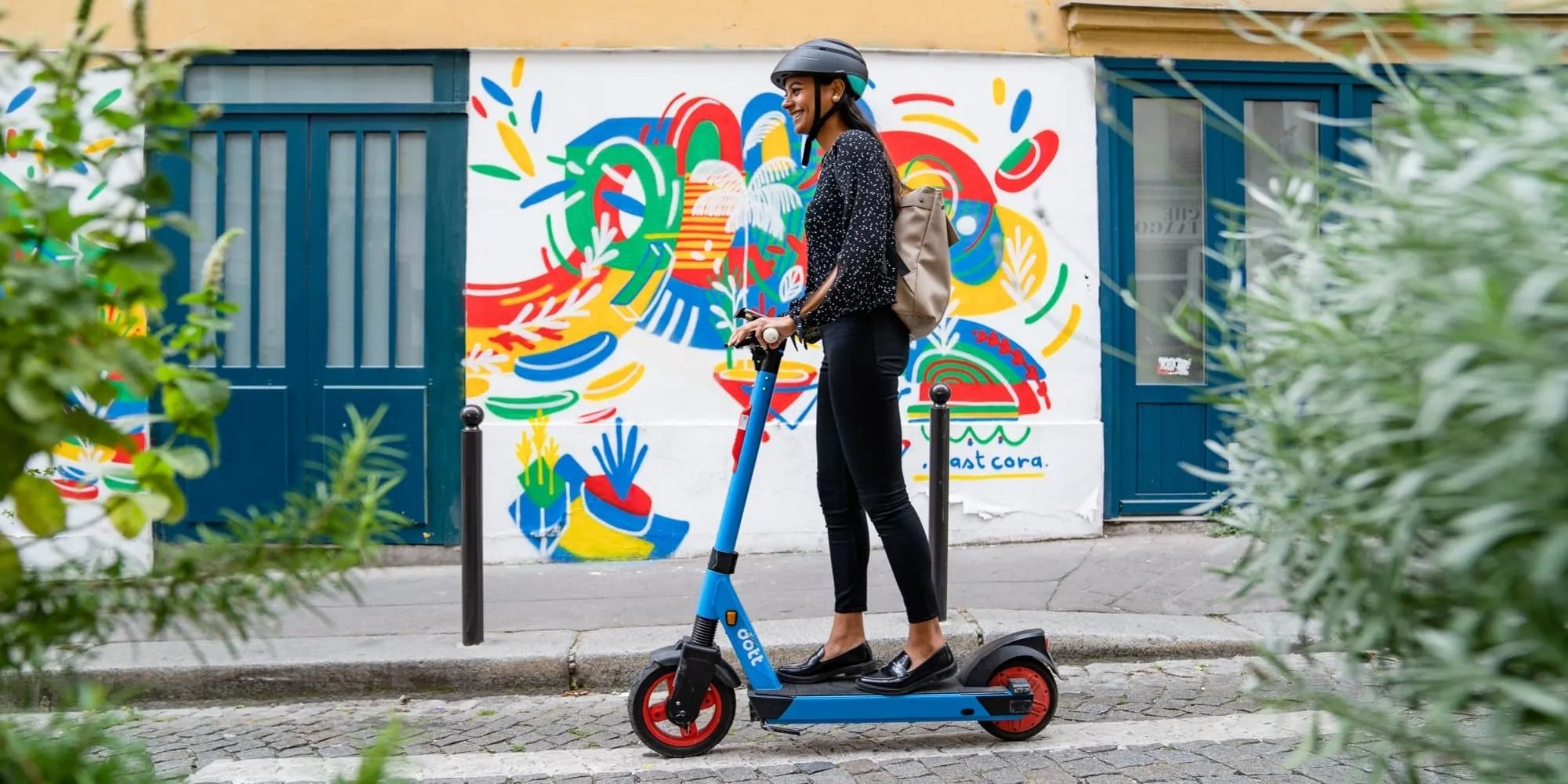
This article explains how electric scooter sharing works, why it matters, current trends shaping the industry, regulatory considerations, and practical tools that help people understand this transportation model.
Understanding Electric Scooter Sharing
Electric scooter sharing refers to a system where individuals can temporarily use electric scooters that are distributed throughout a city or specific service zones. Access typically occurs through smartphone applications that display scooter locations on a digital map.
Once a scooter is located, the rider scans a code through the app to activate it. When the ride ends, the scooter is parked in a designated area or allowed parking zone.
Common characteristics of shared e-scooters include:
-
Lightweight electric motors
-
Rechargeable batteries
-
GPS tracking systems
-
App-based unlocking mechanisms
-
Short-distance travel focus
These scooters are usually intended for trips that range from a few minutes to short commutes across neighborhoods.
Why Electric Scooter Sharing Matters in Modern Cities
Transportation systems in many cities face challenges such as congestion, pollution, and limited parking space. Electric scooter sharing has emerged as a mobility option that addresses several of these issues.
Many urban areas now consider micro-mobility part of their broader transportation planning. Electric scooters are particularly useful for the “last-mile” problem, which refers to the distance between major public transit stations and final destinations.
Key reasons electric scooter sharing has gained attention include:
-
Reducing traffic congestion by providing an alternative to short car trips
-
Lower environmental impact compared to traditional motor vehicles
-
Improving accessibility for short urban trips
-
Complementing public transportation systems
The following table illustrates how electric scooters compare with other common short-distance travel options.
| Transportation Mode | Typical Distance Range | Energy Source | Urban Space Usage |
|---|---|---|---|
| Electric Scooter | Short urban trips | Rechargeable battery | Low |
| Bicycle | Short to medium distance | Human-powered or electric | Low |
| Car | Short to long distance | Fuel or electric | High |
| Walking | Very short distance | Human-powered | Very low |
Electric scooter sharing often works best in dense urban environments where short trips are common and public transit connections are frequent.
Recent Developments and Trends in Electric Scooter Sharing
Over the past year, several trends have shaped the development of electric scooter sharing systems. Urban mobility researchers and transportation planners continue to evaluate how scooters integrate into existing infrastructure.
Recent developments include:
Improved safety technology
Many newer scooters include enhanced braking systems, brighter lighting, and improved stability features designed to support safer riding.
Geofencing technology
Operators increasingly use GPS-based geofencing to manage where scooters can operate. This technology can automatically limit speeds or restrict usage in certain areas.
Battery and charging improvements
Battery swapping and improved charging logistics have been introduced in several cities, helping reduce operational downtime and supporting more consistent availability.
Integration with public transit apps
Some transportation networks have begun integrating scooter locations directly into public transit applications, allowing users to plan multi-modal trips more easily.
The following simplified trend comparison illustrates how key areas of innovation have evolved in recent years.
| Area of Development | Earlier Systems | Newer Systems |
|---|---|---|
| Location tracking | Basic GPS | Advanced geofencing |
| Safety features | Standard brakes | Enhanced braking and lighting |
| Battery management | Fixed charging | Battery swapping systems |
| App integration | Separate apps | Transit integration in some cities |
These improvements aim to make scooter sharing systems safer, more efficient, and easier to manage within busy urban environments.
Regulations and Policy Considerations
Electric scooter sharing systems operate within a framework of local regulations designed to balance innovation with public safety.
Rules vary by region, but policies often address the following areas:
Rider eligibility
Some jurisdictions set minimum age requirements or require helmets depending on local traffic laws.
Speed limits
Electric scooters may have regulated speed limits when operating in pedestrian zones, bike lanes, or mixed-traffic areas.
Parking requirements
Cities frequently designate specific parking zones to prevent scooters from obstructing sidewalks or public pathways.
Operational zones
Local governments may define where scooters can be used, restricting access in high-traffic pedestrian areas, parks, or historic districts.
Fleet management rules
Operators may be required to maintain fleet size limits, share anonymized mobility data with city authorities, or meet environmental standards.
Urban planners often treat scooter sharing as part of broader mobility programs that include cycling infrastructure, pedestrian safety initiatives, and public transit systems.
Helpful Tools, Apps, and Resources
Several digital tools help individuals understand and navigate electric scooter sharing systems more effectively. These tools support trip planning, safety awareness, and mobility research.
Common resources include:
Mobility apps
Many scooter networks operate through dedicated mobile applications that allow users to:
-
Locate nearby scooters
-
View riding zones
-
Access safety guidelines
-
Monitor ride duration
Urban mobility planning tools
Transportation planners often use mapping and mobility analysis tools to study how micro-mobility integrates with city infrastructure.
Examples of commonly used resources include:
| Tool Type | Purpose |
|---|---|
| Micro-mobility apps | Locate and unlock scooters |
| City transportation portals | View permitted riding zones |
| Route planning tools | Combine scooters with public transit |
| Urban mobility dashboards | Analyze mobility trends |
Safety education resources
Many transportation departments publish educational guides that explain responsible scooter use, helmet recommendations, and road awareness practices.
Data dashboards
Some cities provide public dashboards showing micro-mobility usage statistics, helping researchers and policymakers study trends in urban transportation.
Frequently Asked Questions About Electric Scooter Sharing
How does an electric scooter sharing system typically work?
Electric scooter sharing systems usually operate through mobile applications that display scooter locations on a map. A rider unlocks the scooter using the app, rides to a destination, and parks the scooter in a permitted area before ending the session.
Are electric scooters intended for long-distance travel?
Electric scooters are primarily designed for short trips within urban areas. They are often used for distances between public transport stations and nearby neighborhoods or workplaces.
What safety precautions should riders follow?
Safety guidelines commonly include wearing protective gear where recommended, following traffic rules, using designated lanes when available, and avoiding crowded pedestrian areas.
How do cities manage large numbers of shared scooters?
Cities often use regulations that control fleet sizes, require designated parking zones, and enforce geofencing restrictions to prevent misuse.
Do electric scooters replace other forms of transportation?
Electric scooters generally complement existing transportation systems rather than replacing them. They often serve as an additional option for short-distance travel within broader mobility networks.
Conclusion
Electric scooter sharing represents a growing segment of urban micro-mobility that aims to provide flexible transportation for short trips. By combining compact electric vehicles with smartphone technology, these systems allow individuals to navigate cities in ways that can reduce congestion and support sustainable travel patterns.
While the adoption of electric scooters continues to expand in many urban areas, successful integration depends on thoughtful regulation, responsible riding practices, and well-designed infrastructure. As technology evolves and cities refine mobility policies, electric scooter sharing will likely remain part of ongoing discussions about how people move efficiently within modern urban environments.