Exploring Destination Weddings: A Complete Guide for Modern Couples
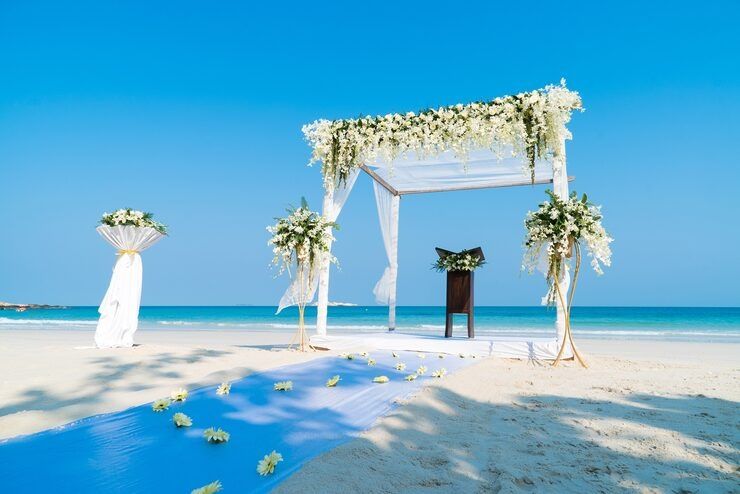
A destination wedding is a marriage ceremony that takes place in a location away from the couple's hometown—often in a scenic or culturally significant spot. These weddings can be held at beach resorts, historic cities, mountain retreats, or even in other countries
Destination weddings have gained traction for several reasons:
-
Rising travel accessibility: With cheaper flights and global connectivity, more couples find it practical to wed abroad.
-
Smaller guest lists: Many couples prefer hosting a limited number of attendees, focusing on close friends and family.
-
Combining celebration with vacation: Guests often turn the event into a multi-day getaway.
-
Unique experiences: Couples can align their wedding themes with local cultures, architecture, or nature.
Who It Affects
-
Couples looking for personalized events
-
Travel industry professionals
-
Wedding planners and vendors
-
Local tourism sectors in popular wedding destinations
Problems It Solves
-
Avoids the complexity and pressure of large, traditional weddings
-
Helps in controlling the wedding budget through inclusive packages
-
Enables one-of-a-kind ceremonies tailored to couple's tastes
Recent Trends and Developments (2024–2025)
In the last year, several destination wedding trends have shaped the industry:
| Trend | Details |
|---|---|
| Eco-Friendly Ceremonies | Many couples now opt for low-waste, sustainable weddings. |
| Micro Weddings | Weddings with under 20 guests are increasingly popular. |
| All-Inclusive Packages | Resorts offer bundled services to simplify planning. |
| Workcations Combined | Some guests mix attending weddings with remote work stays. |
| Virtual Elements | Hybrid weddings with live streams are more common for those unable to travel. |
As of 2025, top wedding destinations include Mexico, Italy, Bali, Greece, and the Maldives. However, new locations like Morocco and Vietnam are seeing increased interest due to their affordability and scenic beauty.
Legal Requirements and Policies
Destination weddings involve legal and logistical planning that varies based on location.
Common Legal Aspects to Consider:
-
Residency Requirements: Some countries require couples to be in the country for a few days before the ceremony.
-
Documentation: Birth certificates, valid passports, visas, and sometimes affidavits of single status are needed.
-
Local Regulations: Certain religious or civil ceremonies may only be legal when performed in licensed venues or by specific officials.
-
Recognition of Foreign Marriages: Ensure the marriage will be legally recognized in your home country.
Country-Specific Examples
| Country | Waiting Period | Legal Ceremony Requirements |
|---|---|---|
| Italy | 2–4 days | Civil or Catholic weddings must occur in authorized venues. |
| Mexico | 3 business days | Requires blood tests and translations for documents. |
| Bali (Indonesia) | None officially, but religious component is mandatory. | Must comply with both religious and civil laws. |
| Greece | 8 days | Requires published notice of intent and translated documents. |
Always consult with local embassies or destination wedding coordinators to understand exact policies.
Tools and Resources
Planning a destination wedding involves coordination across borders. Several tools can simplify the process:
Planning Tools
-
Zola or The Knot – Wedding planning platforms with destination-specific advice
-
WeddingWire – Offers global vendor directories and customizable checklists
-
Google Docs/Sheets – For collaborative planning with guests and vendors
Travel & Budget
-
Skyscanner / Hopper – Track flight prices and availability
-
XE Currency App – For real-time currency conversion and budget planning
-
Travel Insurance Comparators – Essential for both guests and the couple
Legal & Paperwork Help
-
VitalChek – For ordering official copies of U.S. documents
-
MyTravelGov – U.S. State Department’s portal for travel and consular info
-
Country-specific marriage law portals – Many countries offer official English-language guidelines
Frequently Asked Questions (FAQs)
1. Is a destination wedding cheaper than a traditional wedding?
It can be, depending on the location, guest list, and package chosen. Many couples find that with fewer guests and all-inclusive deals, costs are more predictable and manageable.
2. How far in advance should you plan a destination wedding?
Ideally, 12 to 18 months. This allows time for travel arrangements, legal documentation, and proper notice for guests.
3. Do guests pay for their own travel and stay?
Typically, yes. While couples may cover accommodations for key guests, it’s standard for attendees to pay for their own travel and lodging unless otherwise stated.
4. Can I have a legal and symbolic ceremony in different places?
Yes. Many couples legally marry in their home country for simplicity and hold a symbolic ceremony abroad.
5. What happens if weather disrupts a destination wedding?
Venues usually have contingency plans, such as indoor alternatives. Travel insurance can also help cover last-minute changes or cancellations.
Final Thought
Destination weddings offer a unique way for couples to celebrate their commitment in memorable surroundings. However, the charm of marrying abroad comes with careful planning, legal checks, and clear communication. With the right tools and foresight, these events can be both beautiful and smooth, blending travel and love into one unforgettable experience.