Explore Wood Chippers: A Complete Guide with Basics, Facts, and Key Information
Wood chippers are mechanical devices designed to reduce branches, twigs, and other woody debris into smaller pieces known as wood chips. These machines were developed to manage natural waste generated from trees and shrubs in a practical and organized way. Instead of leaving bulky piles of branches or burning organic material, wood chippers convert it into reusable chips that are easier to handle, store, and transport.
The basic idea behind wood chippers is efficiency. Tree maintenance, landscaping, agriculture, and forestry activities naturally produce large volumes of woody waste. Handling this material manually is time-consuming and space-intensive. Wood chippers provide a controlled method to process this waste on-site or at centralized locations, improving workflow and reducing environmental impact.
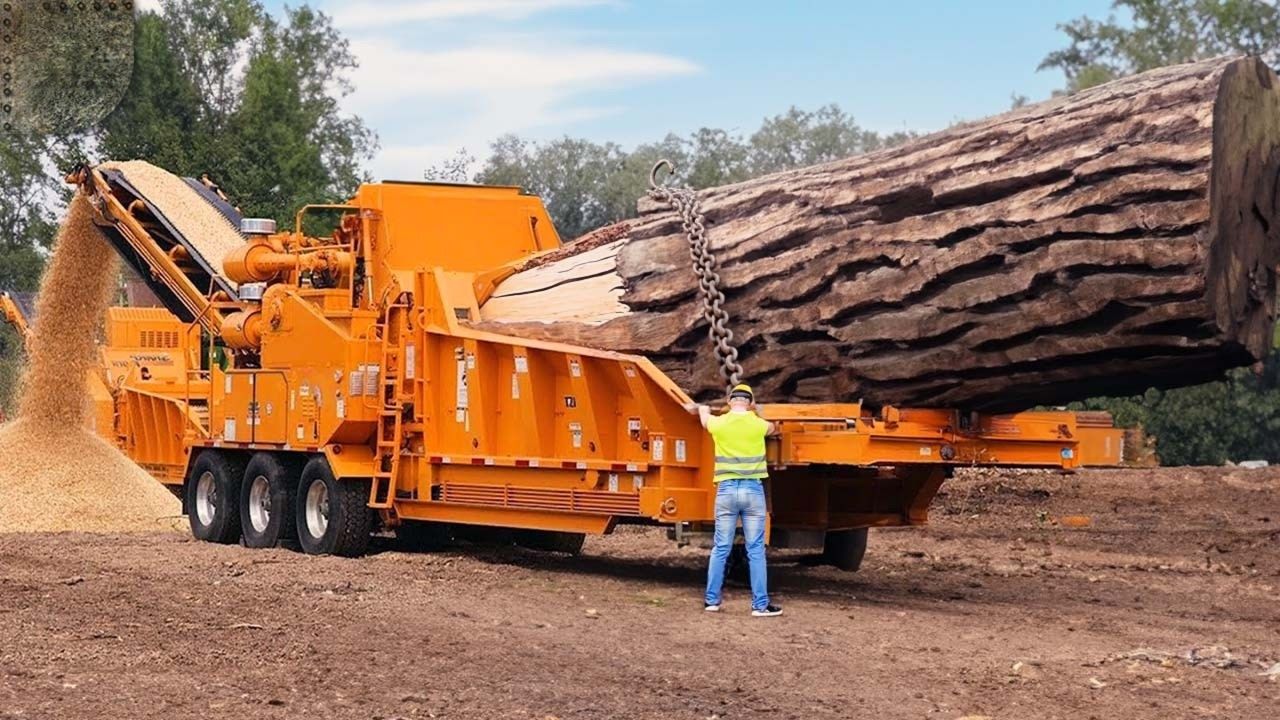
At their core, wood chippers consist of a feeding mechanism, a cutting system, and a discharge outlet. The cutting system may use rotating blades, drums, or discs to break down material into uniform pieces. The resulting chips can be used for ground cover, composting, erosion control, or biomass-related applications.
Importance: Why Wood Chippers Matter Today
Wood chippers play a significant role in modern land management and environmental practices. As urban green spaces, agricultural land, and managed forests continue to expand, the need for organized organic waste handling becomes more important.
Key reasons wood chippers are relevant today include:
-
Waste volume reduction: Large branches are reduced into compact chips, making handling and storage easier.
-
Environmental responsibility: Chipping supports natural recycling of organic material instead of disposal methods that increase emissions.
-
Operational efficiency: On-site processing saves time and reduces repeated handling of debris.
-
Resource reuse: Wood chips can be repurposed for soil health, moisture retention, and surface stabilization.
These machines affect a wide range of users, including property managers, municipal maintenance teams, agricultural operators, and forestry professionals. By solving the challenge of bulky wood waste, wood chippers support cleaner worksites and more sustainable land-use practices.
Recent Updates: Technology and Usage Trends
Over the past several months, wood chipper technology has seen steady refinement rather than radical change. Manufacturers have focused on safety enhancements, energy efficiency, and improved material handling.
Recent developments include:
-
Enhanced safety feed systems: Updated auto-feed and reverse mechanisms introduced in recent product updates help reduce blockages and operator strain.
-
Noise and vibration reduction: Engineering improvements reported in late-month industry briefings have focused on quieter operation for urban environments.
-
Smarter monitoring: Digital hour meters and basic sensor-based alerts are increasingly standard, supporting better maintenance planning.
-
Fuel efficiency improvements: Incremental engine tuning updates announced across multiple quarters have emphasized reduced consumption and lower emissions output.
These updates reflect a broader trend toward durable, compliant, and user-aware equipment rather than rapid redesign.
Laws or Policies: How Rules Shape Wood Chipper Use
Wood chippers are influenced by general equipment safety and environmental regulations rather than standalone laws. These rules typically focus on operator protection, noise control, and responsible waste handling.
Common regulatory considerations include:
-
Workplace safety standards: Requirements often address protective guarding, emergency stop features, and operator training.
-
Environmental guidelines: Organic waste processing is encouraged as an alternative to open disposal, aligning with sustainability policies.
-
Noise exposure limits: Operational sound levels are monitored in residential or public areas to reduce disturbance.
-
Emissions compliance: Engines used in wood chippers must align with broader machinery emission frameworks.
These policies aim to ensure that wood chippers are used responsibly while supporting environmental and safety goals.
Tools and Resources: Helpful References and Aids
Understanding and managing wood chippers is easier with access to reliable tools and educational resources. While professional instruction remains important, several supportive materials are commonly used.
Useful resources include:
-
Equipment manuals: Detailed guides covering operation, safety checks, and maintenance routines.
-
Blade wear charts: Visual references to help identify sharpening or replacement intervals.
-
Maintenance log templates: Simple records for tracking inspections and servicing.
-
Organic waste management guides: Educational publications explaining how wood chips are reused in land care.
-
Safety training materials: Illustrated guides focused on protective practices and correct feeding techniques.
These resources support informed use and help extend the working life of the equipment.
Common Types of Wood Chippers (Overview Table)
| Type of Wood Chipper | Typical Use Area | Key Characteristics |
|---|---|---|
| Disc-based chipper | Landscaping tasks | Produces uniform chips, fast processing |
| Drum-based chipper | Forestry operations | Handles larger branches efficiently |
| Screw-type chipper | Light-duty applications | Compact design, slower feed rate |
| Mobile chipper units | Field-based work | Portable and adaptable to locations |
This overview highlights how different designs address different material volumes and operating environments.
Material Flow: How Wood Is Processed (Process Summary)
-
Branches are fed into the intake chute
-
Cutting components reduce material size
-
Chips are discharged into a pile or container
-
Chips are reused or stored for later application
This simple flow explains why chippers are valued for clarity and repeatability in operation.
FAQs: Clear Answers to Common Questions
What materials can a wood chipper handle?
Wood chippers are designed for branches, twigs, and woody plant material. Leaves and soft vegetation are usually processed separately.
Are wood chips all the same size?
Chip size varies depending on blade configuration, machine design, and feed speed. Many systems aim for consistent output.
How often do blades need attention?
Blade condition depends on usage intensity and material type. Regular inspections help determine sharpening needs.
Is operator training important?
Yes. Proper training supports safe feeding practices, equipment care, and emergency response awareness.
Can wood chips be reused naturally?
Wood chips are commonly reused for soil coverage, composting support, and moisture retention in landscaped areas.
Conclusion
Wood chippers are practical machines designed to simplify the management of woody debris. By converting bulky branches into manageable chips, they support cleaner environments, efficient workflows, and responsible organic material handling. Their importance spans landscaping, agriculture, and forestry, where reducing waste volume and encouraging reuse are ongoing priorities.
With steady improvements in safety features, efficiency, and monitoring tools, wood chippers continue to align with modern environmental and operational expectations. Supported by clear guidelines, helpful resources, and informed use, these machines remain a key part of sustainable land and vegetation management practices.