Explore Wireless Security Cameras: A Complete Guide with Basics, Facts, and Information.
Wireless security cameras are electronic monitoring devices designed to capture video footage and transmit it using wireless communication technologies. Unlike traditional wired systems, these cameras rely on Wi-Fi or similar signals for data transfer rather than physical cables for connectivity.
The primary reason wireless security cameras exist is to simplify surveillance. Traditional camera systems often require complex wiring, drilling, and technical installation. Wireless alternatives reduce these barriers, making visual monitoring more accessible for homes, offices, and shared spaces.
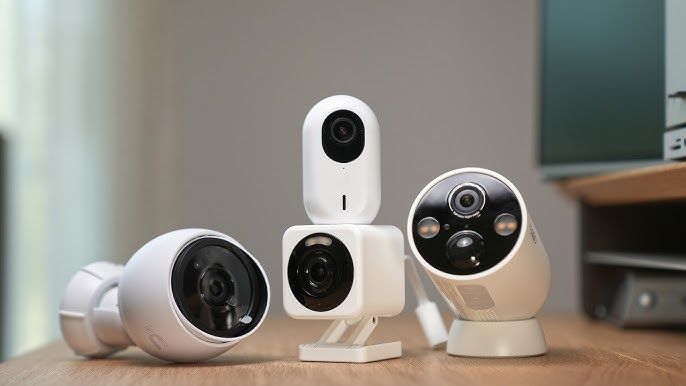
These cameras typically include components such as a camera lens, motion sensors, storage options, and network connectivity. Some models store recordings locally, while others transmit footage to secure digital platforms. The evolution of wireless networking and compact imaging technology has played a major role in making these systems widely available.
Wireless security cameras are now used not only for security monitoring but also for general awareness, activity tracking, and documentation purposes.
Importance: Why Wireless Security Cameras Matter Today
Wireless security cameras play a significant role in modern safety and monitoring practices. Their importance extends across multiple user groups and environments.
Key reasons they matter
-
Increased need for remote monitoring
-
Growth of connected home and workplace technology
-
Demand for flexible and scalable surveillance solutions
These cameras help address several practical challenges:
-
Limited visibility in unattended spaces
-
Difficulty in installing wired surveillance systems
-
Need for real-time alerts and recorded evidence
Wireless security cameras affect a wide audience, including homeowners, renters, facility managers, and small organizations. They are particularly relevant in environments where permanent wiring is impractical or restricted.
From an information perspective, they contribute to better situational awareness. Recorded footage can support investigations, clarify incidents, and improve decision-making without relying on constant human supervision.
Recent Updates: Changes and Trends in Wireless Camera Technology
Wireless security camera technology has continued to evolve due to advancements in networking, data processing, and hardware design.
Notable developments observed over recent months
-
Improved image resolution, including clearer night vision
-
More efficient motion detection using pattern recognition
-
Enhanced encryption methods for data transmission
-
Better power efficiency and battery performance
Another visible trend is the integration of wireless cameras with broader smart systems. Cameras increasingly work alongside lighting, alarms, and notification platforms to create coordinated responses to detected activity.
Cloud-based video management has also matured. Many systems now focus on optimized data storage, faster access to recordings, and reduced bandwidth usage.
Privacy and data protection features have received more attention as well, with stronger controls over access, sharing, and retention of video data.
Laws or Policies: Regulatory Considerations and Compliance
Wireless security cameras are influenced by privacy, surveillance, and data protection rules rather than a single unified regulation.
Common regulatory principles affecting their use
-
Respect for personal privacy in monitored areas
-
Restrictions on recording audio or private spaces
-
Requirements for transparency and notice in shared environments
-
Data handling rules related to storage, access, and retention
In many regions, surveillance devices are expected to be used responsibly and proportionately. Policies often focus on preventing misuse, unauthorized monitoring, or excessive data collection.
Organizations and individuals using wireless cameras are generally encouraged to:
-
Inform people when monitoring is active
-
Limit camera coverage to relevant areas
-
Secure stored footage against unauthorized access
Compliance with these principles helps ensure ethical and lawful use while maintaining public trust.
Tools and Resources: Helpful Support for Wireless Camera Users
Several tools and digital resources support effective use and understanding of wireless security cameras.
Common tools and platforms
-
Mobile applications for live viewing and alerts
-
Network testing tools to assess signal strength
-
Video playback and footage management software
-
Storage monitoring dashboards
Educational and reference resources
-
Online knowledge bases explaining camera features
-
Network security guides focused on connected devices
-
Planning templates for camera placement and coverage
Below is a simplified table illustrating typical tool categories and their purpose:
| Tool Category | Primary Purpose |
|---|---|
| Monitoring Apps | View live footage and notifications |
| Network Tools | Check connectivity and signal stability |
| Storage Managers | Organize and retrieve recordings |
| Security Guides | Improve data protection practices |
These resources help users make informed decisions and maintain reliable camera performance.
How Wireless Security Cameras Work: A Simple Overview
Wireless security cameras function through a combination of imaging, detection, and communication processes.
Basic operational flow
-
The camera lens captures visual data
-
Motion sensors detect activity within a defined range
-
Footage is encoded and transmitted wirelessly
-
Data is stored or accessed through authorized devices
Below is a simple text-based representation of the workflow:
The quality of performance depends on factors such as signal strength, camera placement, and environmental conditions.
Advantages and Limitations: A Balanced View
Wireless security cameras offer clear benefits but also have limitations that users should understand.
Advantages
-
Flexible placement without extensive wiring
-
Easier setup compared to wired systems
-
Remote access from compatible devices
-
Scalable monitoring options
Limitations
-
Dependence on stable network connectivity
-
Potential signal interference
-
Limited range in certain environments
Understanding both sides helps set realistic expectations and supports better planning.
FAQs: Common Questions About Wireless Security Cameras
What makes a security camera wireless?
A wireless security camera transmits video data through a wireless network instead of using physical cables for connectivity.
Do wireless cameras work without the internet?
Some cameras can record locally without internet access, but remote viewing and alerts usually require connectivity.
How is data from wireless cameras protected?
Most systems use encryption and access controls to protect transmitted and stored footage.
Can wireless cameras be used indoors and outdoors?
Yes, models are designed for both environments, with outdoor versions typically offering weather resistance.
What affects the performance of a wireless camera?
Signal strength, placement, lighting conditions, and network quality all influence performance.
Conclusion: Key Takeaways on Wireless Security Cameras
Wireless security cameras represent a practical evolution in visual monitoring technology. By reducing reliance on physical wiring, they offer greater flexibility and accessibility for a wide range of environments.
Their importance lies in supporting awareness, documentation, and responsible monitoring practices. Ongoing technological improvements continue to enhance image quality, reliability, and data protection features.
When used thoughtfully and in line with applicable policies, wireless security cameras can serve as valuable tools for observation and information gathering. Understanding how they work, their limitations, and available resources enables more effective and ethical use.