Importance: Why Warehouse Software Matters Today
Warehouse software plays a critical role in modern supply chain management. As customer expectations for faster order fulfillment increase, warehouses must operate with higher accuracy and efficiency. This software helps achieve those goals by minimizing human error and improving operational clarity.
Key reasons this topic matters include:
-
Increasing inventory volumes and product diversity
-
Growing demand for real-time inventory tracking
-
The need for accurate reporting and audit readiness
-
Pressure to optimize warehouse space utilization
Warehouse software affects multiple stakeholders, including warehouse operators, inventory planners, logistics coordinators, and compliance teams. It helps solve common problems such as misplaced inventory, delayed order processing, stock discrepancies, and inefficient storage layouts.
Without a structured system, warehouses risk operational bottlenecks, data inconsistencies, and limited scalability.
Core Features Commonly Found in Warehouse Software
Warehouse software typically includes a set of foundational features designed to support daily operations. These features vary by system type and complexity but usually cover essential warehouse activities.
Common features include:
-
Inventory tracking and location mapping
-
Barcode and RFID integration
-
Stock level alerts and replenishment indicators
-
Order picking and packing coordination
-
Receiving and put-away guidance
-
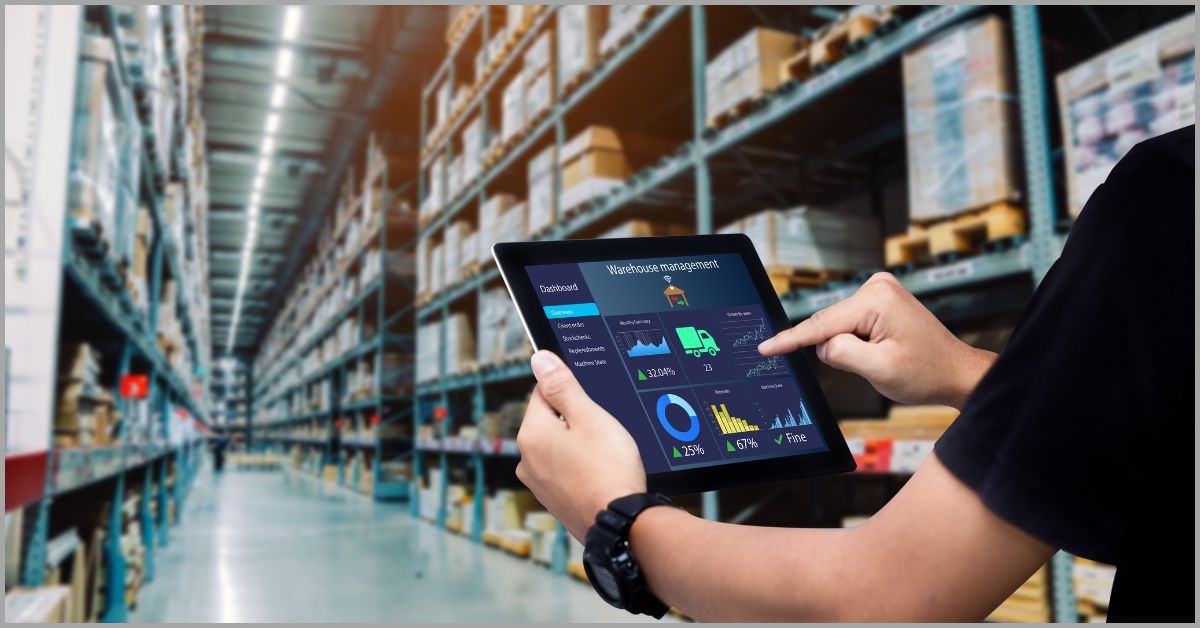
Reporting and analytics dashboards
Below is a simplified feature overview table:
| Feature Area | Primary Function |
|---|
| Inventory Control | Tracks quantities and locations |
| Order Management | Coordinates picking and dispatch |
| Data Reporting | Provides operational insights |
| Integration Tools | Connects with ERP or logistics systems |
These features help warehouses maintain data accuracy while improving operational transparency.
Recent Updates: Trends and Developments in Warehouse Software
Warehouse software has continued to evolve in response to operational and technological changes. Recent developments have focused on flexibility, automation readiness, and data intelligence.
Notable trends observed in recent months include:
-
Increased use of cloud-based warehouse platforms
-
Expanded use of data analytics for inventory forecasting
-
Improved mobile device compatibility for warehouse staff
-
Enhanced integration with transportation and supply systems
Another emerging focus is system configurability, allowing warehouses to adapt workflows without heavy customization. This reflects a shift toward modular software designs that support changing operational requirements.
Automation support has also gained attention, with software systems increasingly designed to coordinate with robotic picking systems and automated storage technologies.
Laws or Policies: Regulatory Considerations Affecting Warehouse Software
Warehouse software operates within a framework shaped by general data protection, workplace safety, and record-keeping requirements. While specific rules vary by region, several broad policy areas influence how these systems are used.
Key regulatory considerations include:
-
Data accuracy and record retention expectations
-
Digital audit trails for inventory movement
-
Employee activity tracking transparency
-
Secure handling of operational data
Warehouse software often includes logging and reporting features that help organizations align with compliance standards. These tools support traceability, accountability, and documentation without referencing jurisdiction-specific regulations.
As regulatory scrutiny around data handling increases globally, warehouse software continues to emphasize secure access controls and structured data management.
Tools and Resources Supporting Warehouse Software Use
Several tools and resources complement warehouse software and improve its effectiveness. These tools focus on planning, analysis, and operational consistency.
Helpful resources include:
-
Inventory turnover calculators
-
Warehouse layout planning templates
-
Barcode labeling standards documentation
-
Operational performance dashboards
-
Data integration platforms
Below is an example of commonly used analytical tools:
| Tool Type | Purpose |
|---|
| Inventory Calculators | Analyze stock movement |
| Layout Planners | Optimize storage design |
| Reporting Templates | Standardize data reviews |
Educational resources such as implementation guides, operational manuals, and workflow diagrams also support effective system use and long-term adoption.
FAQs About Warehouse Software
What is the difference between warehouse software and inventory software?
Warehouse software manages physical warehouse operations, while inventory software focuses mainly on stock quantities and records. Warehouse software includes location management and workflow coordination.
Can warehouse software support multiple storage locations?
Yes, most systems are designed to handle multiple zones, aisles, and facilities within a single platform.
Is warehouse software suitable for small operations?
Many solutions scale based on operational complexity, making them suitable for both small and large warehouses.
How does warehouse software improve accuracy?
It reduces manual data entry, uses scanning technologies, and maintains real-time records of inventory movement.
Does warehouse software require specialized training?
Basic training is usually required, but modern systems emphasize intuitive interfaces and guided workflows.
Conclusion
Warehouse software provides a structured approach to managing complex warehouse operations. By centralizing data, standardizing workflows, and improving visibility, it helps organizations maintain accuracy and operational control. Its importance continues to grow as warehouses handle higher volumes, diverse products, and tighter fulfillment expectations.
With ongoing advancements in data analytics, system integration, and automation readiness, warehouse software remains a foundational component of efficient supply chain operations. Understanding its features, applications, and regulatory context allows organizations to make informed decisions and maintain operational resilience.